The best PS1 songs could turn a title screen, boss fight, or quiet hub into a permanent memory. I can hear a few seconds of these tracks and immediately remember the room I was sitting in, the controller in my hands, and whatever part of the game had me completely stuck.
The original PlayStation did not have unlimited audio memory or modern production tools. Composers worked with sequenced music, samples, recorded tracks, and plenty of technical compromise. None of that stopped them from giving games a musical identity that still feels unmistakable decades later.
This is a personal list rather than a scientific ranking. I chose ten pieces that still bring a specific place or feeling back to me. If that kind of memory hits you too, my article about the gaming memories we buried until now goes even deeper into why small details from the PS1 era never really left.
Last checked: August 20, 2026. Composer credits, official track names, and regional differences were reviewed during the WordPress migration.
Table of Contents
Why the Best PS1 Songs Still Work
PS1 music had to establish a mood quickly. A loading screen, fixed camera angle, or blocky face could only communicate so much. The soundtrack carried fear, comfort, triumph, and sometimes the entire personality of a place.
Repetition helped. We heard town themes while shopping, battle themes while grinding, and puzzle music while refusing to admit we needed a guide. The melodies stayed in the room with us long enough to become attached to real memories. Getting stuck was frustrating, but it also gave the music time to settle in. I wrote more about that strange relationship in why getting stuck on PS1 felt like a rite of passage.
The strongest tracks also had a clear identity. You do not confuse the industrial scrape of Silent Hill with the bright bounce of Spyro or the theatrical menace of Final Fantasy VII. Each one tells you what kind of world you entered before the dialogue gets a chance.
The 10 Tracks at a Glance
| Track | Game | Main Credit | The Memory It Brings Back |
|---|---|---|---|
| One-Winged Angel | Final Fantasy VII | Nobuo Uematsu | The final confrontation |
| Scars of Time | Chrono Cross | Yasunori Mitsuda | An opening movie I never skipped |
| Dracula’s Castle | Castlevania: Symphony of the Night | Michiru Yamane | Entering a castle that felt endless |
| Main Theme | Metal Gear Solid | TAPPY | Becoming the hero of a spy thriller |
| Main Theme | Silent Hill | Akira Yamaoka | Dread before the game even began |
| Kattelox Island themes | Mega Man Legends | Capcom Sound Team | Coming home after the ruins |
| Artisans | Spyro the Dragon | Stewart Copeland | Running around because movement felt good |
| Chop Chop Master Onion’s Rap | PaRappa the Rapper | Masaya Matsuura | Learning rhythm through cheerful failure |
| Moon Over the Castle | Gran Turismo | Masahiro Andoh | A racing game presented like an event |
| Liberi Fatali | Final Fantasy VIII | Nobuo Uematsu | Realizing a game opening could feel cinematic |
How I chose these songs: Every pick had to come from a game released on the original PlayStation, bring back a specific memory, and still be something I would willingly listen to outside the game. This is not a list of the most technically complex compositions. It is a list of the ones that stayed.
1. Final Fantasy VII – One-Winged Angel
The moment Sephiroth stopped feeling like a normal boss and started feeling like an event.
Composer: Nobuo Uematsu
Where it plays: The battle with Safer Sephiroth
Why it sticks: Latin chanting, hard percussion, and a structure that keeps escalating
One-Winged Angel made the final battle feel larger than the television displaying it. The chanting, sharp orchestral hits, and rock energy gave Sephiroth the entrance of a villain who had already become a legend in your head. I remember the pit in my stomach when the fight began. The music made it clear that the warm-up was over.
The PS1 recording does not use the live choir and orchestra heard in later concert versions. Its voices and instruments were built through the console-era production setup, yet the arrangement still sounds enormous. Uematsu used short sections, abrupt changes, and repeated phrases to keep the battle from settling into a comfortable loop.
That restless design is why it survives outside the game. You can hear the story of the fight without watching it. Plenty of boss themes have gone bigger since 1997. Very few have made their villain feel this unavoidable.
2. Chrono Cross – Scars of Time
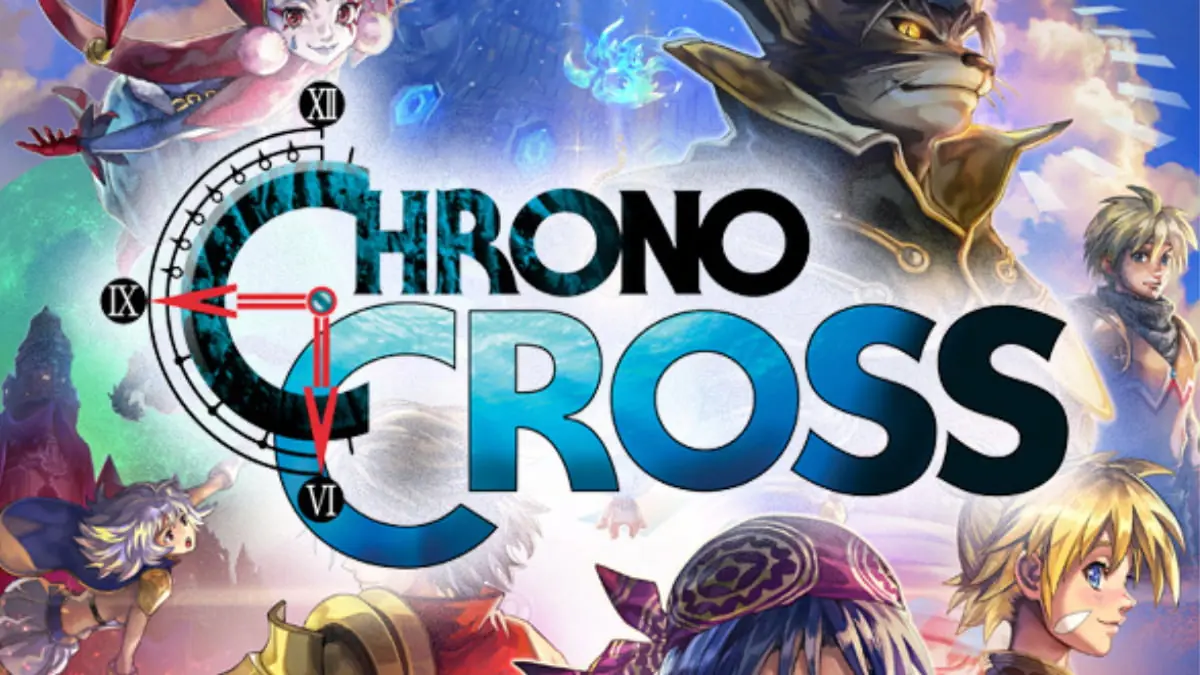
That opening violin still feels like a door swinging open to another world.
Composer: Yasunori Mitsuda
Where it plays: The opening movie
Why it sticks: A quiet beginning that suddenly breaks into motion
Chrono Cross opens with a melody that sounds ancient, distant, and somehow personal. The first minute gives you room to lean in. Then the percussion arrives, the strings start running, and the entire opening movie seems to wake up at once.
Mitsuda’s score is full of regional color, but Scars of Time works because it never feels like a pile of exotic instruments. Each sound supports the sensation of crossing between places that are connected and slightly wrong. The official Chrono Cross Music Box and Revival Disc material uses the full title Chrono Cross -Scars of Time-.
I rarely skipped this opening. Even when I only had a short time to play, I let it run. It felt less like waiting for the game and more like part of the ritual of starting it.
3. Castlevania: Symphony of the Night – Dracula’s Castle
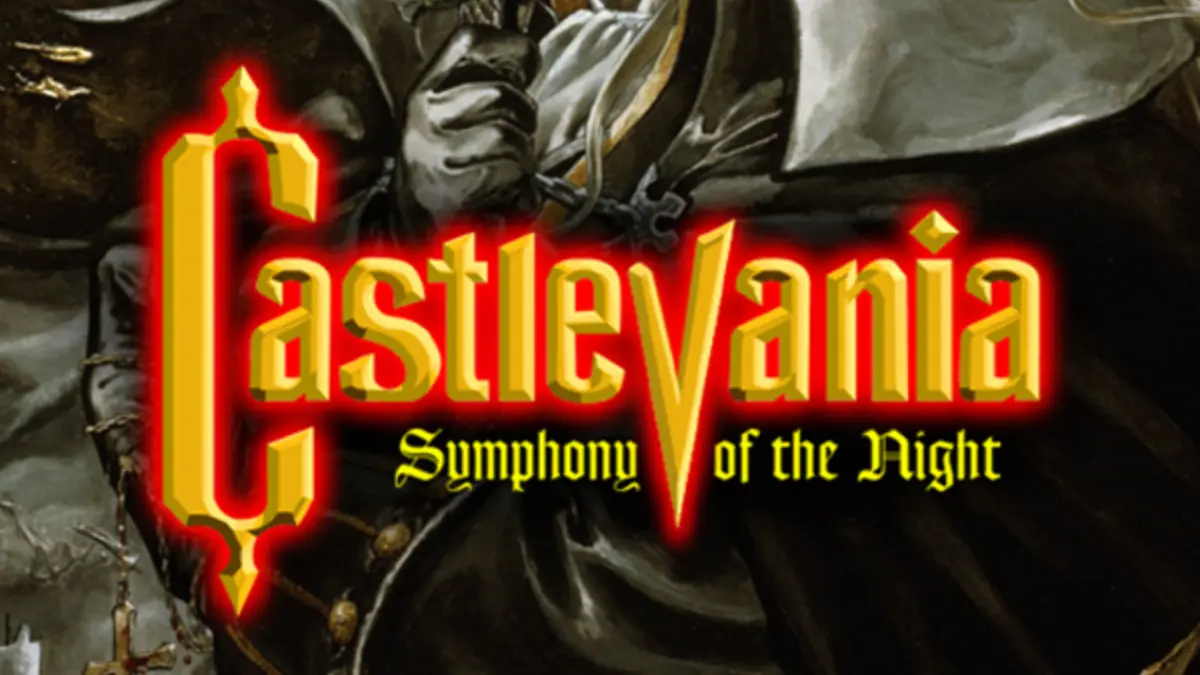
The castle entrance needed confidence, and Michiru Yamane gave it an electric guitar.
Composer: Michiru Yamane
Where it plays: Early exploration inside Dracula’s castle
Why it sticks: Gothic drama colliding with a fearless lead guitar
Dracula’s Castle gives you elegance, menace, and electric guitar before you have had time to learn the map. It makes Alucard’s first steps feel ceremonial. Every hallway suddenly belongs to a place with history, even if that history mostly involves monsters waiting behind doors.
Yamane’s soundtrack moves freely between classical influence, rock, jazz, and ambient horror. This track is the clearest statement of that freedom. The melody is ornate enough for a cursed palace, while the rhythm keeps pushing you forward rather than asking you to stand around admiring the wallpaper.
I still associate it with the feeling that the castle could continue forever. The rooms were connected, the music was confident, and I had no idea how much of the map was waiting above, below, and eventually upside down.
4. Metal Gear Solid – Main Theme

A heroic theme for a game that made crawling under one security camera feel cinematic.
Composer: TAPPY, also credited as Tappi Iwase
Where it appears: The series theme is heard through the game’s presentation and later arrangements
Why it sticks: Suspense that opens into pure spy-movie heroism
The Metal Gear Solid main theme makes Snake sound more confident than I ever felt controlling him. I could be pressed against the wrong wall with a guard five seconds away from spotting me, and the music still suggested I was the calm professional in the room.
The original soundtrack credits the main theme to TAPPY, while the wider in-game score was created by members of Konami’s sound team. Later arrangements turned the melody into an even larger cinematic signature. That makes the PS1 version feel like the point where the series discovered the sound it wanted to carry forward.
The theme later became the subject of a public similarity controversy involving music by Russian composer Georgy Sviridov. Konami stopped using it, but there was no public court ruling establishing plagiarism. That messy history should not erase the simple memory: this was the music that made Shadow Moses feel like our own interactive thriller.
5. Silent Hill – Main Theme
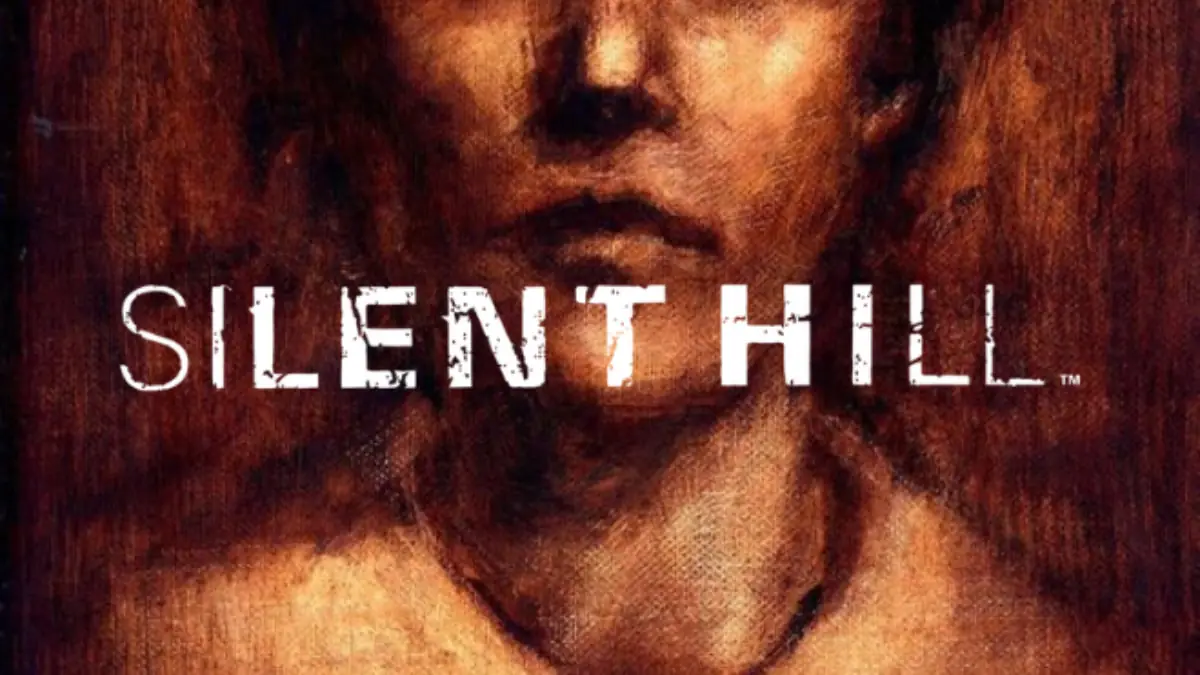
Silent Hill sounded damaged before the first monster ever appeared.
Composer: Akira Yamaoka
Where it plays: The opening sequence
Why it sticks: Industrial noise, a lonely mandolin, and a melody that feels familiar for the wrong reason
Silent Hill’s main theme is unsettling because it is strangely beautiful. The rough mechanical percussion sounds like machinery scraping against itself, then the mandolin introduces a melody that could almost be comforting. The guitar arrives and makes the entire thing feel like a memory you cannot place.
Yamaoka did not treat horror as a nonstop wall of scary sounds. He gave the game melancholy, silence, and moments where the music seems more wounded than threatening. That emotional uncertainty is a better match for Silent Hill than a conventional monster theme would have been.
The opening prepared me for a place where nothing would be explained cleanly. I had not even reached the fog, and the soundtrack had already made normal life feel far away.
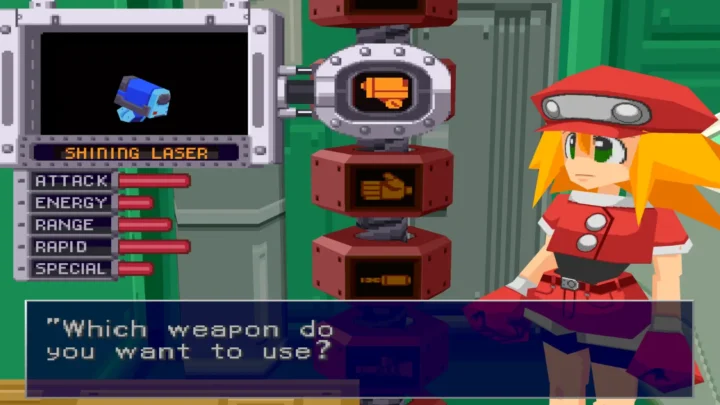
6. Mega Man Legends – The Music of Kattelox Island
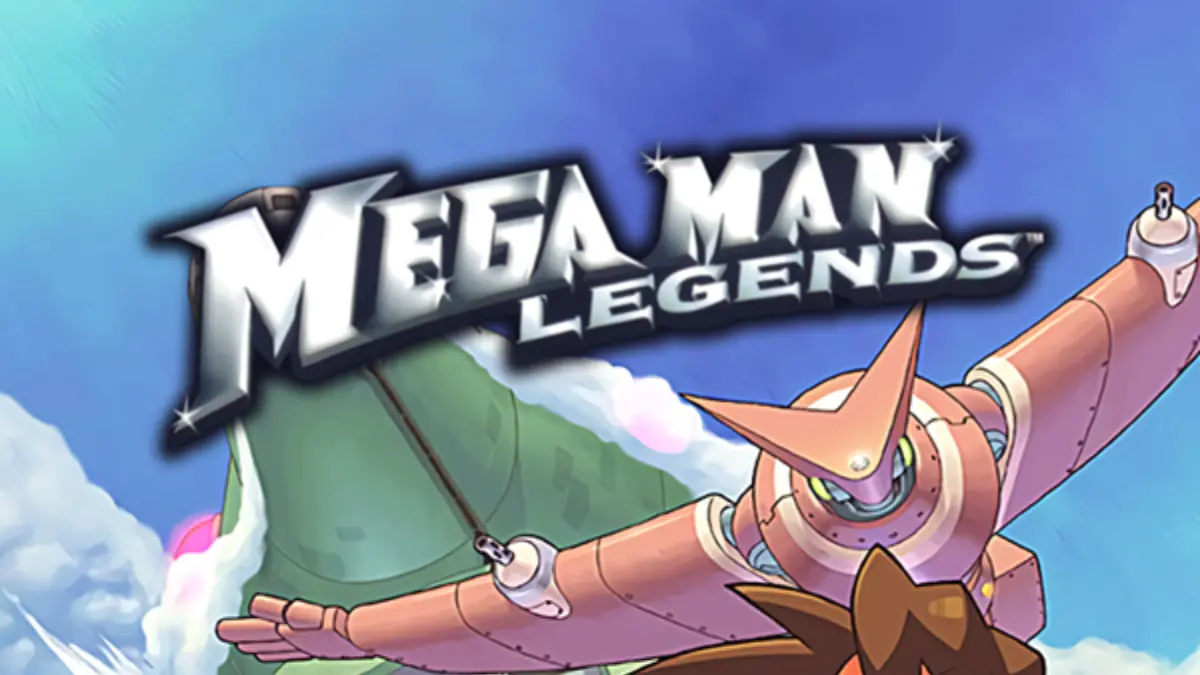
Kattelox needed several themes because it felt less like a level and more like a home.
Music team: Makoto Tomozawa, Setsuo Yamamoto, and Toshio Kajino
Where it plays: Around Kattelox Island, including its markets, streets, and surrounding areas
Why it sticks: Warm town music that makes returning from the ruins feel safe
I used to call this the Kattelox theme, but there is not one single official track covering the entire island. Mega Man Legends uses several pieces, including music tied to arriving on Kattelox, Apple Market, Downtown, and other areas. Together they create the feeling I remember.
After spending time underground with Reaverbots and limited resources, returning to the surface feels like breathing again. The brighter melodies tell you that the island is still there. Shops are open, people need help, and the Bonnes are probably about to destroy something expensive.
The soundtrack helps Kattelox feel like a real community rather than a menu between dungeons. That sense of place is one reason I still believe Mega Man Legends deserved more. I miss the people, the ruins, and the music that made coming back to town feel like coming home.
7. Spyro the Dragon – Artisans
Artisans made running in circles and collecting gems feel like a perfectly reasonable afternoon.
Composer: Stewart Copeland
Where it plays: The Artisans homeworld
Why it sticks: Springy percussion and melodies that seem to move with Spyro
Artisans is bright without becoming disposable. The percussion has Copeland’s unmistakable bounce, and the melody gives every hill and stone archway a little momentum. I could spend ages chasing gems, charging sheep, and taking completely unnecessary laps around the hub.
Copeland has explained that he played the levels while writing, paying attention to the world’s movement and atmosphere. In his interview about composing for Spyro, he described receiving playable levels and building music around their personality. That helps explain why the tracks feel attached to the spaces rather than laid over them afterward.
Artisans is the sound of the game still being new. The worlds ahead could be stranger and more difficult, but the first homeworld was always there when I wanted to run around somewhere cheerful.
8. PaRappa the Rapper – Chop Chop Master Onion’s Rap
Kick, punch, and a permanent place in the memory of anyone who tried to keep the beat.
Music: Masaya Matsuura
Performance: Ryu Watabe as Chop Chop Master Onion, with Dred Foxx as PaRappa
Why it sticks: Call-and-response instructions repeated until they became instinct
The first lesson in PaRappa the Rapper is commonly remembered as Kick, Punch, but the soundtrack title is Chop Chop Master Onion’s Rap. That title correction changes nothing about the important part. If you played it, the opening commands are probably already running in your head.
The song teaches the game while becoming the game. You listen, repeat the pattern, watch the rating, and try not to fall apart when the timing feels less forgiving than the cheerful animation suggests. Failure only makes the lines more memorable because you hear them again immediately.
PaRappa gave rhythm games a voice and visual identity that felt completely different from anything else on the console. A whole generation learned to trust the beat from an onion in a karate uniform. There are worse teachers.
9. Gran Turismo – Moon Over the Castle
In Japan, Gran Turismo opened with enough guitar to make buying a used hatchback feel heroic.
Composer: Masahiro Andoh
Where it plays: The Japanese opening movie
Why it sticks: Cinematic build-up followed by unapologetic racing guitar
Moon Over the Castle became the musical signature of Gran Turismo, but there is an important regional detail. It opened the Japanese version of the original game. Western releases used different opening music, so some players did not meet the song until a later game, soundtrack, or trip through the series online.
Once you hear it, the connection makes sense. The track treats cars with total sincerity. It begins like a dramatic introduction and then lets the guitar take over, turning a racing game into something closer to a personal declaration.
Polyphony Digital still identifies it as the series theme. An official Gran Turismo soundtrack announcement credits the GT5 Prologue version to Masahiro Andoh. The arrangements change, but the melody keeps returning because it sounds like Gran Turismo believing completely in itself.
10. Final Fantasy VIII – Liberi Fatali
Final Fantasy VIII announced itself with a choir, a duel, and no interest in being modest.
Composer: Nobuo Uematsu
Arrangement: Shiro Hamaguchi
Why it sticks: Choir and orchestra turning an opening movie into a statement of scale
Liberi Fatali accompanies an opening that seemed impossible on a home console in 1999. Squall and Seifer duel, feathers cross the screen, words flash by, and the choir makes every image feel like part of a destiny nobody understands yet.
Uematsu composed the piece and Shiro Hamaguchi arranged it for orchestra and choir. Unlike the sampled vocal approach of the original One-Winged Angel, Liberi Fatali was recorded with live performers. Square Enix has continued to feature the piece in its official discussion of Final Fantasy VIII music.
The most impressive part is how large the song feels before we understand the people or conflict on screen. It gives the images weight immediately. The PS1 era was already proving that game music could carry a story far beyond the console’s technical limits.
Frequently Asked Questions
Why is PS1 music so memorable?
Strong melodies, repeated exposure, and the emotional context of the games all helped. Players often spent a long time in the same areas, so town, battle, and puzzle themes became attached to personal memories as well as on-screen events.
Did PS1 games use live instruments?
Some did, but there was no single method. PS1 soundtracks could use sequenced samples, streamed recorded audio, live musicians, synthesized voices, or a mixture. Liberi Fatali used live orchestra and choir, while many other pieces relied heavily on samples and sequencing.
Is Moon Over the Castle in every version of the original Gran Turismo?
No. It was the opening theme for the Japanese release. The North American and European versions used different opening music, although Moon Over the Castle later became the recurring theme most closely associated with the series.
Which great PS1 songs missed the list?
Plenty. Wild Arms, Legend of Mana, Suikoden II, Xenogears, Ridge Racer Type 4, Tony Hawk’s Pro Skater, and dozens of others could support another list. Ten tracks barely open the case. If you want more games from the same era, try my list of PS1 hidden gems worth playing.
Which PS1 Song Still Brings You Back?
PS1 music did more than fill the quiet between dialogue and sound effects. These songs made castles feel ancient, towns feel safe, and final battles feel bigger than anything that had come before them.
My list will never match yours exactly, and that is the good part. The track that brings you back might be a famous opening, a battle theme everyone knows, or a tiny shop loop you heard for thirty hours because you could not decide what to buy.
My final pick: Scars of Time is the song I would keep if I could only choose one. That opening violin still makes the years between then and now disappear. Tell me which PS1 track does that for you.