The best modern games that feel like retro classics understand that nostalgia comes from design, not just pixels. Signalis, Crow Country, Pseudoregalia, Lunacid, and the other games on this list use compact worlds, deliberate friction, limited guidance, or arcade-style mastery to recreate what made older games memorable.
The PS1 era was shaped by technical limits. Fixed cameras forced careful framing, low-poly models needed strong silhouettes, and smaller worlds made every room matter. Modern developers no longer have to work within those restrictions, but some choose them because they create stronger identities.
These ten games do more than imitate old graphics. Each one carries an older design philosophy into the way it moves, communicates, or challenges you. If you would rather return to the original hardware first, my guide to playing PS1 games in 2026 covers the easiest modern setups.
Last checked: August 19, 2026. This list focuses on the design connection between each modern game and the older titles it evokes. Availability and supported platforms can change.
Disclosure: This article may contain affiliate links. If you purchase through one of them, I may earn a small commission at no extra cost to you.
Table of Contents
Quick Comparison: Modern Games That Feel Retro
| Game | Retro DNA | Closest Older Match | Best For |
|---|---|---|---|
| Signalis | Fixed cameras, limited inventory, cryptic storytelling | Resident Evil, Silent Hill, Echo Night | Survival-horror fans |
| Crow Country | Compact map, puzzles, deliberate movement | Resident Evil, Parasite Eve | Players who enjoy exploration and puzzles |
| Pseudoregalia | Low-poly platforming and movement discovery | Castlevania 64, Super Mario 64 | Movement-focused platformer fans |
| Lunacid | First-person dungeons and cryptic progression | King’s Field | Slow-burn exploration |
| Dread Delusion | Stylized open world and minimal hand-holding | King’s Field, Morrowind | Strange worlds and player-led discovery |
| Corn Kidz 64 | Chunky collectathon platforming | Croc, Banjo-Kazooie | Bright 3D platformers |
| Turbo Overkill | Speed, scoring, and mechanical mastery | Quake, Disruptor | Fast arcade shooters |
| Alisa | Tank controls and fixed-camera horror | Resident Evil, Clock Tower | Players who want authentic friction |
| A Short Hike | Compact world and curiosity-first exploration | Spyro, Tomba! | Relaxed exploration |
| Ultrakill | High-speed combat and skill rankings | Quake | Players who enjoy mastery and replayability |
How I chose these games: A retro appearance was not enough. Each title had to use at least one older design value, such as deliberate framing, compact spaces, limited guidance, arcade scoring, or productive friction. I gave priority to games where the influence changes how you play.
1. Signalis
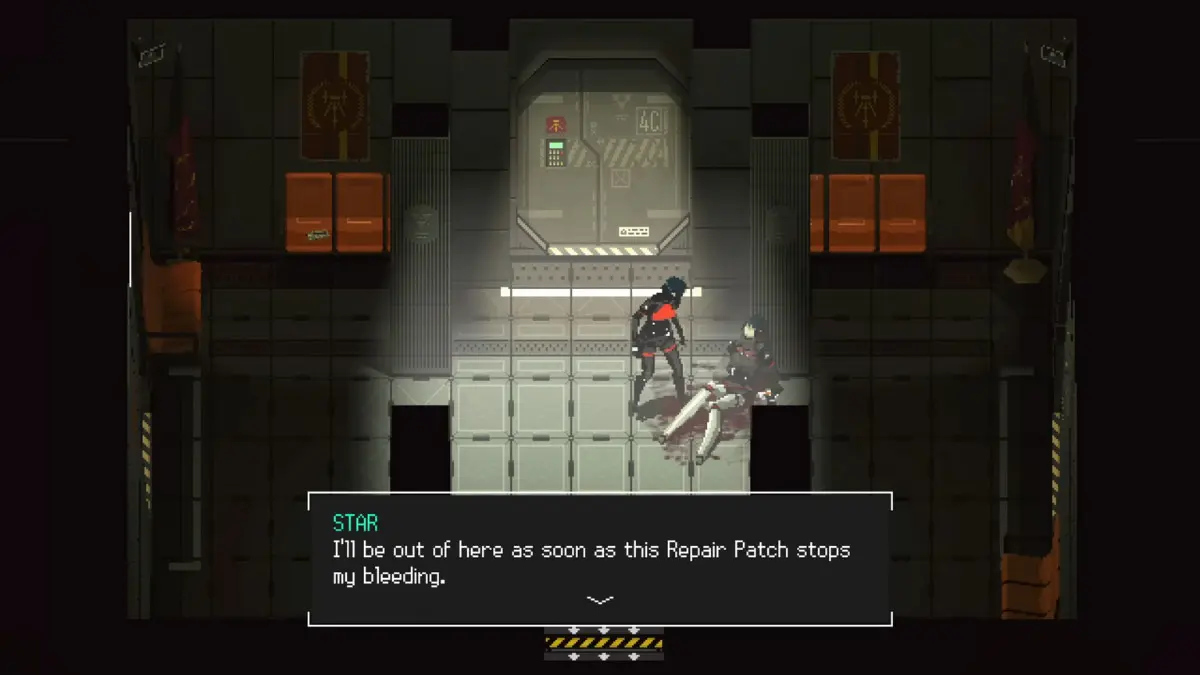
Signalis builds tension through limited information and uncomfortable inventory decisions.
- Fixed and semi-fixed camera perspectives
- Strict inventory limits
- Low-poly character models with a CRT-style presentation
- Atmosphere that matters more than spectacle
Feels like: Resident Evil, Silent Hill, and Echo Night
Signalis understands that fear comes from uncertainty. Limited inventory space forces uncomfortable decisions, while carefully framed rooms control what you can see. The result carries the same quiet tension that made PS1 survival horror work.
Its story arrives through visual motifs, cryptic notes, and fragmented memories. The game trusts you to connect those pieces yourself, which feels almost rebellious in an age of over-explained plots. If you want a physical copy, Signalis is available here.
2. Crow Country
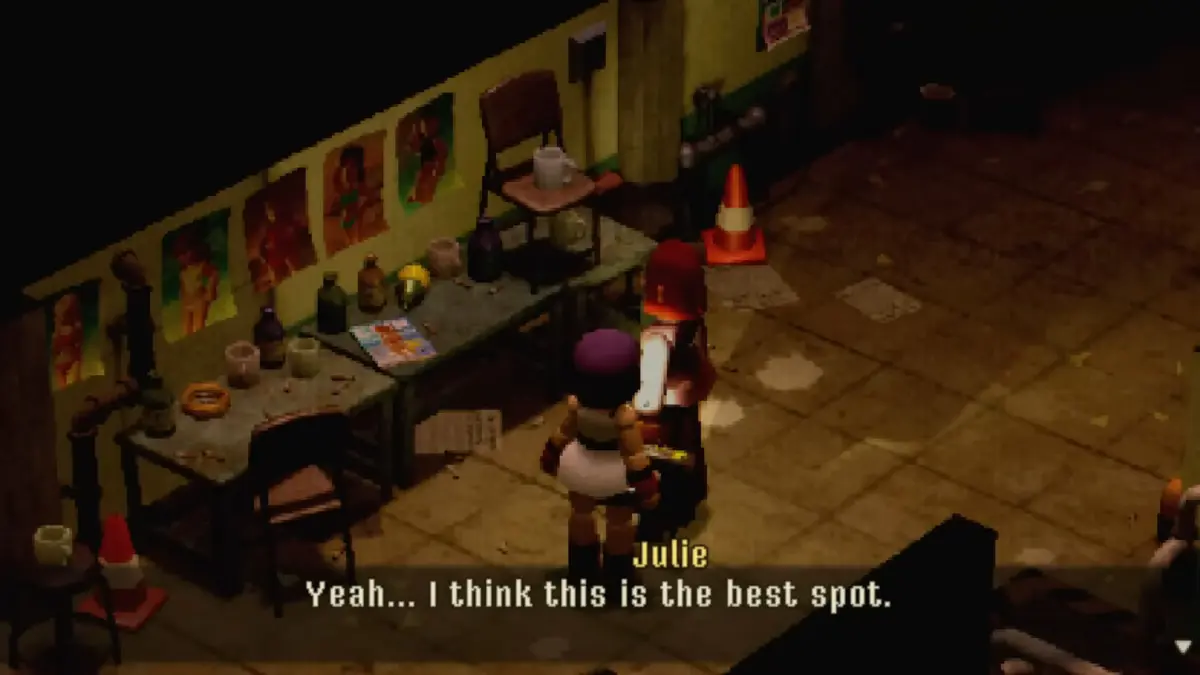
Crow Country turns each room into a compact survival-horror puzzle.
- Deliberately blocky characters and environments
- Carefully controlled camera angles
- Slow, cautious movement
- Puzzle-forward progression
Feels like: Resident Evil and Parasite Eve
Crow Country resists the urge to make horror louder. Narrow corridors, blind corners, and strangely quiet rooms create tension before anything actually attacks you. The map is small enough to learn, but dense enough to keep revealing new connections.
That friction makes exploration feel risky again. You remember where doors, puzzles, and suspicious objects are located because the game expects you to pay attention. Early survival horror turned its locations into characters, and Crow Country understands why that mattered.
3. Pseudoregalia
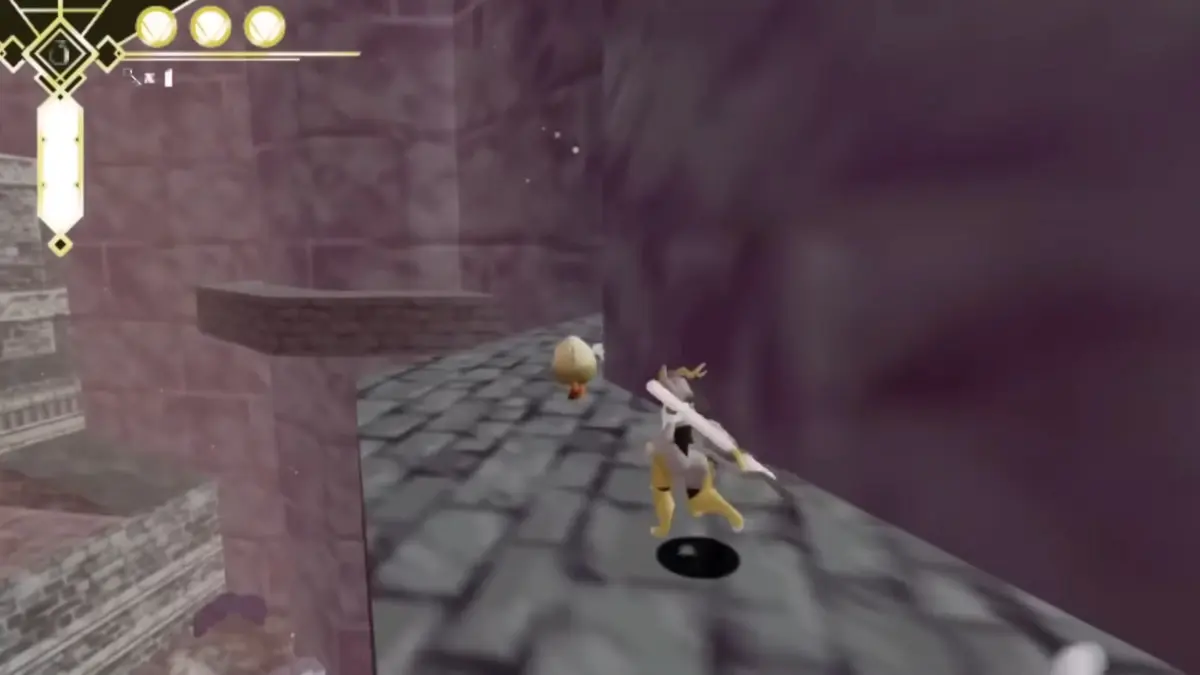
Pseudoregalia makes movement itself the reward.
- Expressive movement with room for experimentation
- Compact low-poly environments
- Minimal interface and guidance
- Exploration-driven progression
Feels like: Castlevania: Legacy of Darkness and Super Mario 64
Pseudoregalia understands the joy of learning how a character moves. Every dash, jump, and wall interaction opens another possibility. Reaching a high ledge feels satisfying because you solved it with movement rather than following a quest marker.
The world rarely tells you where to go. Its shapes, gaps, and visible landmarks become the instructions, recreating the curiosity that powered the best early 3D platformers. I got lost occasionally, but figuring the space out was the game.
4. Lunacid
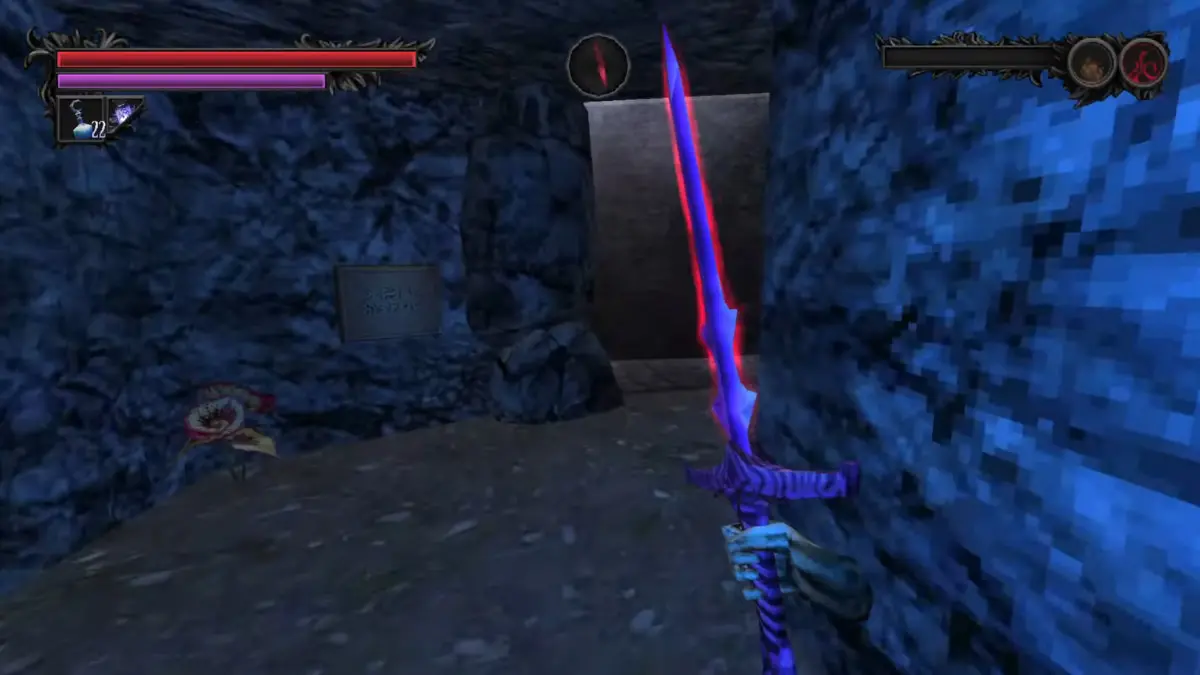
Lunacid recreates the lonely mystery of an early 3D dungeon crawler.
- First-person dungeon crawling
- Low-poly environments
- Cryptic progression systems
- Slow, dreamlike pacing
Feels like: King’s Field
Lunacid captures the slow, unsettling mystery of early 3D RPGs. The world does not rearrange itself around your convenience. You explore carefully, test ideas, and gradually understand rules that were never delivered through a tutorial window.
That patience gives discovery weight. A hidden route or newly understood mechanic feels earned because the game allowed you to be confused first. The atmosphere carries long stretches of exploration, and the quiet makes every unusual room feel important.
5. Dread Delusion
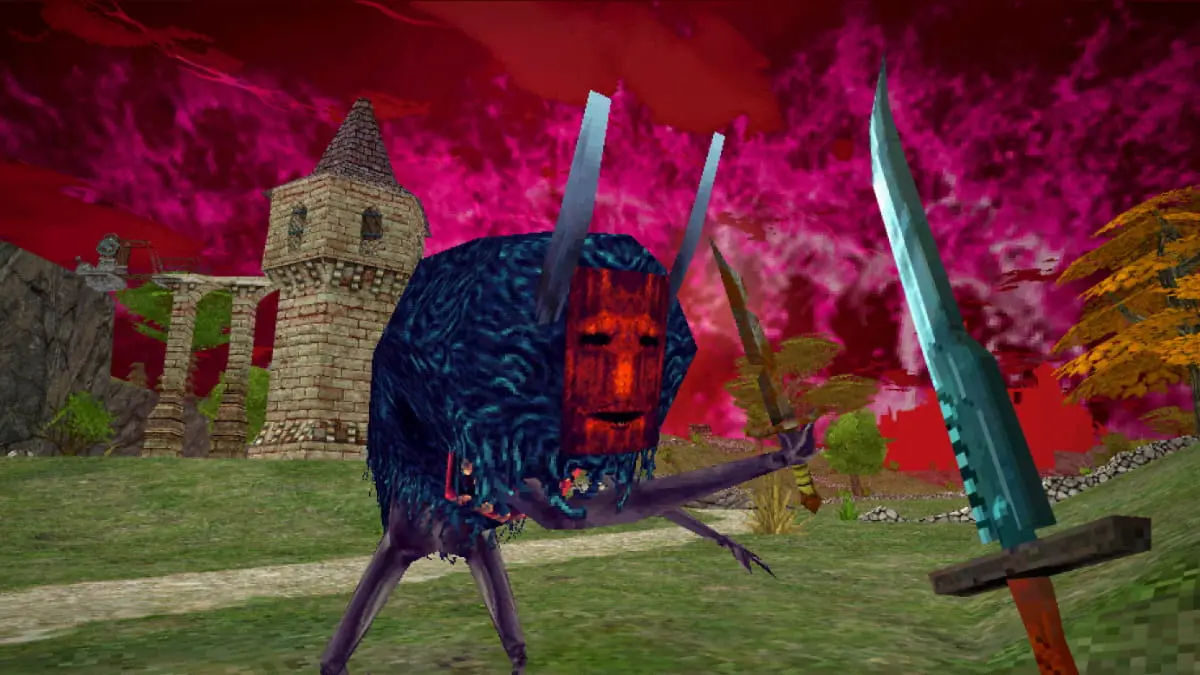
Dread Delusion chooses strange color and shape over realism.
- Low-poly open-world environments
- Early 3D RPG aesthetics
- Exploration-first structure
- Minimal quest hand-holding
Feels like: King’s Field and Morrowind
Dread Delusion embraces stylization when many modern RPGs chase realism. Its floating islands and bizarre cultures feel like ideas given physical form, the same way technical limitations once pushed developers toward exaggeration.
The game lets you wander, experiment, and occasionally become completely lost. That friction builds immersion because you are learning an unfamiliar world instead of clearing icons from a checklist. Its strongest moments happen when a strange place finally begins to make sense.
6. Corn Kidz 64
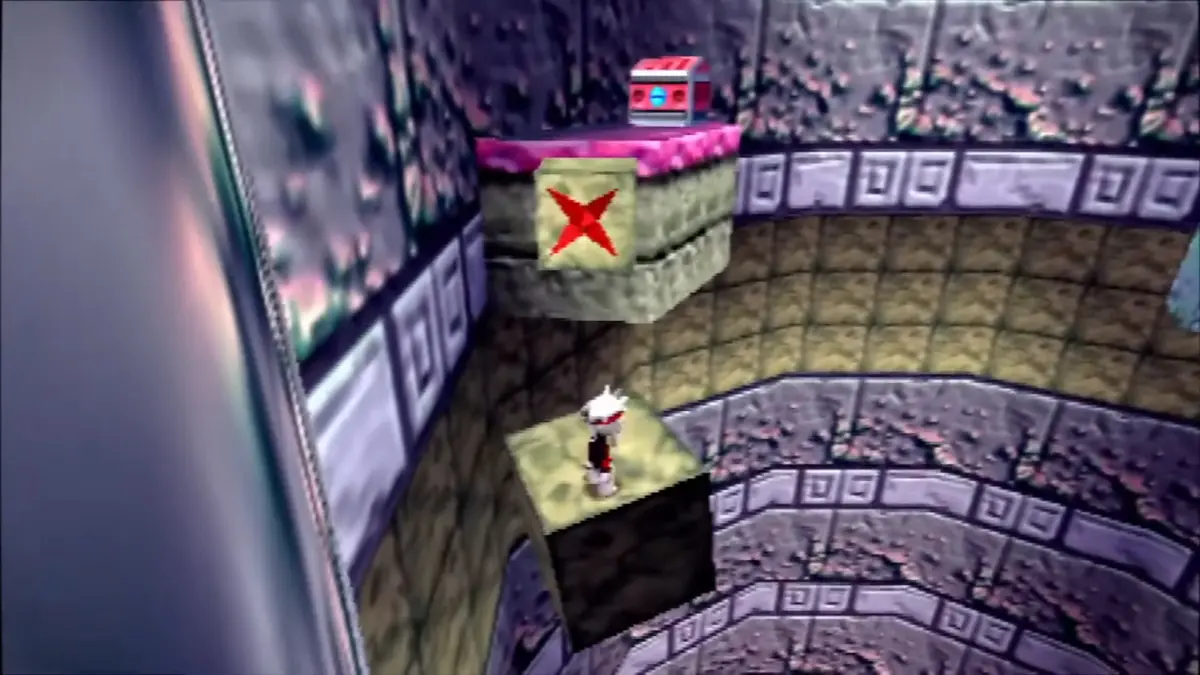
Corn Kidz 64 looks and moves like a lost collectathon.
- Chunky, readable character models
- Collectathon level design
- Bright environments with clear landmarks
- Compact challenges built around movement
Feels like: Croc: Legend of the Gobbos and Banjo-Kazooie
Corn Kidz 64 delivers playful spaces that respect the player’s time. The challenges are focused enough that you can understand what a room wants from you, then spend your attention learning the movement needed to complete it.
Its charm comes from committing to the visual language of an older collectathon without copying one specific game. Corn Kidz feels like something I could have rented for a weekend and become strangely attached to before Monday.
7. Turbo Overkill
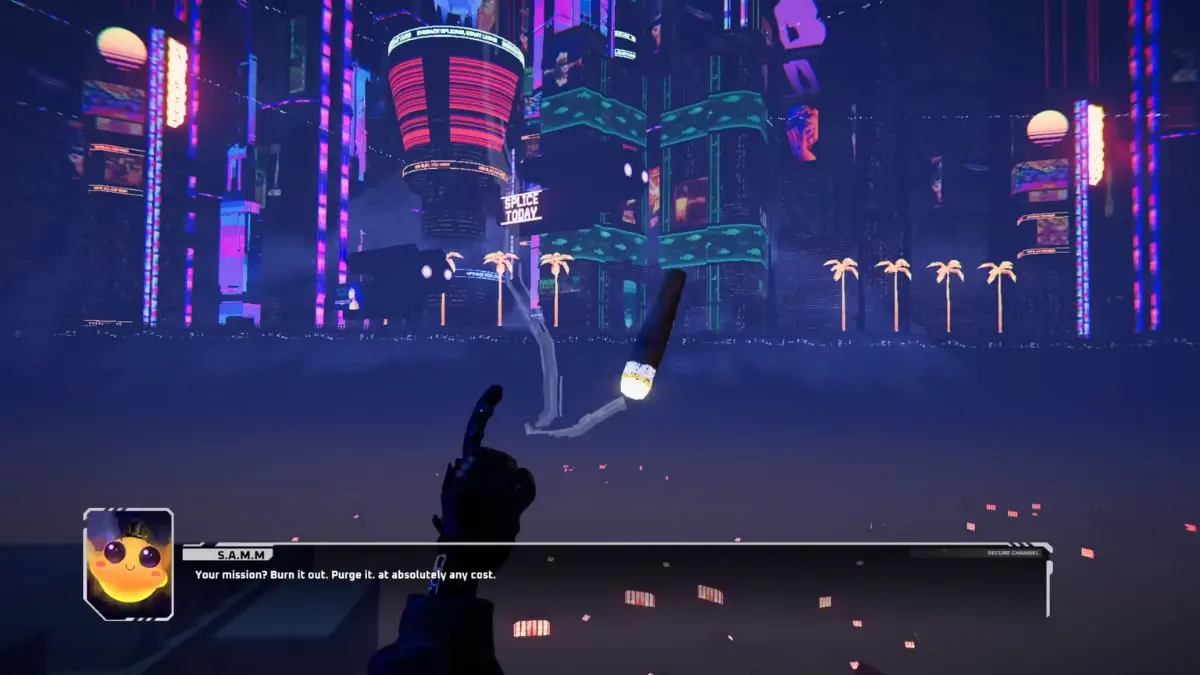
Turbo Overkill brings late-1990s shooter speed into a modern combat sandbox.
- Fast, arcade-style combat
- Simple geometry that keeps encounters readable
- Score-driven battles
- Gameplay-first progression
Feels like: Quake and Disruptor
Turbo Overkill channels the raw energy of late-1990s shooters, where momentum and reflexes mattered more than realism. Movement is aggressive, weapons are excessive, and improvement comes from learning how those systems work together.
The score systems make replayability feel earned through better execution instead of another bar slowly filling. It is chaotic, loud, and much faster than a PS1 shooter could have been, but the priorities feel familiar.
8. Alisa

Alisa commits to fixed cameras, tank controls, and deliberate combat.
- Tank controls
- Fixed camera angles
- Low-resolution textures
- Puzzle-heavy survival-horror design
Feels like: Resident Evil and Clock Tower
Alisa commits to the parts of classic survival horror that modern games usually smooth away. The controls are stiff, movement is limited, and combat asks you to plan before pulling the trigger.
That friction recreates the vulnerability that made early horror memorable. It can be uncomfortable, but the discomfort gives every room and enemy more weight. Alisa feels less like a tribute and more like a game recovered from an alternate version of the PS1 library.
9. A Short Hike
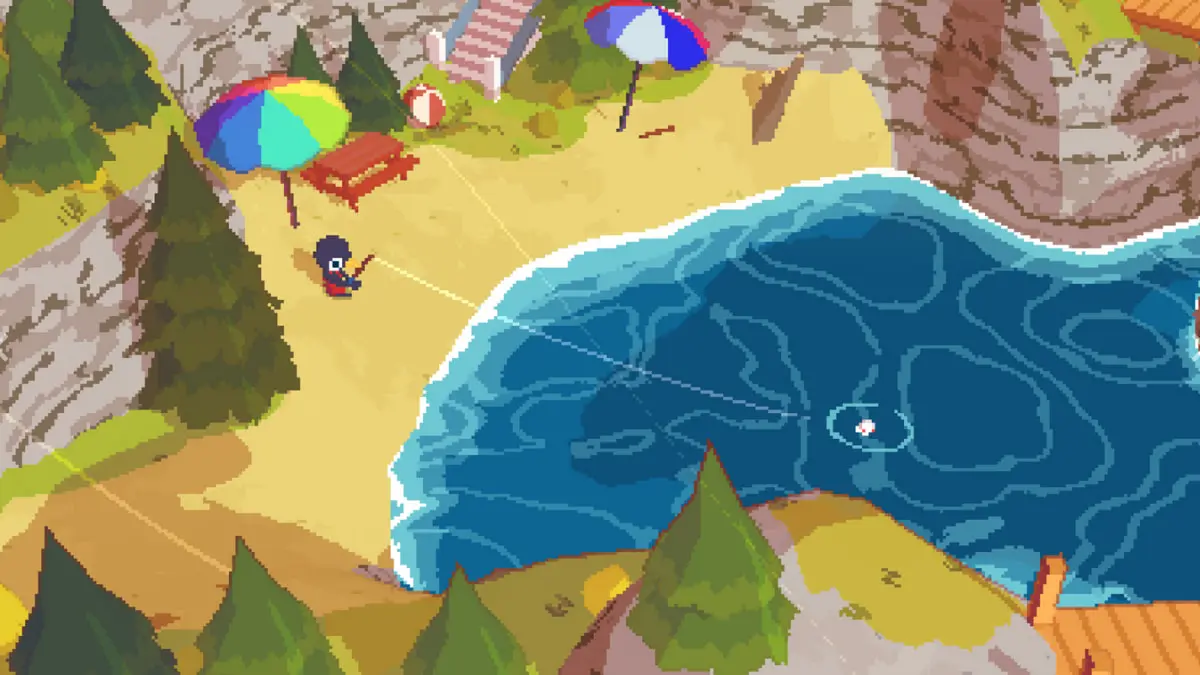
A Short Hike captures the freedom of exploring a small world for the pleasure of it.
- A compact 3D world
- Simple mechanics that combine naturally
- Exploration-first pacing
- No-pressure objectives
Feels like: Spyro the Dragon and Tomba!
Early 3D games often felt like places you could simply exist in, and A Short Hike captures that feeling without copying their rougher edges. You can climb, glide, fish, talk, or wander toward anything that looks interesting.
The island is small enough to become familiar, which makes each shortcut and landmark feel personal. It reminds me of exploring a Spyro hub after the main objective was already finished because leaving still felt unnecessary.
10. Ultrakill
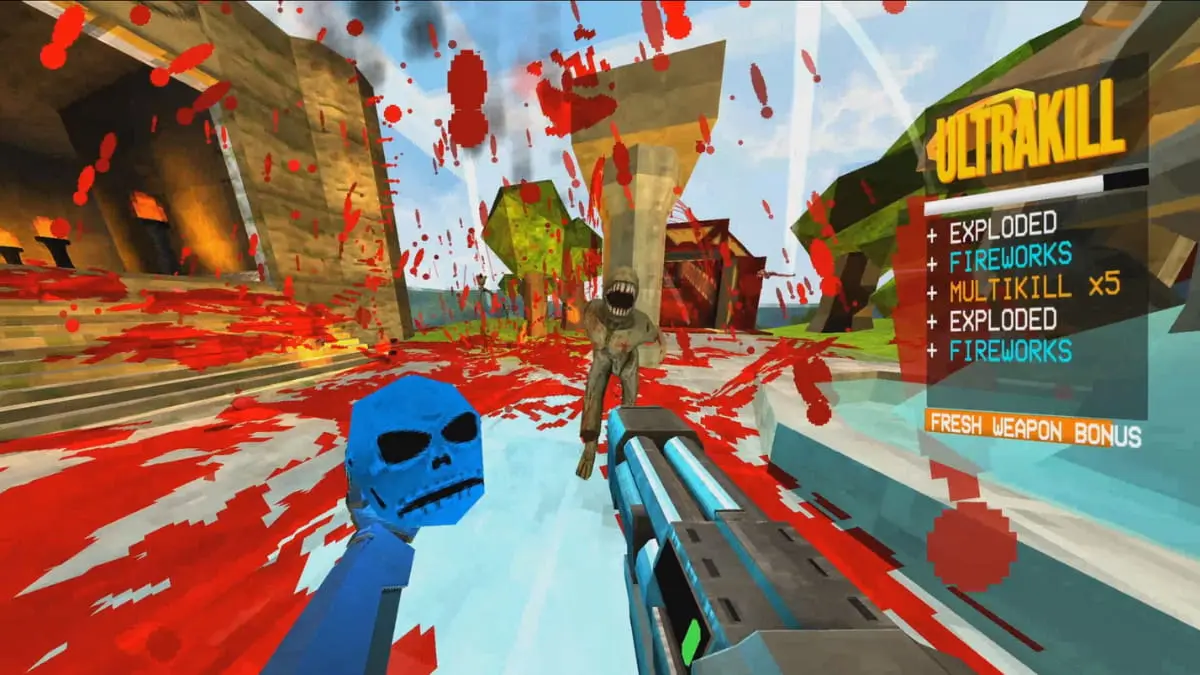
Ultrakill treats mastery, speed, and scoring as the entire point.
- Old-school FPS priorities
- A minimal interface
- Skill-based rankings
- High-speed movement
Feels like: Quake
Ultrakill strips shooters down to movement, aim, and mastery. Cinematic interruptions are rare, and every system exists to create another combat possibility. The game tells you how well you played, then gives you enough depth to do better.
That purity feels retro even when the speed is unmistakably modern. Replayability comes from your relationship with the mechanics, not a checklist waiting to be completed.
Frequently Asked Questions
What makes a modern game feel retro?
A convincing retro-inspired game carries older design values into the way it plays. Compact levels, deliberate camera work, limited guidance, mechanical friction, scoring systems, and strong silhouettes matter more than simply lowering the resolution.
Which modern retro game should I play first?
Start with Signalis for survival horror, Pseudoregalia for 3D platforming, Lunacid for slow exploration, or A Short Hike for something relaxed. Crow Country is the safest recommendation if you want a compact game that blends puzzles, atmosphere, and recognizable PS1-era design.
Do all retro-inspired games use PS1-style graphics?
No. Several games on this list use deliberately low-poly visuals, but A Short Hike feels retro through its compact world and curiosity-first structure. Turbo Overkill and Ultrakill inherit the speed and mechanical focus of older shooters without trying to look exactly like a PlayStation game.
Why Modern Games That Feel Like Retro Still Matter
What I love most about these games is that they prove retro is not just a visual filter. Fixed cameras can control tension, low-poly models can produce stronger silhouettes, and smaller worlds can make every hallway or shortcut matter.
These modern games feel retro because they are focused. Signalis and Crow Country use friction to create fear. Pseudoregalia makes movement worth learning. Lunacid and Dread Delusion allow mystery to survive. Turbo Overkill and Ultrakill trust their mechanics to carry the experience.
The PS1 era was not perfect, but it was bold. If you miss getting lost, experimenting, and slowly understanding a world that does not care whether you are ready, these games work like a time machine. That same feeling is why getting stuck on the PS1 felt like a rite of passage, and why so many of those old gaming memories return years later.