I remembered Rugrats: Search for Reptar as a perfect little PS1 time capsule. This Rugrats Search for Reptar review came from replaying every main mission in 2026, and the result is messier than the memory. The Pickles house still feels wonderful. The camera feels like it was raised by Angelica.
The game has aged in two completely different directions. Its voices, episode-inspired missions, and oversized household spaces still capture what made Rugrats special. Its stiff movement and unreliable camera can turn a trip across the nursery into an event.
How I reviewed it: I completed the game again in about three hours and revisited every main, bonus, and final mission. This is a personal replay review, not a summary assembled from other reviews.
Last checked: August 20, 2026. Search for Reptar is now officially available inside Rugrats: Retro Rewind Collection on PS5, Switch, and PC, with rewind, save-anywhere, and display filters.
Table of Contents
Rugrats Search for Reptar Review at a Glance
| Developer | n-Space |
|---|---|
| Publisher | THQ |
| Original release | November 23, 1998 in North America |
| Original platform | PlayStation |
| Current availability | Rugrats: Retro Rewind Collection on PS5, Switch, and PC |
| My playtime | About 3 hours |
| Best feature | The Pickles house hub and authentic show atmosphere |
| Biggest problem | Camera and imprecise 3D movement |
| Verdict | Worth revisiting for Rugrats nostalgia; difficult to recommend without it |
Why This Game Exists
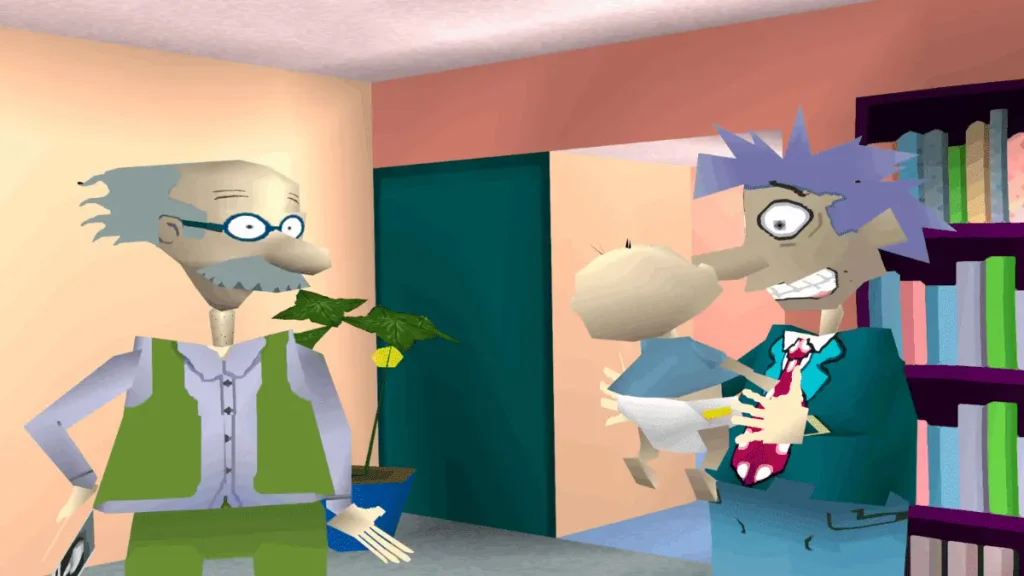
The late 1990s were peak Nickelodeon. Rugrats was everywhere, and THQ wanted a PlayStation game that younger players could understand without reading a miniature strategy guide first. n-Space built the adventure around short objectives, forgiving failure, and familiar stories from the show.
That audience explains a lot. The objectives are simple, the hub feels safe, and most missions end before their idea runs dry. The original cast returned, including E.G. Daily, Christine Cavanaugh, Cheryl Chase, and Kath Soucie. That authenticity does more work than the polygons. The voices convince your brain that this odd little 3D house belongs to the cartoon.
The Reptar Puzzle Premise
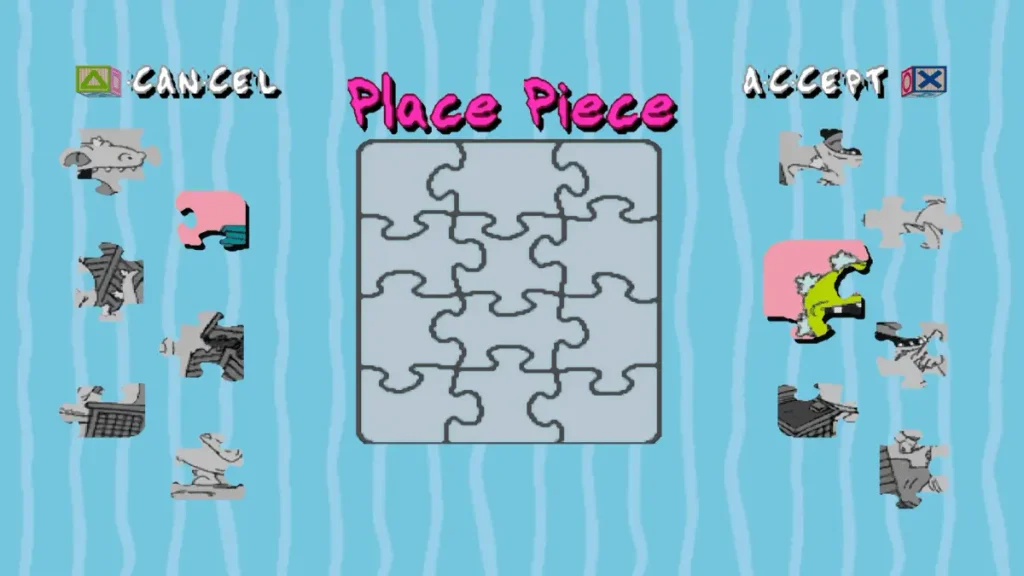
Tommy has lost almost every piece of his Reptar puzzle. His solution is to complete a string of adventures based on familiar episodes, recover the missing pieces, and unlock one last destructive Reptar fantasy.
It is a thin premise, but it gives the game a flexible structure. Missions begin when Tommy interacts with objects around the house. Easy missions are available first, while progress opens the medium and hard sets. Most can be played in a loose order, so the game feels like choosing episodes from a VHS shelf.
The Pickles House Is Still the Best Part
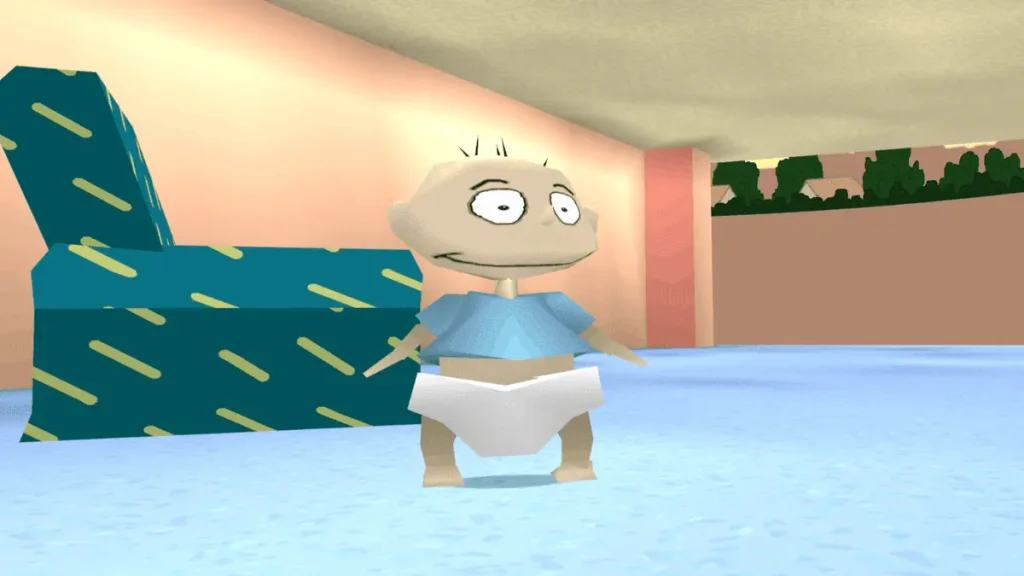
Walking into the Pickles home remains the game’s strongest trick. The living room, playpen, nursery, basement, and backyard all look enormous from Tommy’s height. Household objects become landmarks. A hallway can feel like a trek.
The hub quietly teaches the controls while letting you poke at props and find mission starters. It also preserves the strange comfort of early 3D spaces. I still enjoy wandering it for the same reason I enjoy revisiting old save files and half-remembered levels. That feeling is a large part of why old gaming memories can return so vividly.
How Search for Reptar Plays
Each mission uses a different little rule set. You race, search, throw objects, solve simple puzzles, navigate mazes, ride Spike, and occasionally end up in space because Rugrats never feared a sudden fever dream.
The variety keeps a short game moving. It also means no mechanic receives enough time to become polished. One mission may ask for rough platforming, the next for awkward aiming, and the next for a race through hallways where the camera has its own route planned.
Camera and Controls Are the Real Villains
- Movement is stiff. Direction changes feel chunky even with an analog stick.
- The camera gets trapped. Walls and narrow rooms can hide Tommy at exactly the wrong moment.
- Precision suffers. Jumping, throwing, and stacking boxes are harder to judge than their simple objectives suggest.
The modern Retro Rewind release softens the punishment by adding rewind and save-anywhere. Those tools help when a jump goes wrong, but they do not redesign the movement or make the camera smarter. If you want to play the original disc instead, my beginner’s guide to playing PS1 games in 2026 covers the practical options.
Collectibles and Side Activities
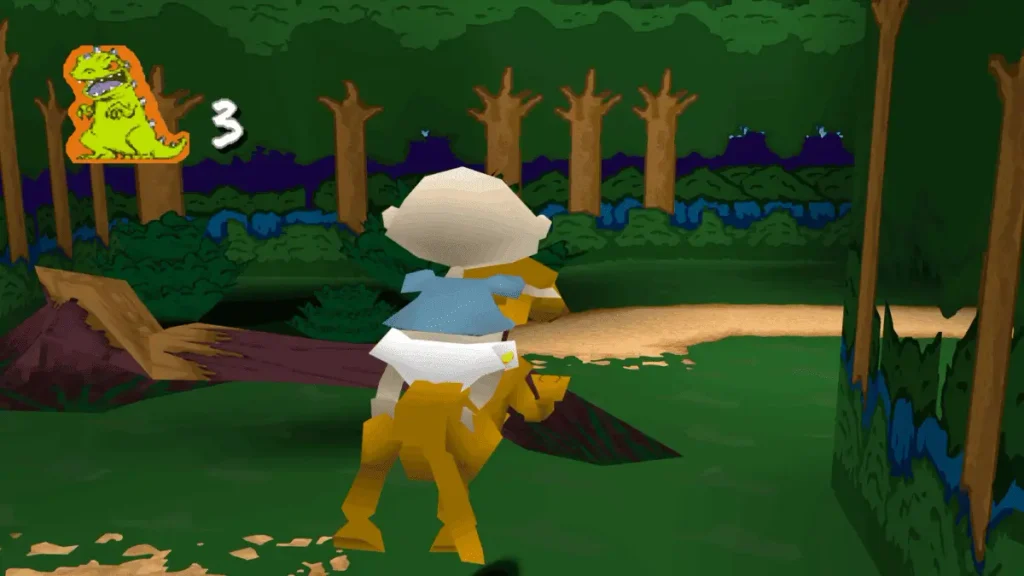
Reptar Bars reward exploration, while activities such as mini-golf provide distractions outside the main puzzle hunt. The extras are very 1998. The game feels comfortable being a pile of small modes held together by the license.
Worth knowing: The game is short even when you explore. My complete replay took about three hours, so completion is realistic in one nostalgic weekend.
Every Mission Reviewed
The level list exposes both sides of the game. The best missions translate an episode idea into a memorable place. The weakest take a basic task and make you repeat it while fighting the controls.
Easy Missions
Chuckie’s Glasses
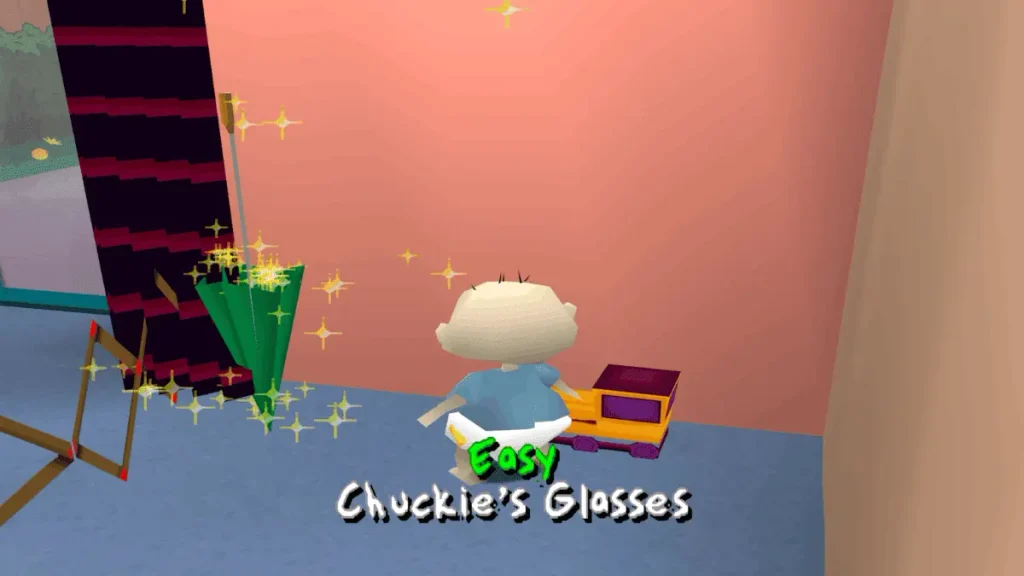
This is a good introduction to the house and the basic controls. You find the babies and race them back to the playpen. It is light, quick, and already shows how a bad camera angle can complicate an easy hallway.
The Mysterious Mr. Friend
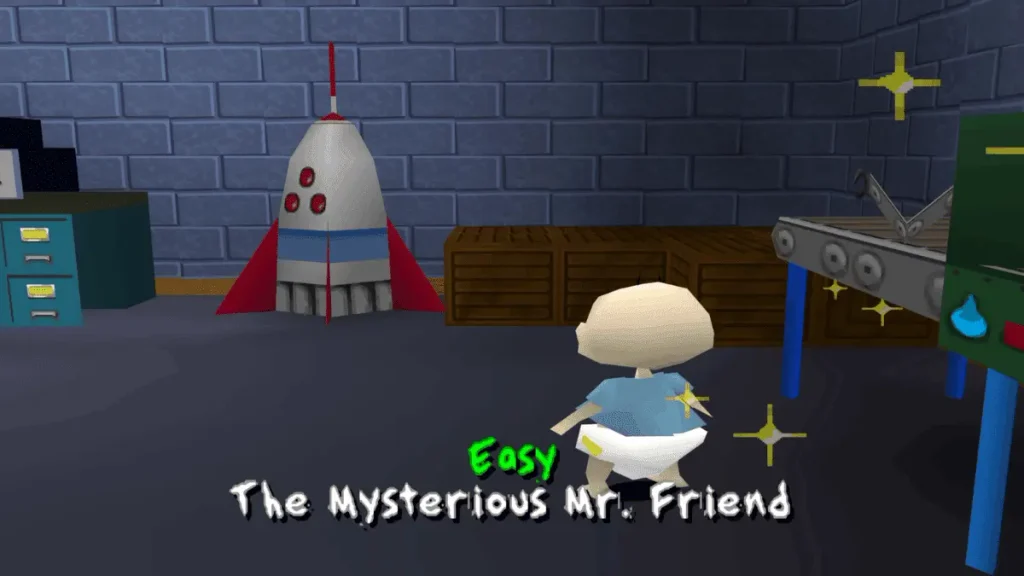
Tommy throws objects at hostile Mr. Friend toys before kicking and grabbing the survivors. The creepy concept is excellent. The combat is unreliable enough that I died more here than the “easy” label should allow.
The Cookie Race
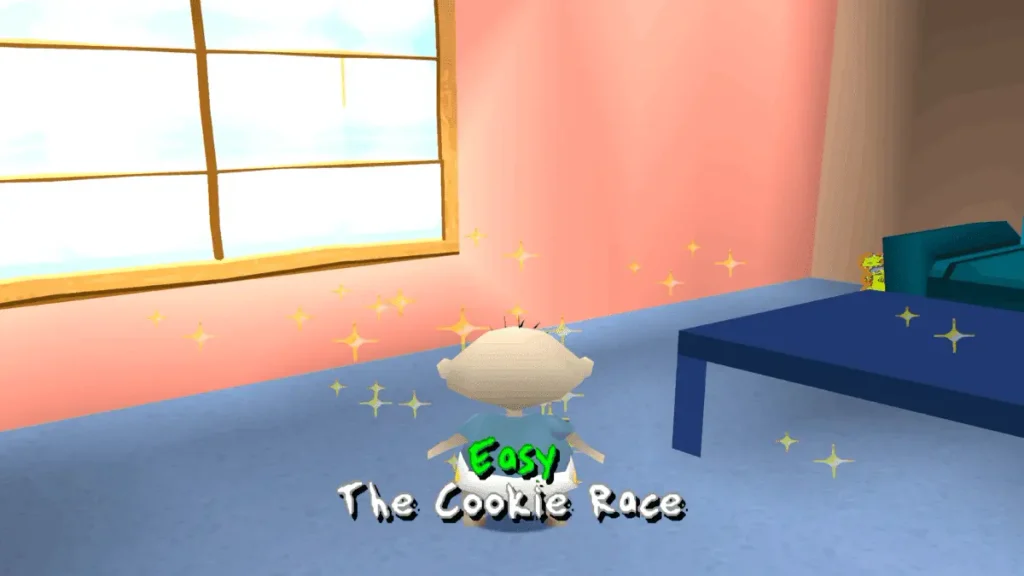
You race Angelica to the kitchen while avoiding simple obstacles. It is easy and feels like filler, but it ends before the idea becomes annoying.
Medium Missions
Grandpa’s Teeth
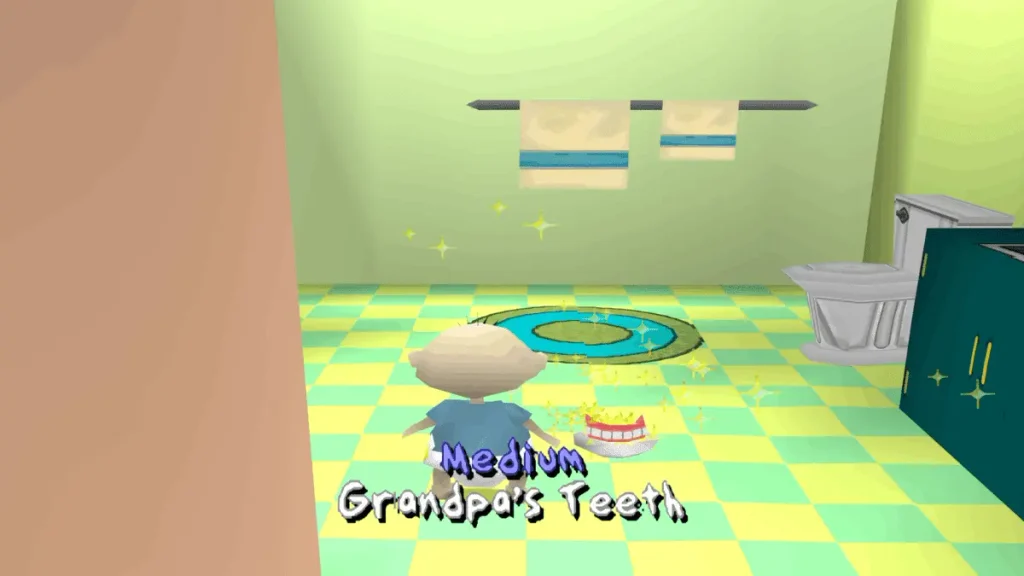
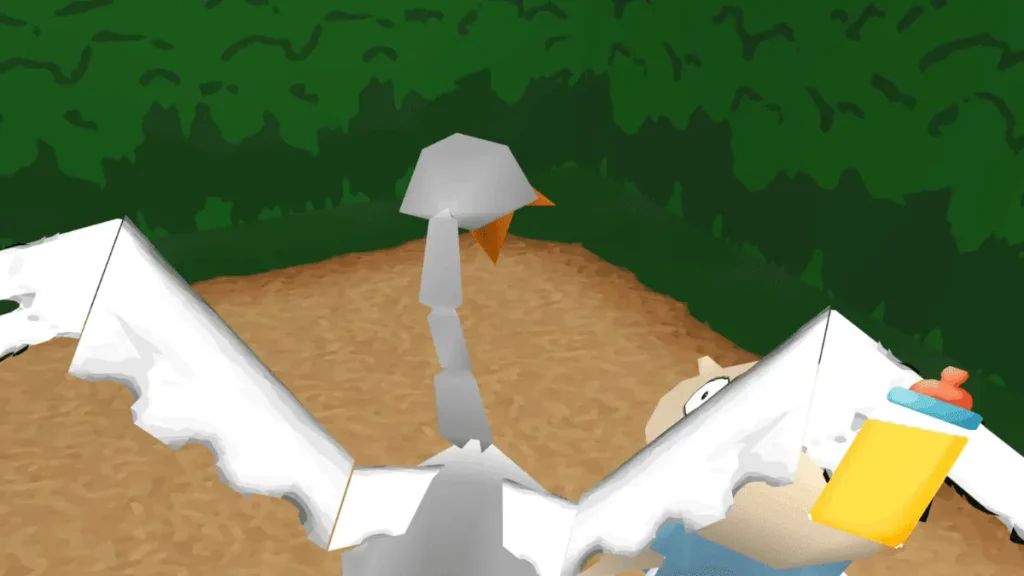
This mission is pure Nickelodeon escalation. Tommy searches a maze, deals with geese, rides Spike, saves Chuckie, and throws hockey pucks. It is memorable and frequently awkward. Bumping into scenery also knocks Tommy down, a joke that becomes a recurring tax.
Circus Angelicus
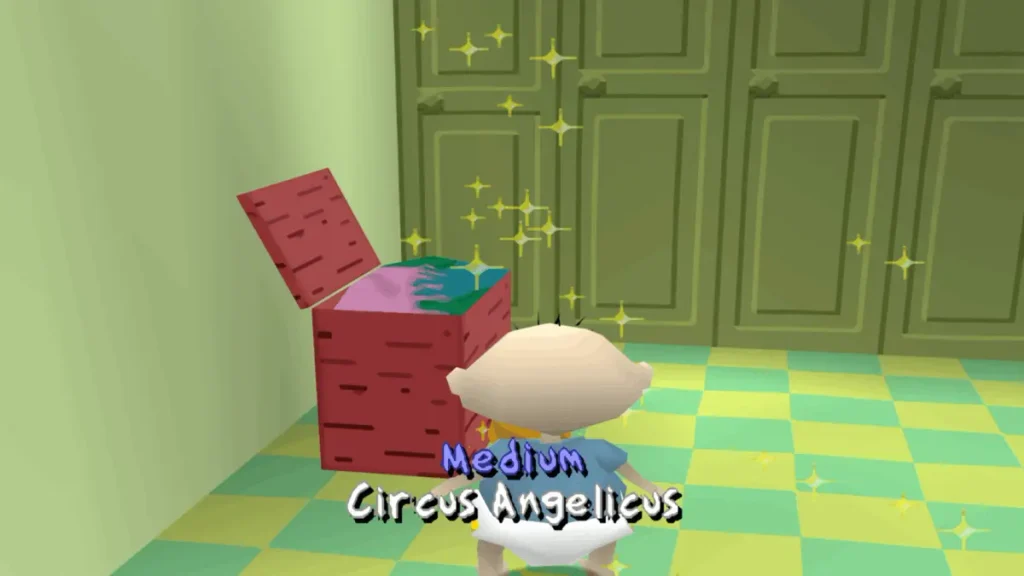
You control Spike through obstacles, ride a tricycle over a ramp, and use a seesaw to throw the other babies into leaves. The constant format changes are charming. Repeating a failed tricycle section is less charming.
Visitors From Outer Space
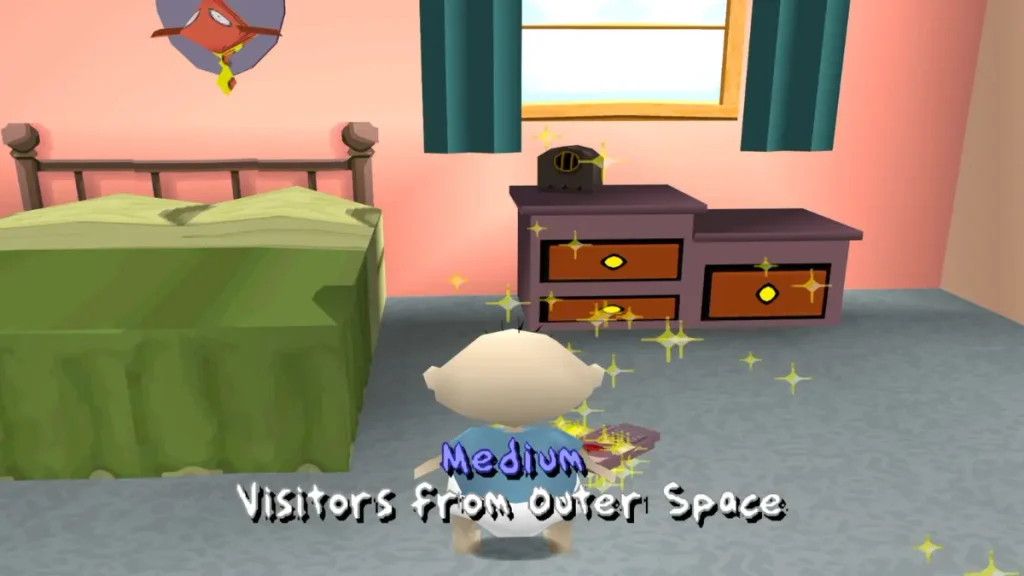
Tommy and the babies are abducted. Angelica navigates the ship, zaps robots, and floats through a gravity-free escape. It arrives from nowhere and commits fully to the idea, which makes it one of the more memorable detours.
Let There Be Light
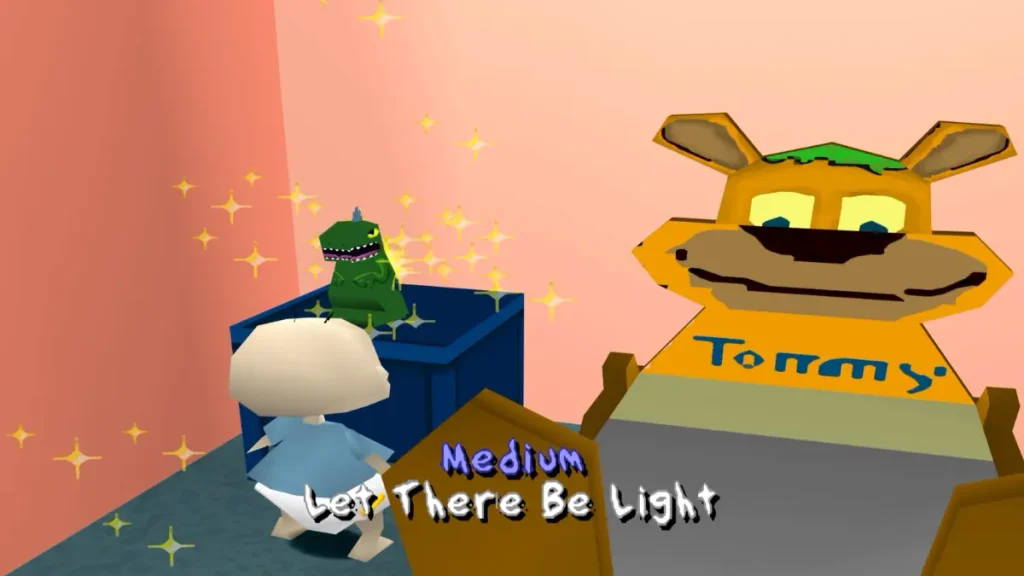
This is still the standout. Tommy explores the Pickles house at midnight with a flashlight while ghosts appear around him. As a child it felt like a horror game. Today it remains atmospheric, readable, and perfectly matched to the babies’ imagination.
Hard Missions
Toy Palace
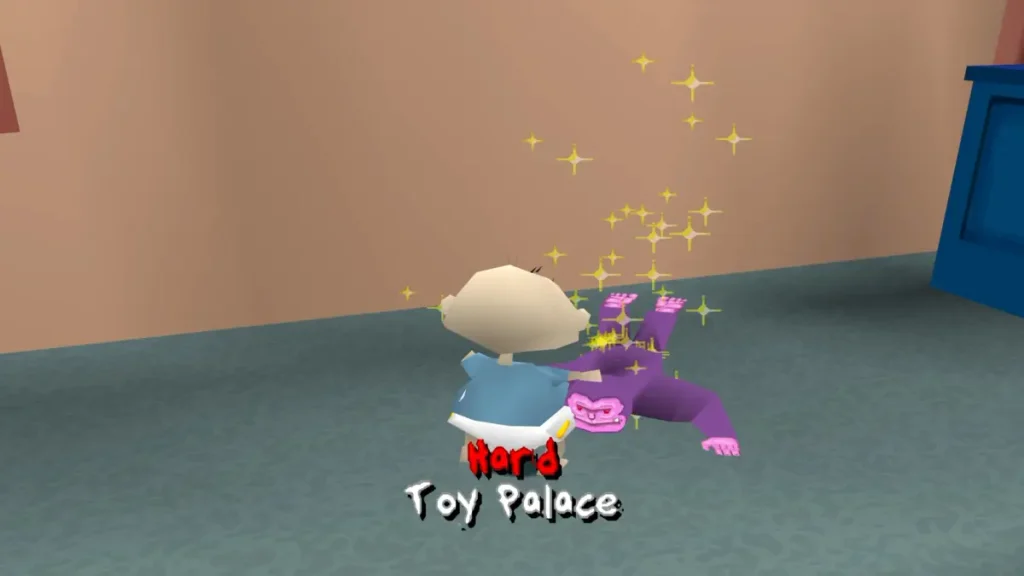
Toy Palace begins with traps and creepy toys, then makes you activate Reptar and stack boxes to reach more boxes. The setting should be one of the game’s best. The slow carrying, poor depth judgment, and camera make it the mission where I most wanted to leave.
7 Voyages of Cynthia
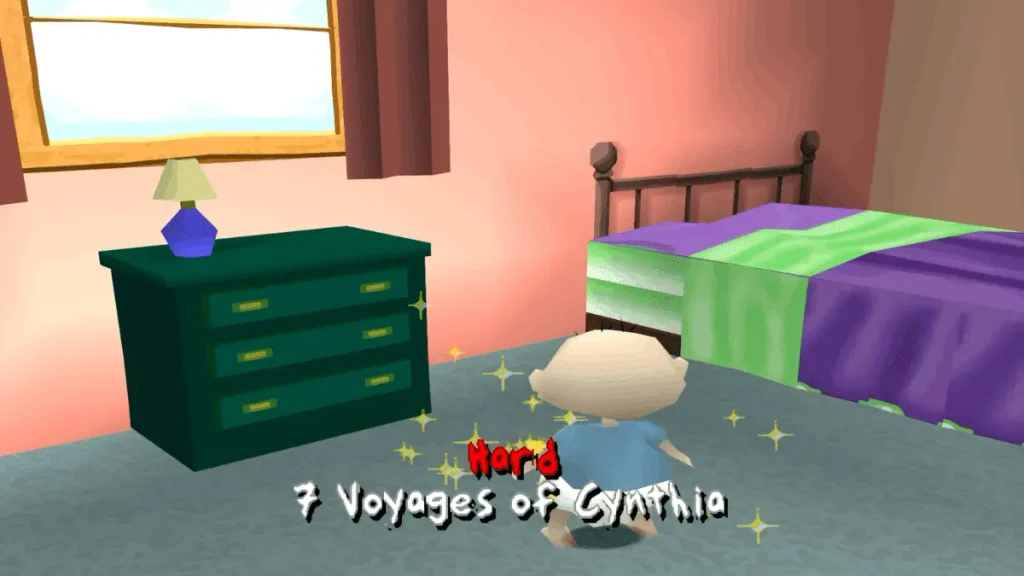
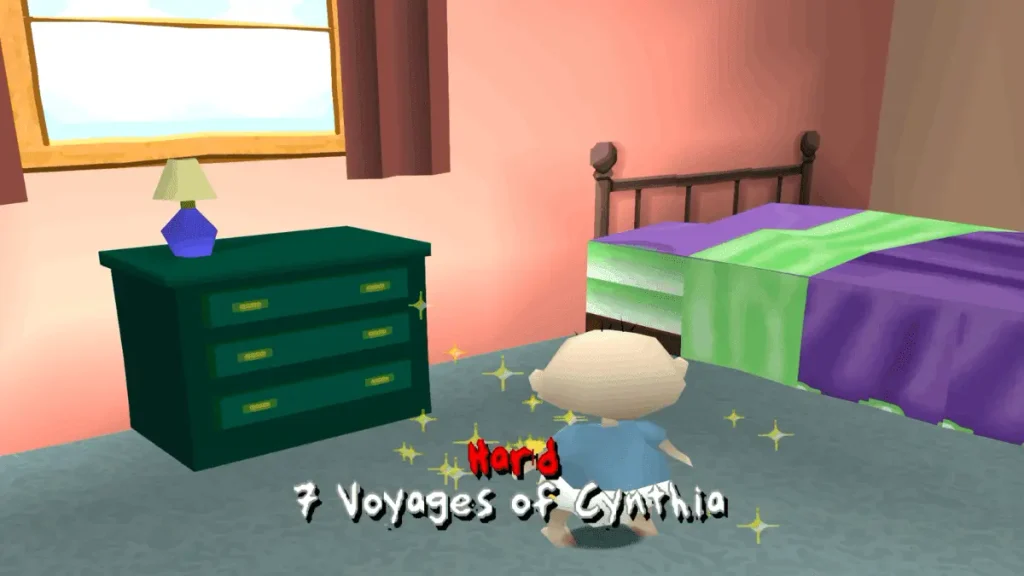
You guide Spike through sewers, avoid harmful water, and race a timer to find Cynthia. Estimating jumps is difficult, and the timer magnifies every camera mistake. “Hard” is less accurate than “annoying with consequences.”
Incident on Aisle 7
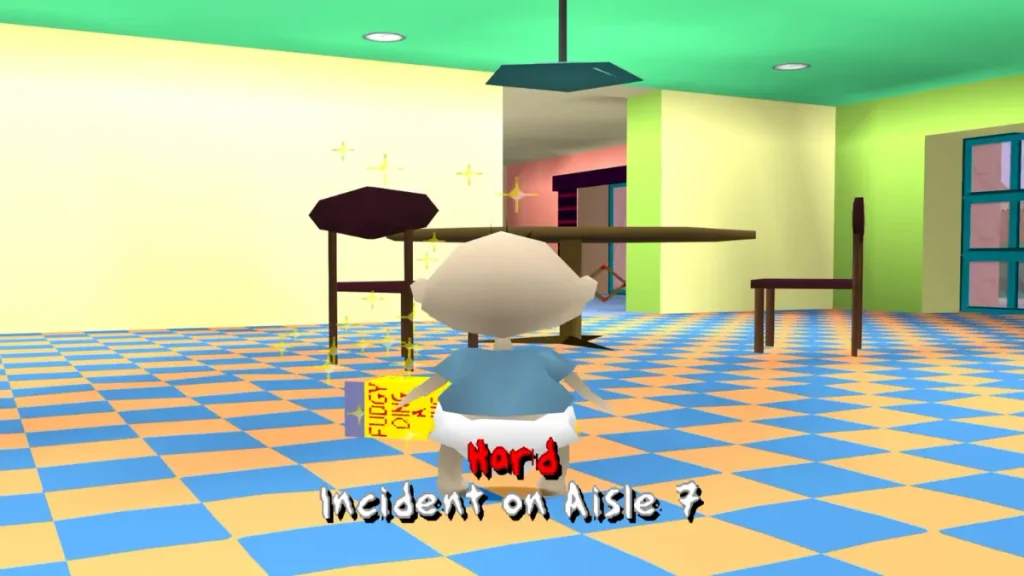
Grandpa loses Tommy and Chuckie in the store, so they head for the Reptar cereal. The mission mixes platforming, slippery hazards, lobsters, pie throwing, and a weak boss. It is busy without becoming especially good or bad.
Bonus Missions
No More Cookies
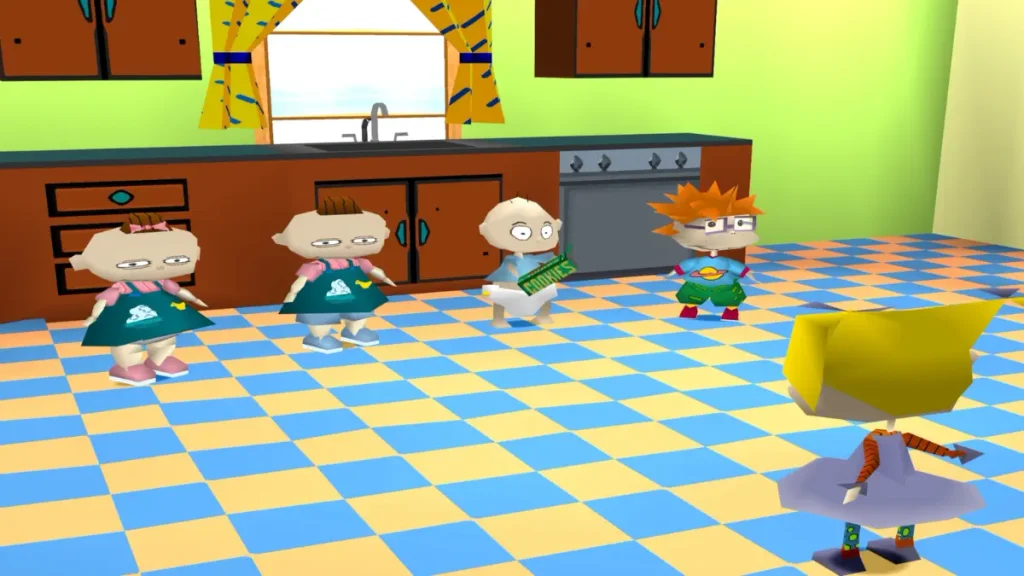
You pass cookies around, keep them from Angelica, and eat them quickly. It works, fills a few minutes, and leaves no meaningful evidence behind.
Mirrorland
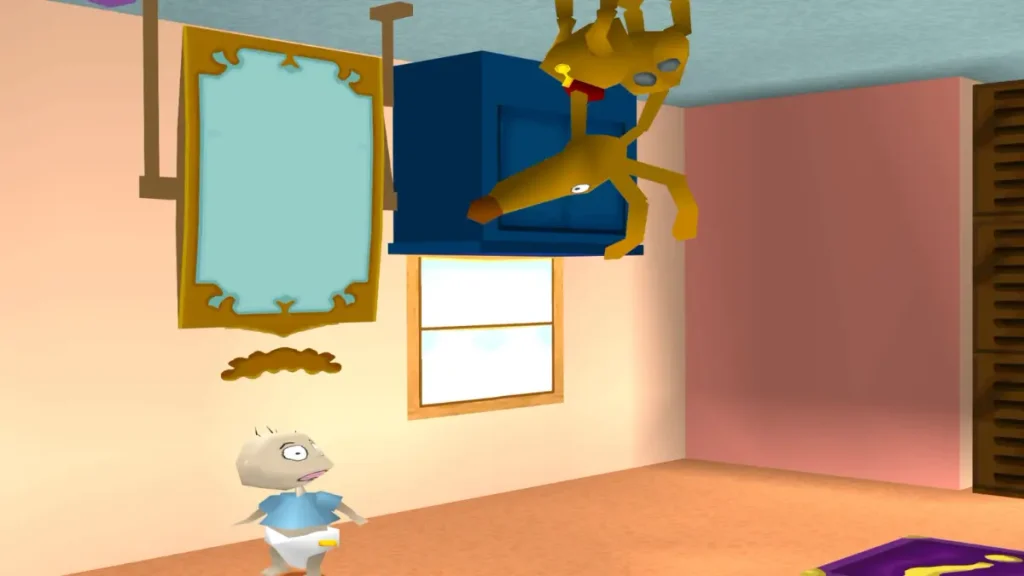
Tommy enters an upside-down version of the house and pops boxes to collect balloons. The visual idea is one of the game’s coolest. The repetitive objective does not fully use it.
Touchdown Tommy
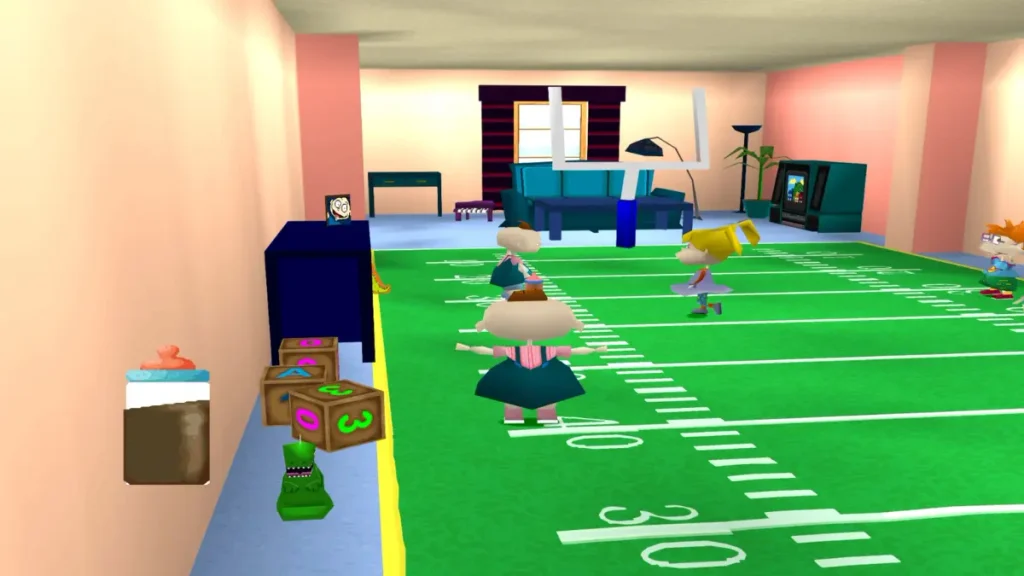
This repeats the tossing and keep-away concept with a drink at the end. It is harmless and forgettable.
Gold Rush
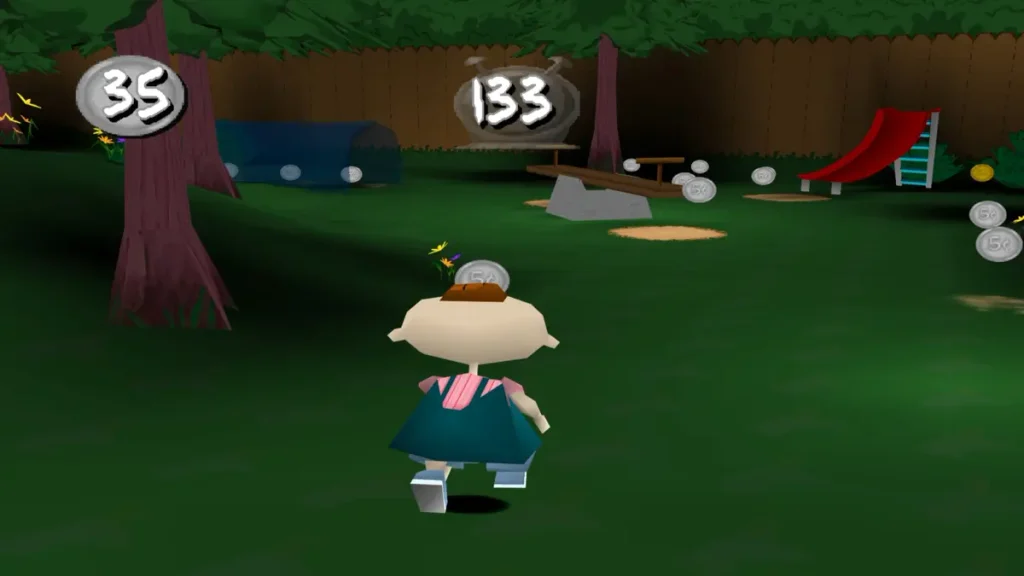
You run around the yard collecting coins. It is simple, brief, and unlikely to be the level anyone has spent 28 years thinking about.
Final Mission: Reptar Zolo
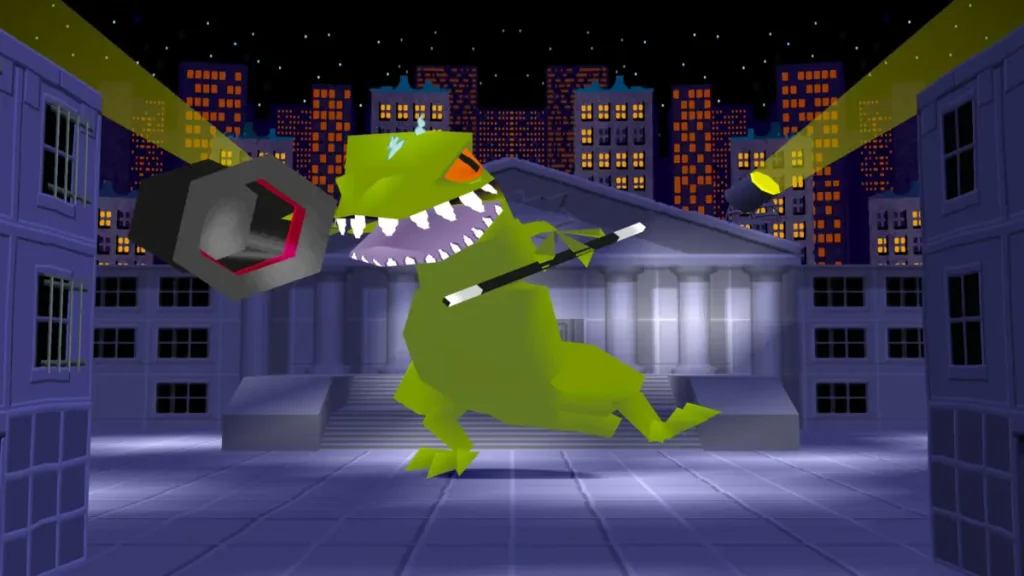
After completing the puzzle, you control Reptar and stomp through the city toward City Hall. The destruction is satisfying in a basic way. The ending dance and hat gag feel smaller than the buildup, but playing as Reptar is still the right reward.
Cut Content and Strange Leftovers
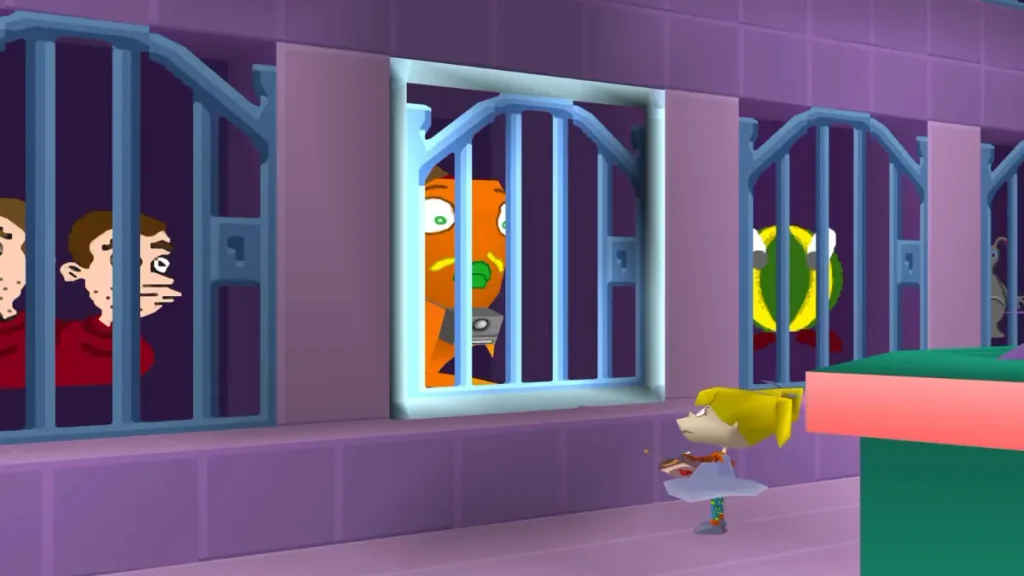
Community documentation has found unfinished level entries in the game files. “The Return of Mr. Friend” exists in a partially playable state, while “Be Bad” does not load normally. These leftovers are interesting, but they should be treated as development remnants rather than secret finished missions.
The voice work also gives the game unusual historical value. The credited cast includes performers from the show, while Mark Mothersbaugh’s music helps sell the same off-kilter world. For a licensed children’s game, it received more attention than its rough mechanics sometimes suggest.
What Still Holds Up in 2026
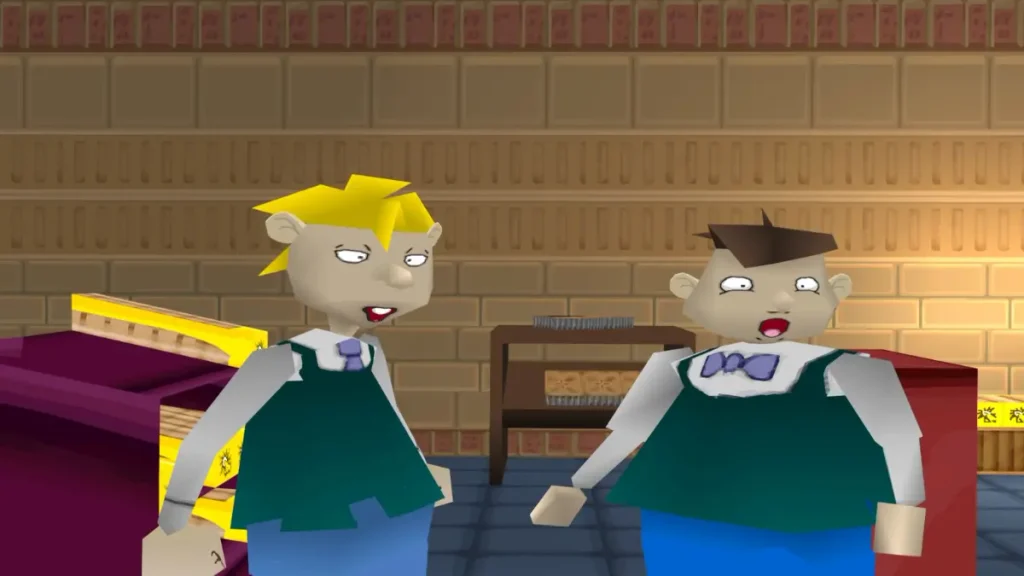
Still Good
- Authentic voices and music
- The Pickles house hub
- Constant mission variety
- Memorable levels such as Let There Be Light
- A short, easy nostalgic replay
Still Rough
- Unreliable camera
- Stiff movement and jumping
- Bonus missions that feel like padding
- A small final payoff
- Limited appeal without Rugrats memories
What the Retro Rewind Collection Changes
The 2026 collection is now the easiest legal way to play. It includes the original 32-bit game alongside five other Rugrats titles. Rewind can undo a missed jump, save-anywhere removes the need to plan around old save points, and the display filters let you choose a clean image or a softer CRT look.
Those conveniences make the replay less irritating. They do not turn it into a modern remaster. The original art, camera, collision, and controls remain part of the experience. For a more authentic display, my comparison of CRT, upscaler, handheld, and emulation options for PS1 explains what each setup changes.
Frequently Asked Questions
How long is Rugrats: Search for Reptar?
A straightforward playthrough takes roughly three to four hours. Exploring the hub, collecting Reptar Bars, and playing side activities can extend it.
Can you play Rugrats: Search for Reptar on PS5?
Yes. The game is included in Rugrats: Retro Rewind Collection for PS5. The collection is also available on Nintendo Switch and PC.
Does the new version fix the camera?
No. Rewind and save-anywhere make mistakes easier to recover from, but the original camera behavior and movement remain.
Is Rugrats: Search for Reptar worth playing without nostalgia?
Probably not as a general recommendation. The atmosphere and historical charm are real, but the rough camera and controls are easier to forgive when the game already means something to you.
Final Verdict: Does Rugrats Search for Reptar Hold Up?
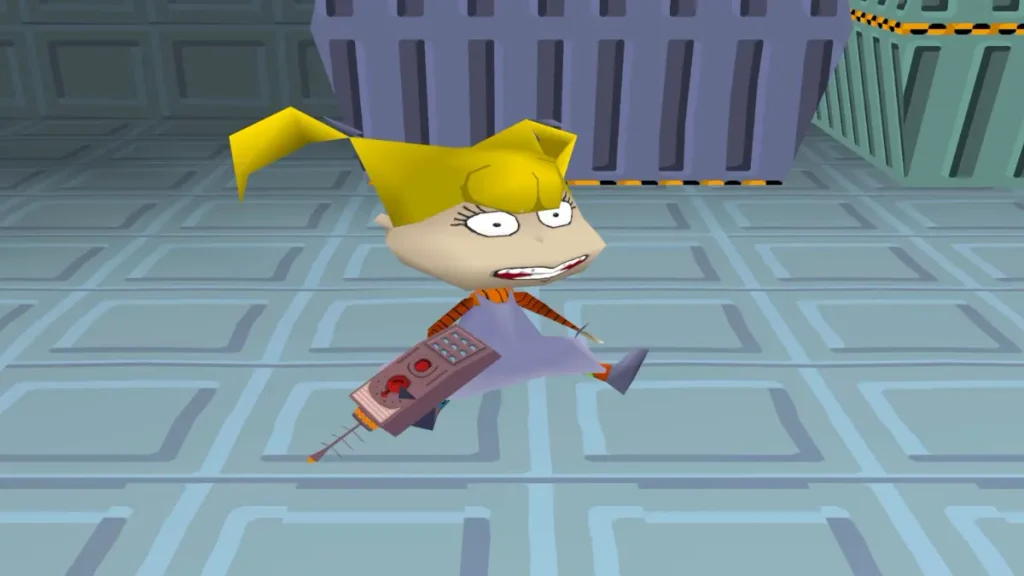
WornOutWill verdict: Recommended for returning Rugrats fans. Newcomers can safely skip it.
Best for: A three-hour nostalgia replay and anyone who wants to explore the Pickles house again.
Biggest drawback: The camera makes too many simple tasks feel worse than they are.
If you grew up with the show, the voices, house, and weird episode logic can still trigger a direct memory hit. I enjoyed revisiting it for that reason. Without that history, I cannot honestly call it a good modern platformer.
Treat it as a nostalgia marathon, accept that the camera is coming too, and use rewind when a jump becomes an argument. My favorite mission is still Let There Be Light. The Pickles house turning into a haunted maze at midnight remains peak Rugrats fever-dream energy.
If this kind of replay is your lane, continue with my list of forgotten PS1 games worth remembering.