There is a single moment almost every PS1 kid remembers: that first boot screen. The Sony Computer Entertainment logo appeared, the sound hit, and suddenly whatever came next felt bigger than the television it was running on. I wrote about that feeling in my PS1 memory piece, but these ten games are where the hardware started turning that feeling into a blueprint.
The original PlayStation hit its 30th anniversary in North America in 2025, and by 2026 the interesting question is not whether it mattered. It is how much of modern gaming still has PS1 fingerprints all over it. These are my picks for the best PS1 games that shaped modern gaming, not because they are automatically the ten highest-scoring games on the console, but because each one pushed design, technology, storytelling, controls, or an entire genre somewhere new.
Last checked: August 21, 2026. I rechecked the technical and historical claims in this article against developer accounts, PlayStation material, official game pages, and current reference sources.
How I picked them: This is not a pure review-score ranking. I am looking at what each game contributed to the PS1 era and what still echoes through games today. You could swap in Tomb Raider, Resident Evil, Ridge Racer, PaRappa, Wipeout, or about twenty other arguments waiting to happen. That is part of the fun.
10 Best PS1 Games That Shaped Modern Gaming
| # | Game | PS1 Release | Why It Matters |
|---|---|---|---|
| 1 | Metal Gear Solid | 1998 | Cinematic stealth, real-time storytelling, fourth-wall design |
| 2 | Final Fantasy VII | 1997 | Blockbuster JRPG presentation and global reach |
| 3 | Castlevania: Symphony of the Night | 1997 | Exploration-driven 2D design that helped define Metroidvania |
| 4 | Resident Evil 2 | 1998 | Connected scenarios and survival-horror replayability |
| 5 | Gran Turismo | 1997/1998 | Console driving realism, car ownership, tuning and progression |
| 6 | Silent Hill | 1999 | Technical limitations turned into psychological horror language |
| 7 | Tekken 3 | 1998 | Universal sidestepping and a stronger third axis for 3D fighters |
| 8 | Tony Hawk’s Pro Skater 2 | 2000 | Manuals transformed levels into flowing combo routes |
| 9 | Crash Bandicoot | 1996 | Aggressive memory management and real-time disc streaming |
| 10 | Ape Escape | 1999 | The first game built around mandatory DualShock control |
1. Metal Gear Solid
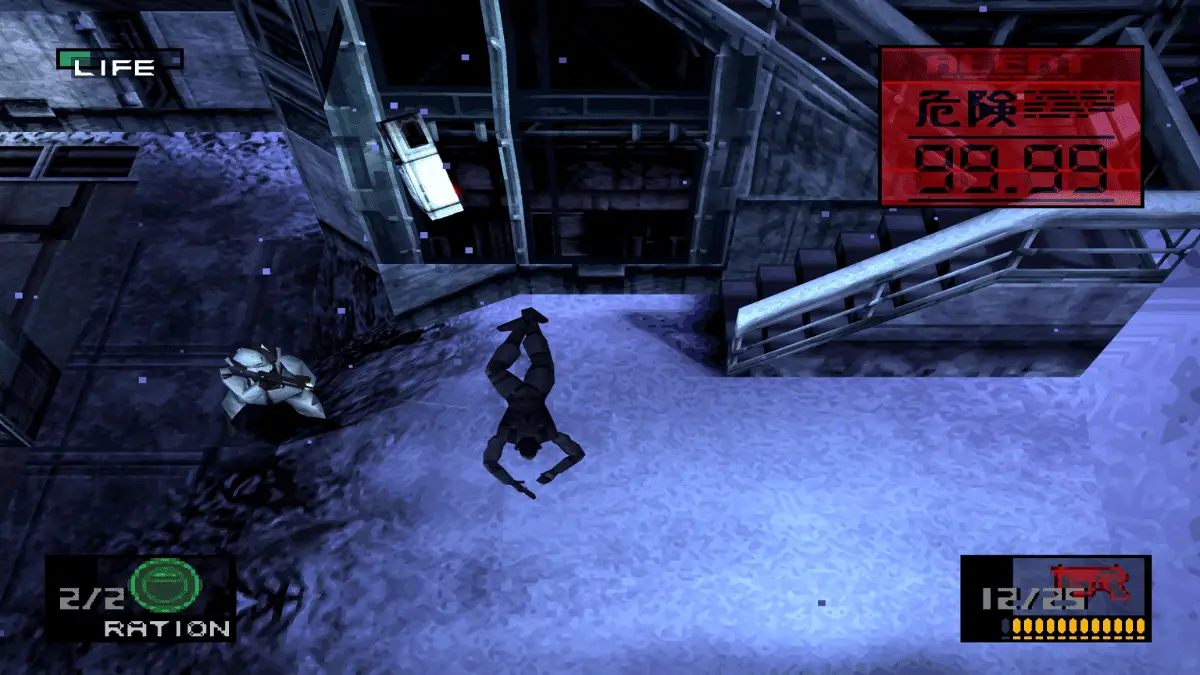
Before Metal Gear Solid, games had already told cinematic stories. What felt different here was how completely the cinematic language lived inside the game itself. The camera moved like it knew it was being watched, codec calls could stop an entire room, and real-time character models carried scenes straight back into gameplay.
Then Kojima started messing with the player instead of just Snake. Psycho Mantis could recognize certain Konami save data on your memory card, the controller-port trick became part of the boss fight, and Meryl’s codec frequency sent people digging through the physical case. That stuff was not decoration. It made the console, controller, memory card, packaging, and player feel like pieces of the same game.
That is the part that still feels modern. Metal Gear Solid understood that interactivity could reach outside the character on screen. Plenty of games became more cinematic afterward. Far fewer learned how to make the person holding the controller part of the trick.
2. Final Fantasy VII
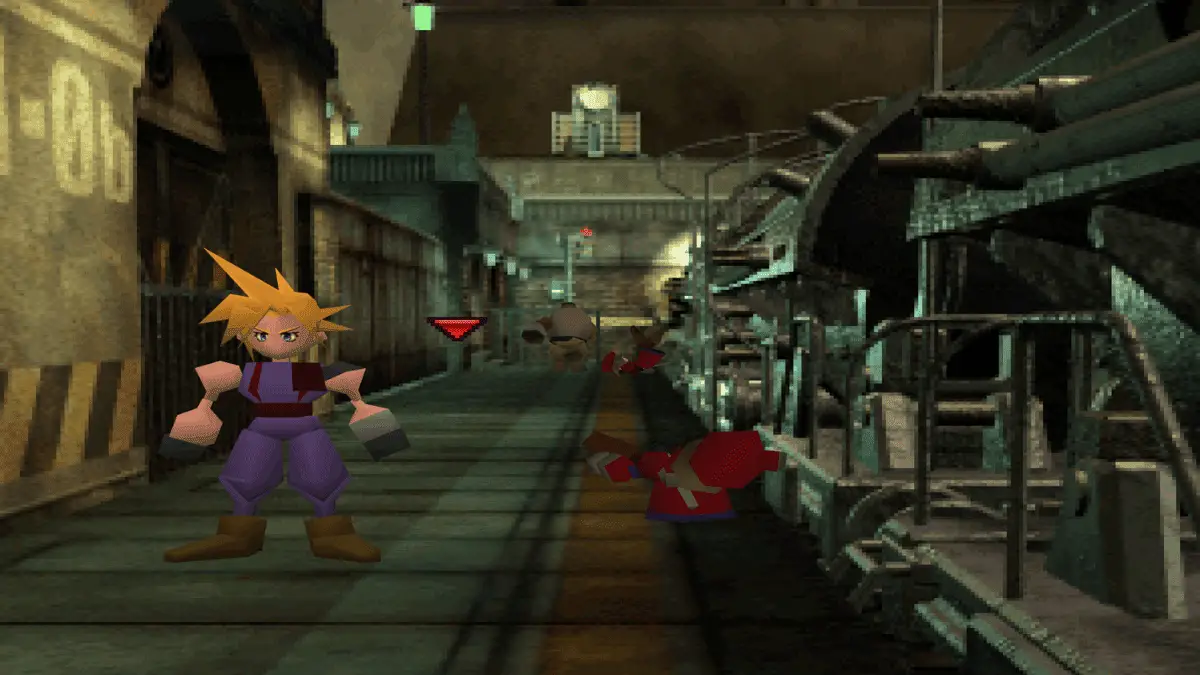
Final Fantasy VII was my first exposure to Japanese RPG storytelling at blockbuster scale, and I know I was not alone. Three discs, huge pre-rendered environments, 3D characters, CG movies, summon animations that seemed to have their own runtime. It felt enormous.
The technical presentation was cleverer than my childhood brain understood. Field exploration often placed real-time 3D characters over pre-rendered backgrounds, while some sequences blended real-time models with full-motion video. Square was using the CD format and the PlayStation’s strengths to sell scale wherever it could.
I still think of VII as the “Akira moment” for JRPGs. Not because Japanese RPGs were unknown before it, but because this one exploded outward. The genre suddenly felt like a global event, and its storytelling ambitions became part of the conversation around what a major console game could be.
3. Castlevania: Symphony of the Night
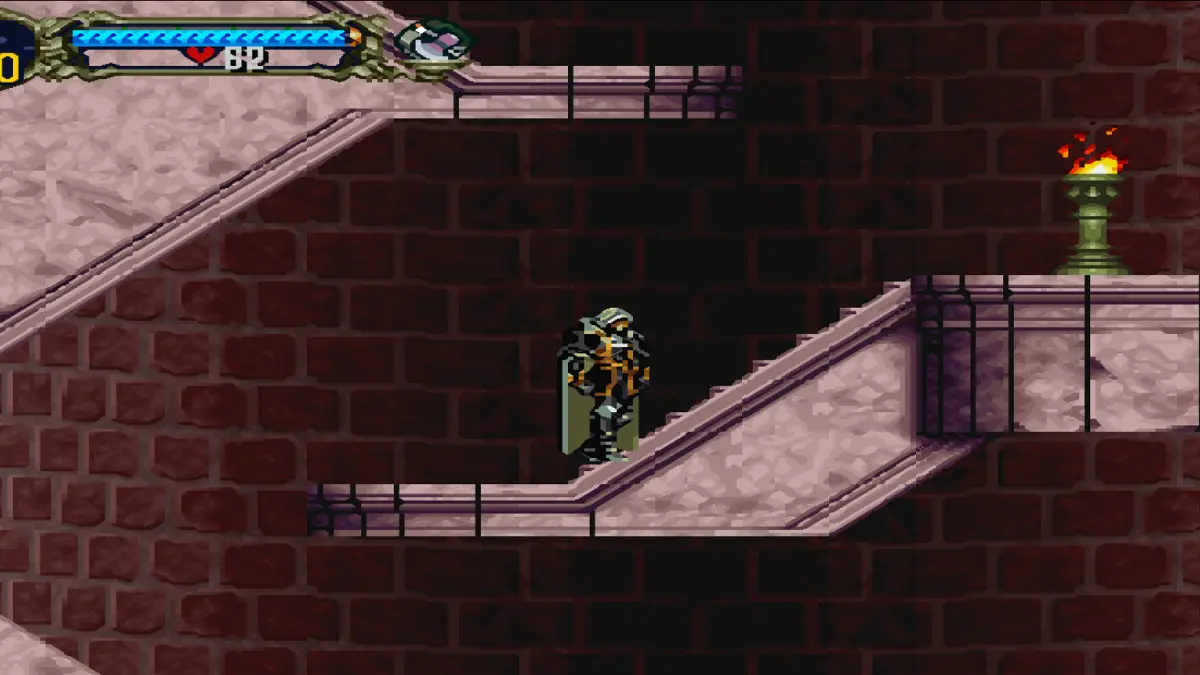
While half the industry was sprinting toward polygons, Symphony of the Night planted its feet in 2D and proved depth did not require another dimension. Dracula’s castle became a place instead of a sequence of stages. Secret passages folded into equipment, stats, relics, movement abilities, and whole sections that only made sense after you came back stronger.
It pulled heavily from the exploration structure people already associated with Metroid, then mixed in RPG progression and Castlevania’s own combat identity. The term “Metroidvania” came later, but Symphony of the Night became one of the games most responsible for defining what people mean when they use it today.
The part I love is how little it cares about hurrying you. Wander. Backtrack. Get lost. Break the intended order. Find a sword hiding behind a wall because somebody on the development team apparently did not want you to see daylight again.
4. Resident Evil 2
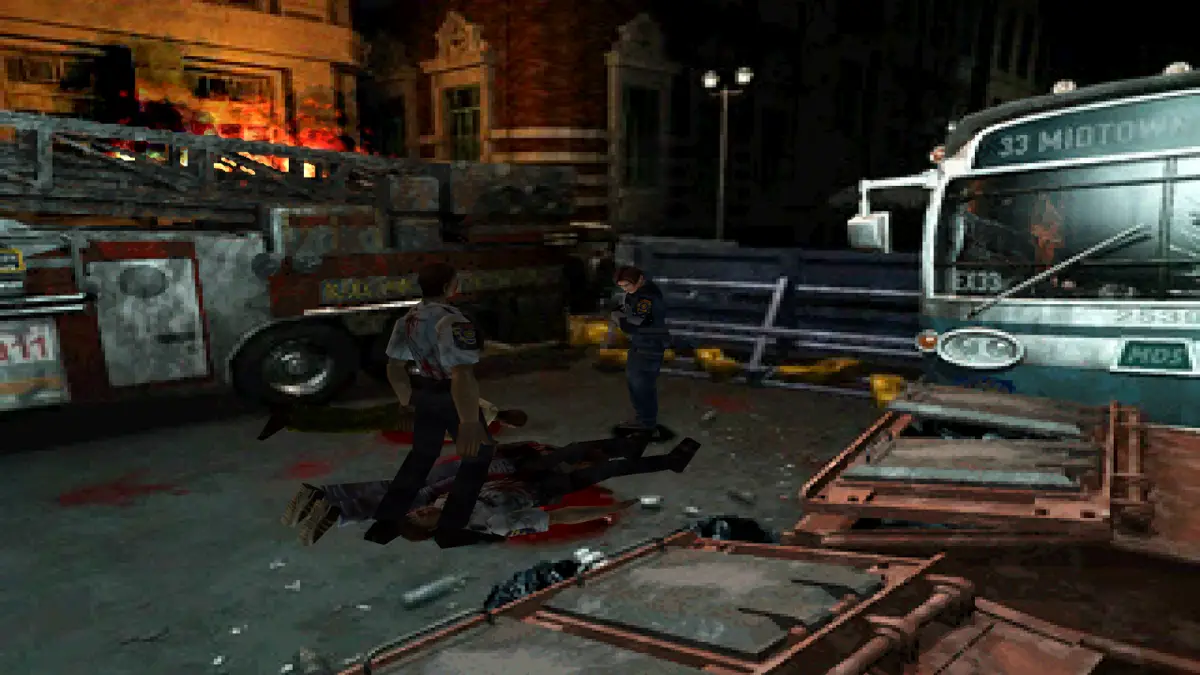
Resident Evil 2 did not invent survival horror, but it made the idea feel bigger. The Raccoon Police Department was a maze of locked doors, strange keys, blind corners, and noises that made me stop walking even when absolutely nothing was happening.
The smartest idea was the A/B scenario structure. Leon and Claire had separate routes, and specific actions in the first scenario could affect the second, including item choices and a handful of environmental events. It was not a fully branching modern narrative system, but it made the two playthroughs feel connected instead of duplicated.
That gave replayability a story function. You were not simply starting over with another character. You were seeing another side of the same disaster, and the Raccoon City Police Department slowly became the kind of place you knew by memory even though every hallway looked like it wanted you dead.
5. Gran Turismo
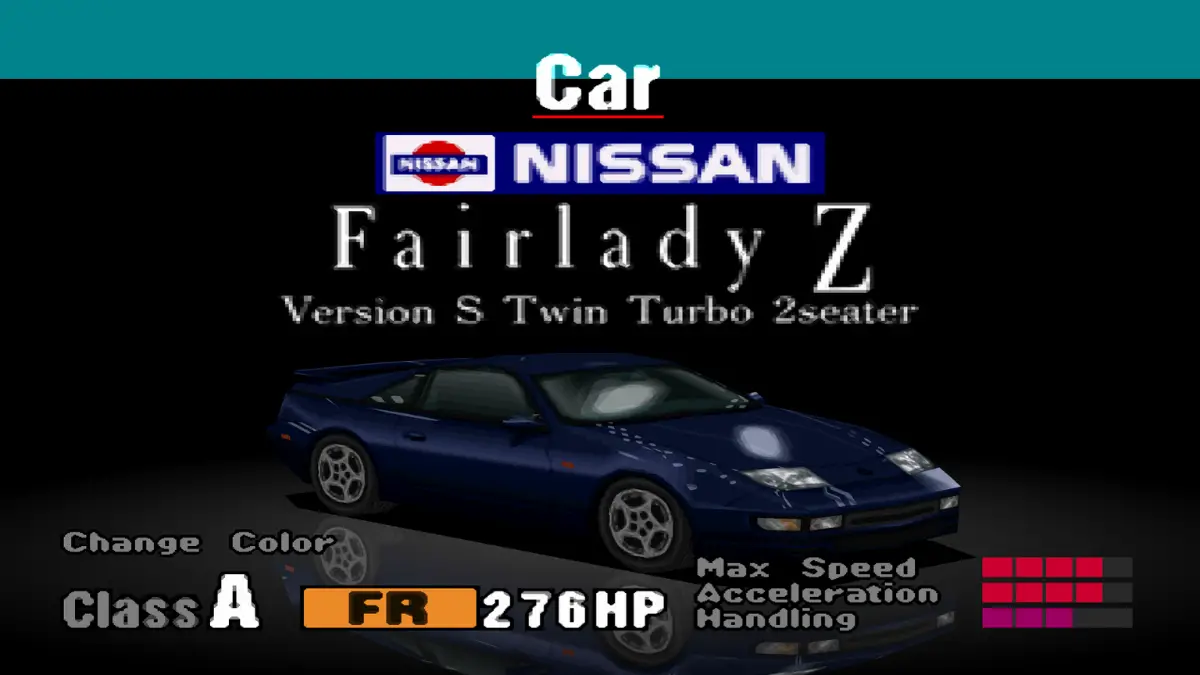
Console racing existed long before Gran Turismo, but this was the game that made a lot of us start caring about things we had never cared about before. Drivetrain. Tire grip. Used cars. License tests. Spending credits on a car I immediately regretted buying.
Polyphony Digital called it “The Real Driving Simulator,” and the structure backed up the attitude. You did not just select a car and win races. You bought vehicles, tuned them, earned licenses, built a garage, and slowly turned a racing game into something that felt suspiciously close to an RPG with horsepower.
The numbers back up how hard it landed. Polyphony Digital says the original sold 10.85 million units worldwide, making it the best-selling game on the original PlayStation. More important to me is what came after: racing games could sell progression, ownership, authenticity, and car culture as strongly as speed itself.
6. Silent Hill
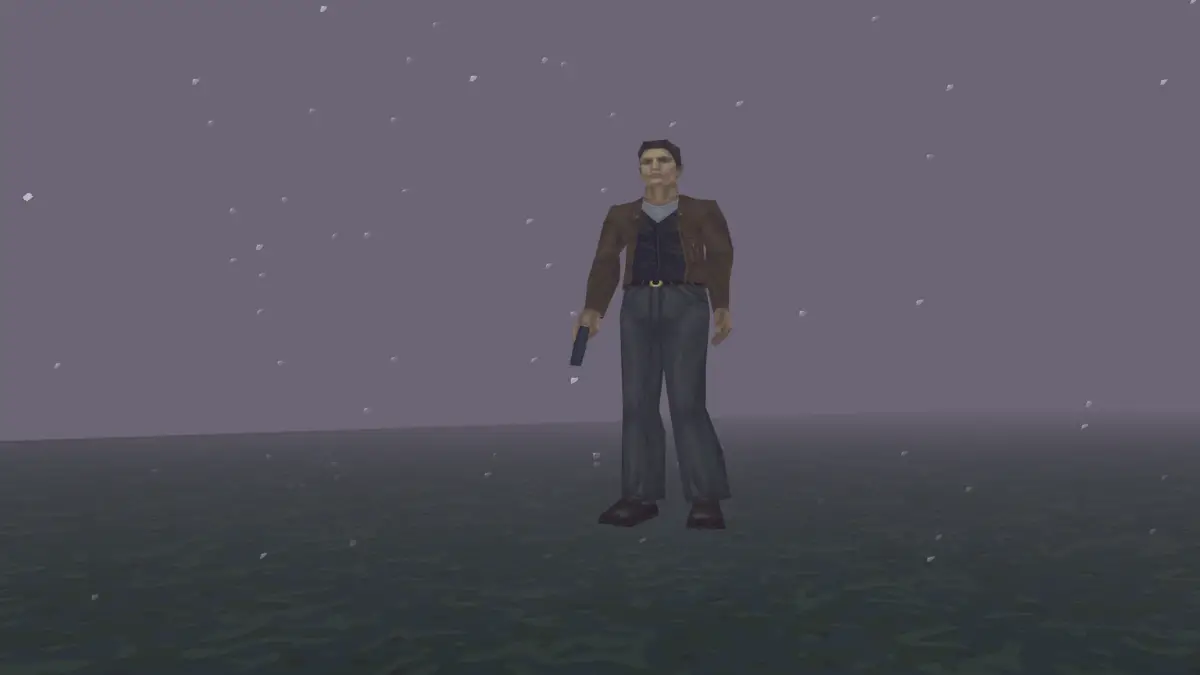
Resident Evil made me afraid of what was waiting around the corner. Silent Hill made me afraid that the corner itself had bad intentions.
The famous fog was partly a technical solution to the PlayStation’s limited draw distance, but Team Silent turned that limitation into the visual language of the entire game. You could only see a small bubble of road ahead. Shapes existed just outside it. The radio warned you about things you could not see yet. Suddenly “we cannot draw that far” became “you are not allowed to know what is over there.”
That is one of my favorite PS1 lessons. Hardware limitations did not always need to be hidden. Sometimes the limitation could become the idea.
7. Tekken 3
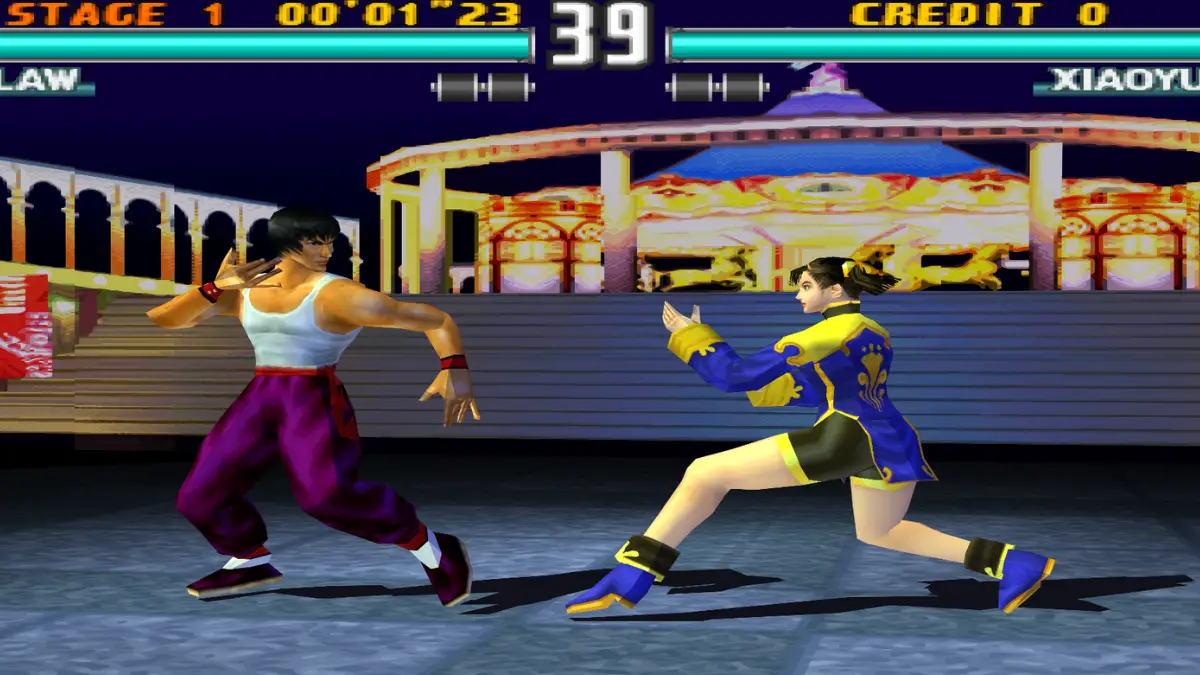
Tekken 3 is one of those games where the home conversion still feels slightly impossible. The animation was fast, the roster was stacked, and the PlayStation version added Tekken Force and Tekken Ball on top of the fighting game everyone already wanted.
The big mechanical shift was movement. Earlier Tekken games had limited character-specific ways to move into the foreground or background, but Tekken 3 gave every character a sidestep dodge. The third axis stopped being visual decoration and became something the whole roster could use strategically.
That sounds obvious now because modern 3D fighters inherited the language. At the time, learning that “up” did not always mean jump anymore felt like somebody had quietly added another direction to fighting games.
8. Tony Hawk’s Pro Skater 2
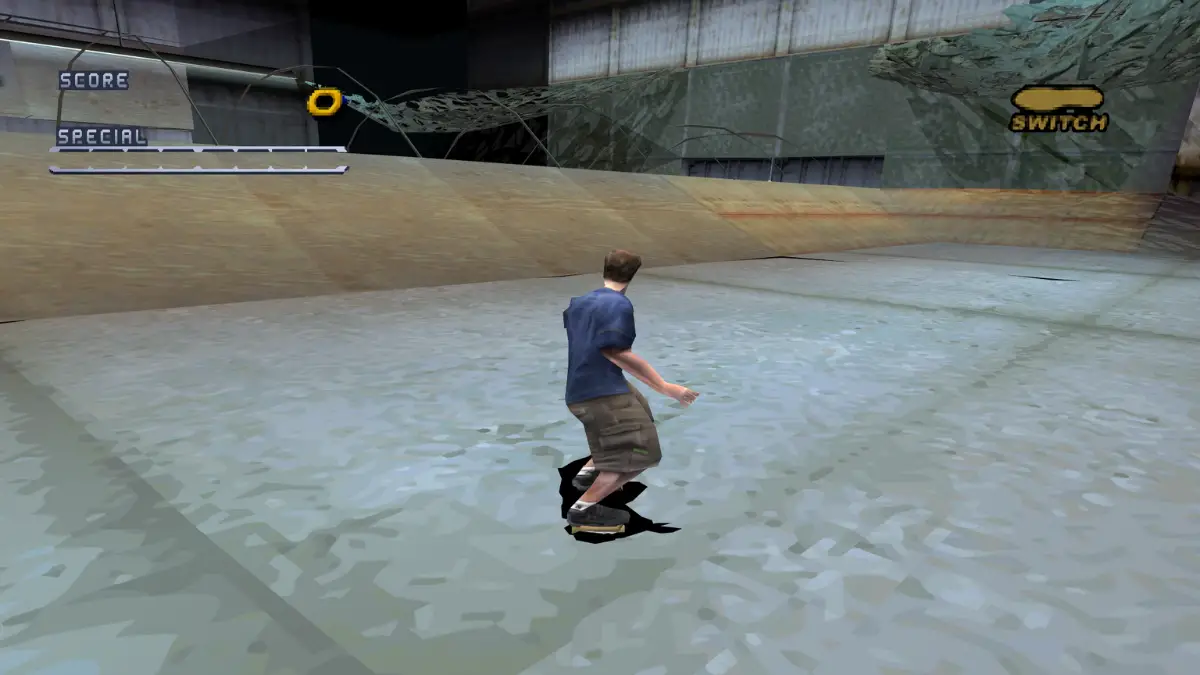
Tony Hawk’s Pro Skater 2 took an already great control system and added one mechanic that changed how I looked at every level: the manual.
Suddenly a rail, a ramp, a quarter pipe, and the empty ground between them were not separate objects. They were pieces of one route. Manuals let you connect air tricks and grinds across the level, so the environment became a giant combo puzzle instead of a collection of individual spots.
Then there is the soundtrack, the two-minute runs, the secret tapes, the gaps you memorized instead of doing homework. The original PlayStation version still has a 98 Metascore on Metacritic. Scores age strangely. The controls do not.
9. Crash Bandicoot
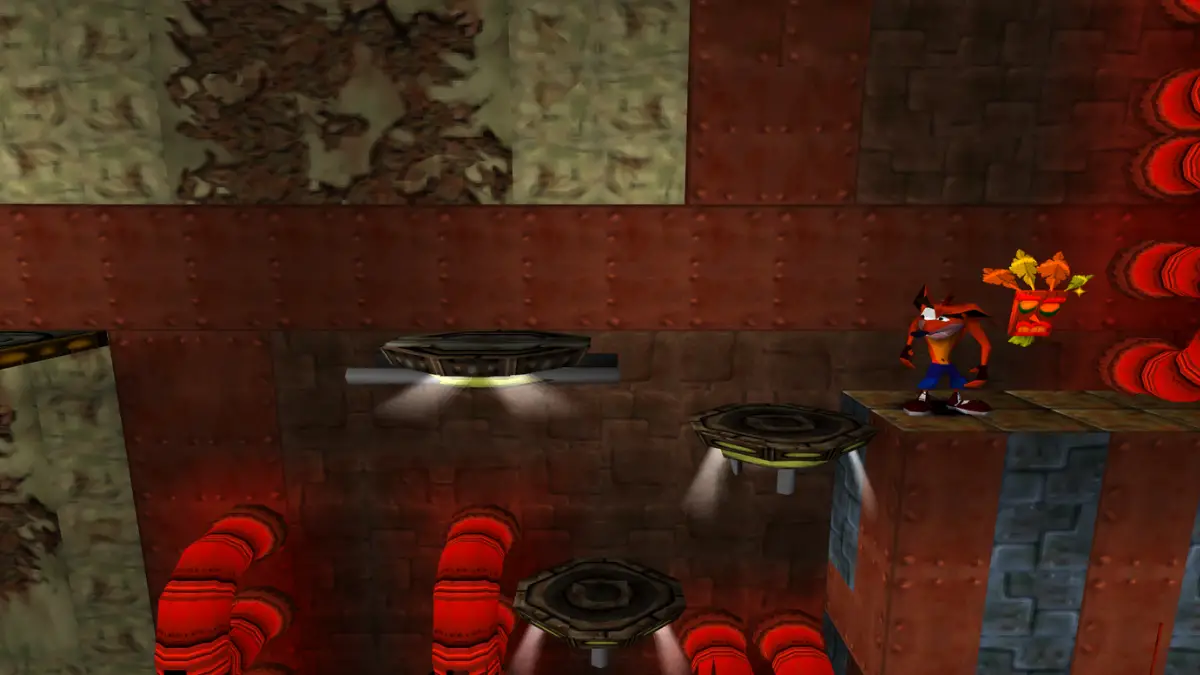
Crash Bandicoot looked like a cartoon. Under the hood it was borderline forbidden engineering.
Naughty Dog built custom technology around the PlayStation’s tiny 2MB of main RAM. Programmer Dave Baggett later explained that levels could contain more than 10MB of data, so Andy Gavin’s paging system constantly swapped 64KB chunks in and out while the game ran. The team even controlled where data sat physically on the CD so the drive could reach it in time.
The corridor-like level layouts helped make that kind of aggressive streaming practical, but they were also part of Crash’s identity from the beginning. The important bit is not that the camera existed only because of memory. It is that Naughty Dog designed the game and the technology around each other until you could barely tell where one ended.
If you want the wonderfully unhinged technical version, Naughty Dog preserved Andy Gavin and Jason Rubin’s making-of series. Their stories make modern optimization problems feel almost relaxing.
10. Ape Escape
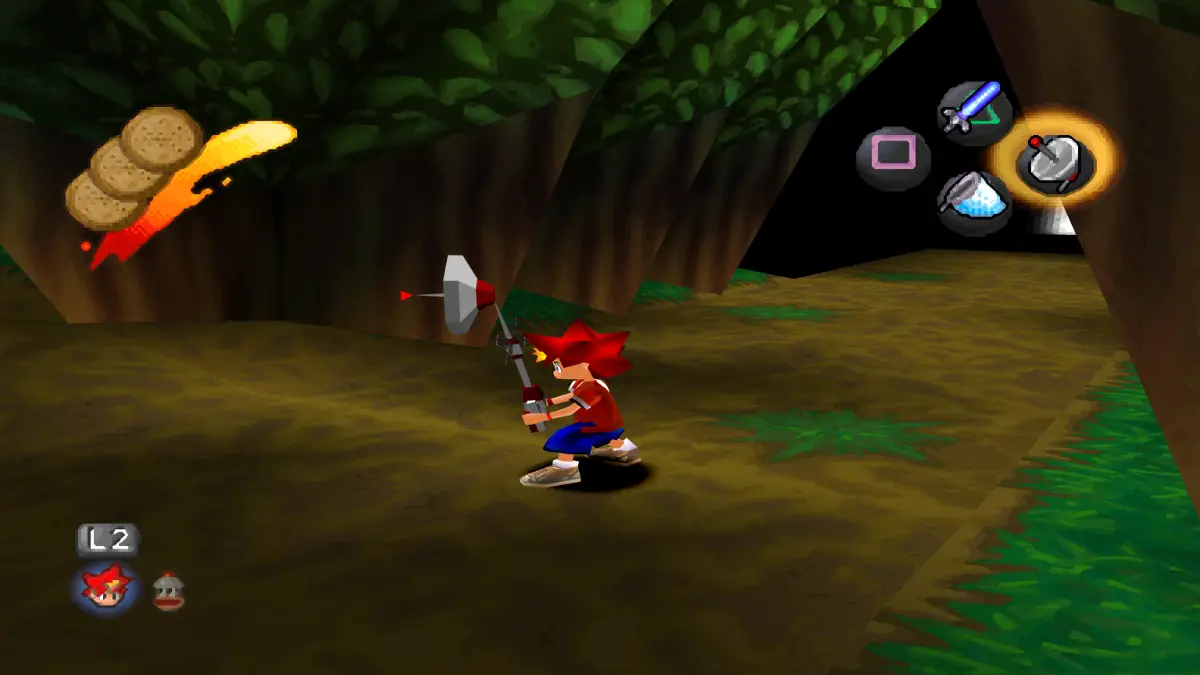
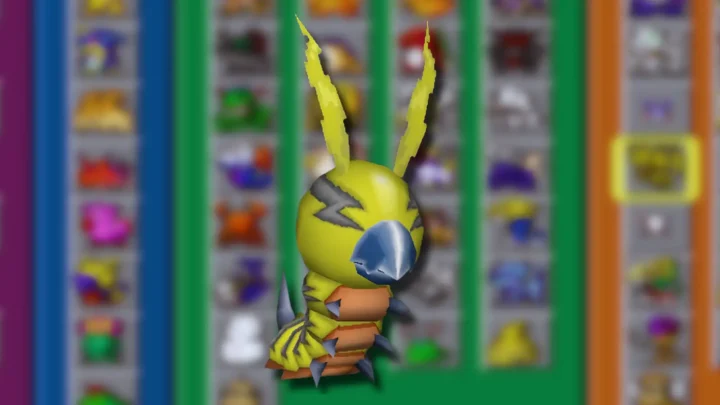
Ape Escape was not merely better with analog controls. It required them. No D-pad fallback. No “classic mode” for people refusing to move on with their lives.
The left stick controlled Spike while the right stick controlled gadgets. Swing the Stun Club. Spin the net. Aim tools directly. The controller stopped being a collection of buttons and became part of the game design.
That decision was deliberate. In a 2026 interview, executive producer Shuhei Yoshida recalled the team committing to a game that would not be compatible with the regular PlayStation controller. What felt experimental in 1999 now feels completely normal, which might be the clearest sign that the experiment worked.
How PS1 Hardware Shaped These Games
The original PlayStation had roughly 2MB of main RAM, 1MB of video RAM, and a CPU running at about 33.9MHz. Those numbers sound microscopic now, but the more interesting story is what developers did because the numbers were microscopic.
Texture Warping and Polygon Wobble Are Different Problems
I used to lump every shaky PS1 surface into one bucket. They are actually several different hardware quirks piled on top of each other. The PS1 used affine texture mapping without perspective correction, which is a major reason textures appear to warp across polygons. Its lack of sub-pixel precision contributes to vertices snapping and wobbling as the camera moves. It also had no hardware Z-buffer, so games had to sort geometry themselves, which could create its own flickering and overlap problems.
If you emulate PS1 games now, this is exactly the stuff features like PGXP can change. My DuckStation settings guide shows what the corrections look like and why I do not automatically turn every enhancement on.
The Geometry Transformation Engine
The PlayStation’s Geometry Transformation Engine, or GTE, was a coprocessor built to accelerate the math behind 3D transformations, lighting-related calculations, and projection. In other words, the little grey box had dedicated help for throwing polygons around before developers found a thousand creative ways to make those polygons misbehave.
For a deeper technical breakdown, Rodrigo Copetti’s PlayStation architecture analysis is one of the clearest explanations I have found.
Disc Streaming Became Part of Game Design
Crash is the wildest example here. Naughty Dog streamed data continuously from the CD to feed levels larger than the available RAM. Sony was reportedly worried enough about the constant disc access to question what it might do to the drive over extreme use. The final game shipped anyway, millions of PlayStations survived, and now we get to tell the story as if any of this was normal.
Best PS1 Games FAQ
What are the best PS1 games to play in 2026?
If you want a starting group that shows what the console did best, I would begin with Metal Gear Solid, Final Fantasy VII, Castlevania: Symphony of the Night, Resident Evil 2, Gran Turismo, Silent Hill, Tekken 3, Tony Hawk’s Pro Skater 2, Crash Bandicoot, and Ape Escape. They cover RPGs, horror, racing, fighting, platforming, stealth, and the strange early-3D experimentation that makes the PS1 library fun to revisit.
What is the best-selling PS1 game?
The original Gran Turismo is the best-selling original PlayStation game. Polyphony Digital lists worldwide sales at 10.85 million units.
Was Ape Escape really the first game to require DualShock?
Yes. Ape Escape was designed around the DualShock and required its analog controls. That is different from earlier PS1 games that supported analog input as an option.
Why do PS1 games look different on a CRT?
PS1 games were designed around low-resolution analog displays. CRTs naturally blend dithering, soften hard pixel edges, and display 240p-era imagery very differently from a modern fixed-pixel panel. If you want the full rabbit hole, I compared the options in my best way to play PS1 games in 2026 guide.
What is the easiest way to play PS1 games today?
For most beginners, emulation on a PC is the easiest route. My PS1 beginner’s guide compares original hardware, PS2, PS3, modern PlayStation options, and emulation. If you already know you want DuckStation, my DuckStation setup guide gets straight to the setup.
Thirty Years Later, the PS1 Still Feels Weirdly Modern
The PS1 was a machine full of limitations, and that is exactly why this list is interesting. Developers had tiny memory budgets, awkward 3D hardware, a new controller language, and entire genres that had not figured out what they wanted to be yet.
So they improvised. They turned fog into horror. A second analog stick into a gadget system. CD streaming into level design. A manual into the connective tissue for an entire skatepark. A memory card into part of a boss fight.
That is why these games still matter to me. They are not important because they are old. They are important because you can play something released this year and still catch one of their fingerprints on the controller.
If this made you want to go back, start with my guide to playing PS1 games in 2026. Then pick one game, stop optimizing the setup, and actually play it. I say this mostly because I need to hear it too.