
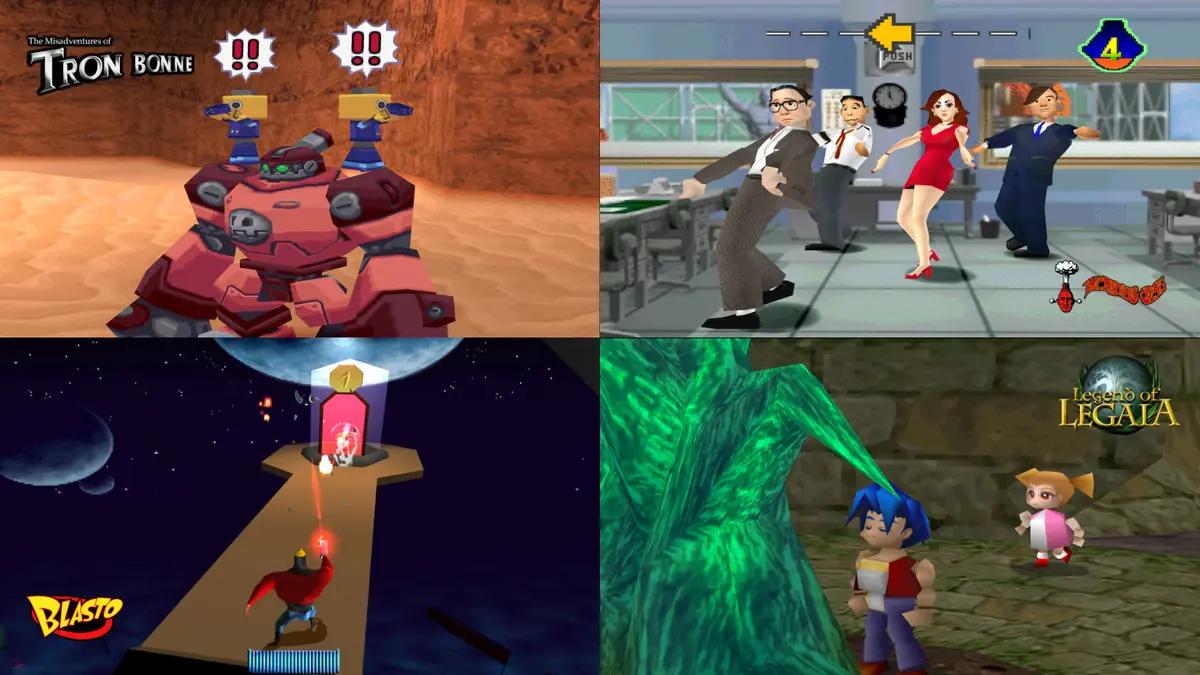
The PlayStation library is full of games that were too strange, too late, or simply too quiet to become permanent household names. These ten forgotten PS1 games still deserve attention in 2026 because each one tried something distinctive, even when the hardware, market, or camera fought back.
“Forgotten” is subjective here. A dedicated collector probably knows Einhänder, and Mega Man Legends fans certainly remember Tron Bonne. I am talking about games that have largely disappeared from the current conversation, modern storefronts, and active franchise plans. They are remembered by pockets of players rather than the wider audience that still talks about Metal Gear Solid, Final Fantasy VII, or Crash Bandicoot.
That makes them interesting. Early 3D developers were still inventing the rules, so a tactical war game could star pigs, an RPG could turn directional inputs into martial arts, and Polyphony Digital could pause its racing work long enough to build a space shooter. If you miss the era when getting stuck was part of the experience, my look at why getting stuck on PS1 felt like a rite of passage explains why that friction still feels memorable.
Last checked: August 20, 2026. Release years use the North American PlayStation dates for consistency. Availability can change, especially for older digital storefronts.
Table of Contents
Quick Comparison: Forgotten PS1 Games
| Game | NA Year | Genre | What Makes It Memorable |
|---|---|---|---|
| Blasto | 1998 | 3D shooter/platformer | Phil Hartman’s loud sci-fi hero |
| Hogs of War | 2000 | Turn-based tactics | Strategic pigs and Rik Mayall |
| Legend of Legaia | 1999 | JRPG | Directional martial-arts combos |
| Einhänder | 1998 | Side-scrolling shooter | Stealing enemy weapons mid-flight |
| Ghost in the Shell | 1997 | Third-person shooter | A wall-climbing Fuchikoma tank |
| Jade Cocoon | 1999 | Monster-raising RPG | Fusing creatures and Katsuya Kondō designs |
| Bloody Roar | 1998 | Fighting game | Transforming into animal forms |
| The Misadventures of Tron Bonne | 2000 | Action/adventure hybrid | Servbot management and varied missions |
| Omega Boost | 1999 | 3D rail shooter | Polyphony Digital made a mech game |
| Incredible Crisis | 2000 | Minigame collection | A family comedy powered by ska |
How I chose these games: This is not a scientific popularity ranking. Each game needed a distinct idea, limited visibility in the current mainstream conversation, and a reason to revisit it beyond simple rarity. Hogs of War is the clearest exception because it is available on PC and has a remaster in development, but it spent long enough surviving on cult enthusiasm to earn its place.
1. Blasto (1998)
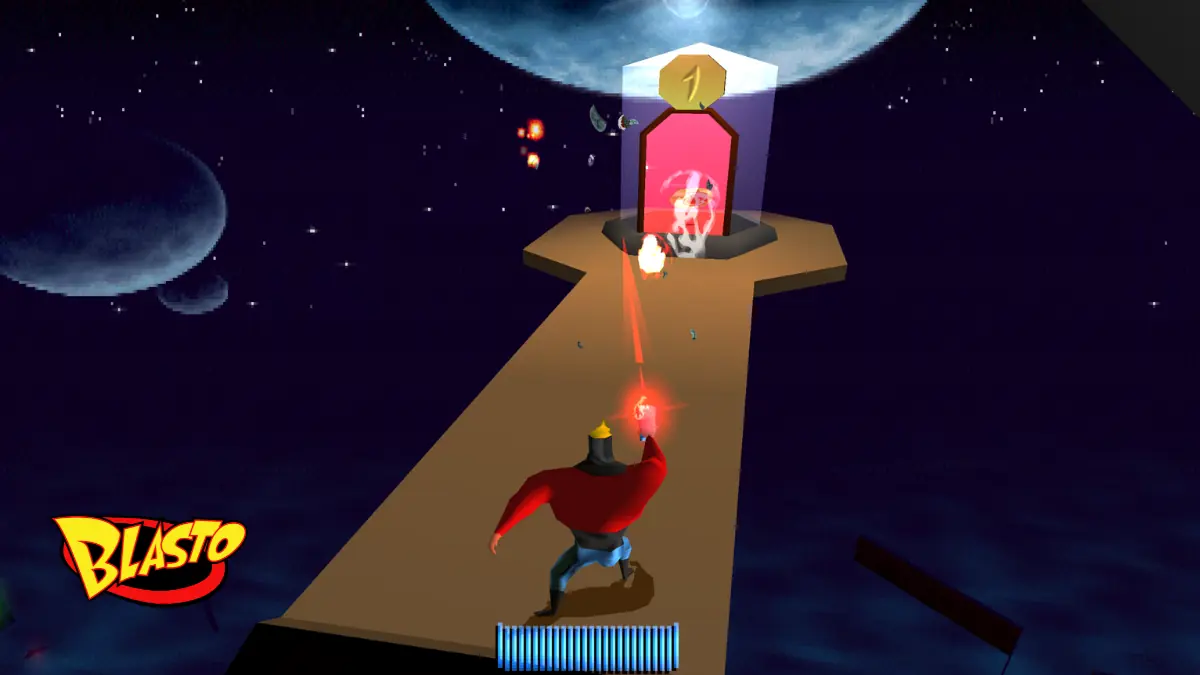
Captain Blasto delivers a joke while the camera quietly plans another crime.
What made it different: A fully voiced, comedy-heavy hero in a 3D shooter.
Why it faded: Stiff movement, difficult navigation, and no sequel.
Worth playing if: You enjoy ambitious early 3D games and can forgive a camera with personal grievances.
Blasto feels like Sony tried to manufacture a mascot by turning the personality dial until it snapped off. Captain Blasto is arrogant, constantly talking, and certain that every alien in the galaxy has been waiting for him. Phil Hartman’s performance gives that routine far more charm than the script probably deserved.
The game around him is a rougher story. Platforming can feel stiff, the camera regularly hides useful information, and difficulty spikes arrive without knocking. It is still fascinating as a snapshot of 1998, when developers knew 3D action was the future but had not agreed on how anyone should control it. Blasto is hard to recommend without conditions, yet it is difficult to confuse with anything else.
2. Hogs of War (2000)
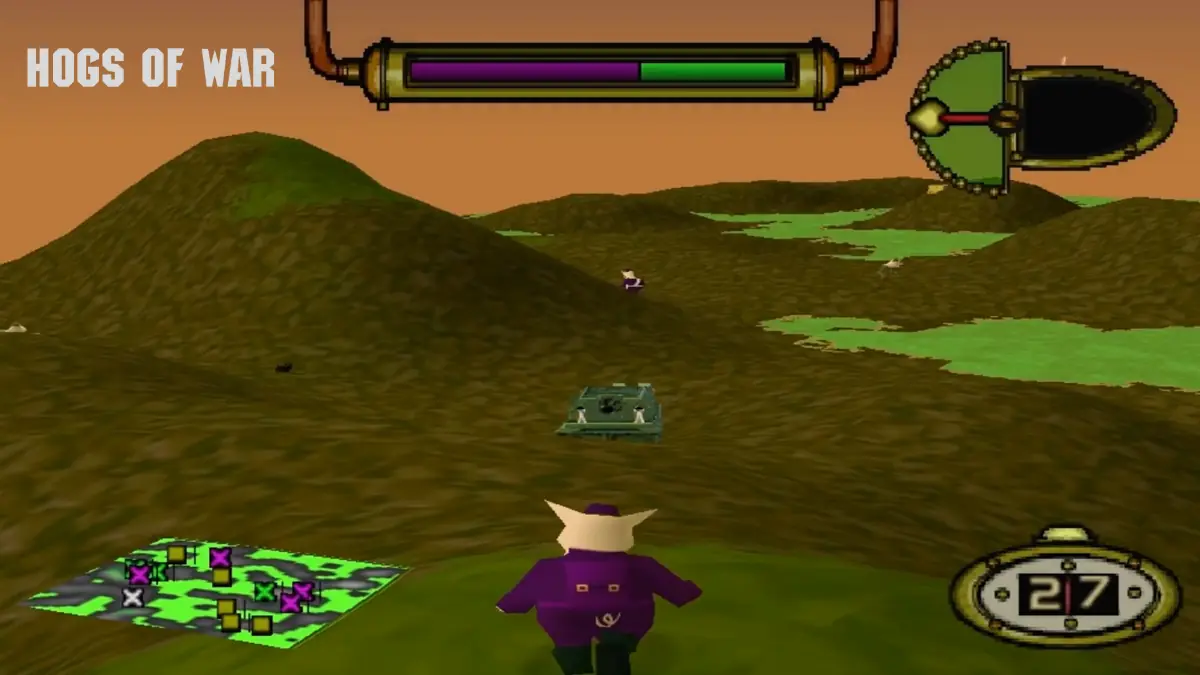
The pigs are ridiculous. The positioning, weapons, and class choices are surprisingly thoughtful.
What made it different: Turn-based 3D tactics wrapped in British comedy.
Why it faded: It arrived late in the PS1 generation and belonged to a niche genre.
Worth playing if: You like Worms, squad progression, and jokes delivered by Rik Mayall.
Hogs of War turns cartoon pigs into soldiers, places them on destructible 3D battlefields, and asks you to take the strategy seriously. Positioning matters, weapon choice matters, and the career mode lets units develop into specialized classes. Rik Mayall supplies the voice work, which keeps the campaign cheerfully absurd even while your squad is being reduced to bacon.
Its timing did it few favors. A turn-based tactics game released in 2000 had to compete with a new console generation and a genre that was already less visible than action or racing. The good news is that Hogs of War remains available on Steam. An official Hogs of War remaster is also in development, although no release date was confirmed when this article was checked.
3. Legend of Legaia (1999)
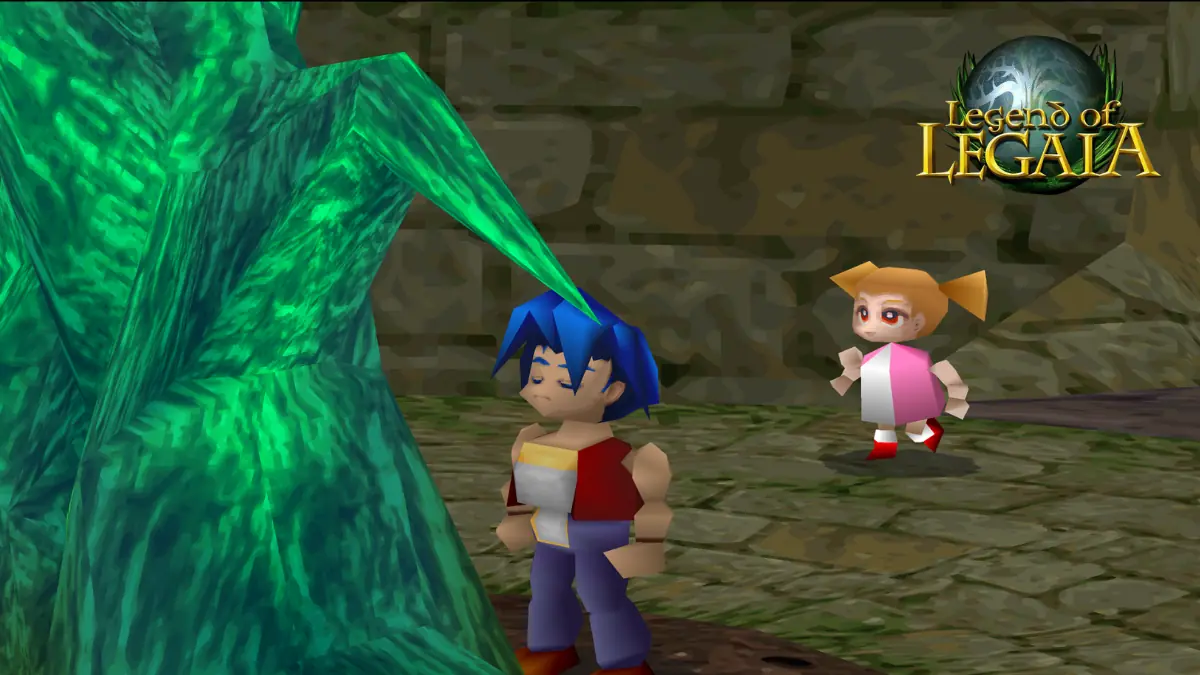
Legend of Legaia gives turn-based combat the rhythm of a fighting game.
What made it different: Directional inputs create martial-arts combinations during battle.
Why it faded: It launched into a crowded period for PlayStation RPGs.
Worth playing if: You want a traditional JRPG with combat that asks for more attention.
Legend of Legaia solves a familiar turn-based problem by making each attack feel constructed. You enter high, low, left, and right strikes, then watch the character combine them into Arts. Learning new sequences gives ordinary encounters a layer of discovery that a standard attack command cannot match.
The Mist-covered world gives the adventure a somber identity, but the game arrived while Final Fantasy, Suikoden, Wild Arms, and several other RPGs were competing for attention. A PlayStation 2 sequel followed, so Legaia was not immediately abandoned. It simply never gained the recognition needed to become a continuing name. The original still feels unusually hands-on for its genre.
4. Einhänder (1998)
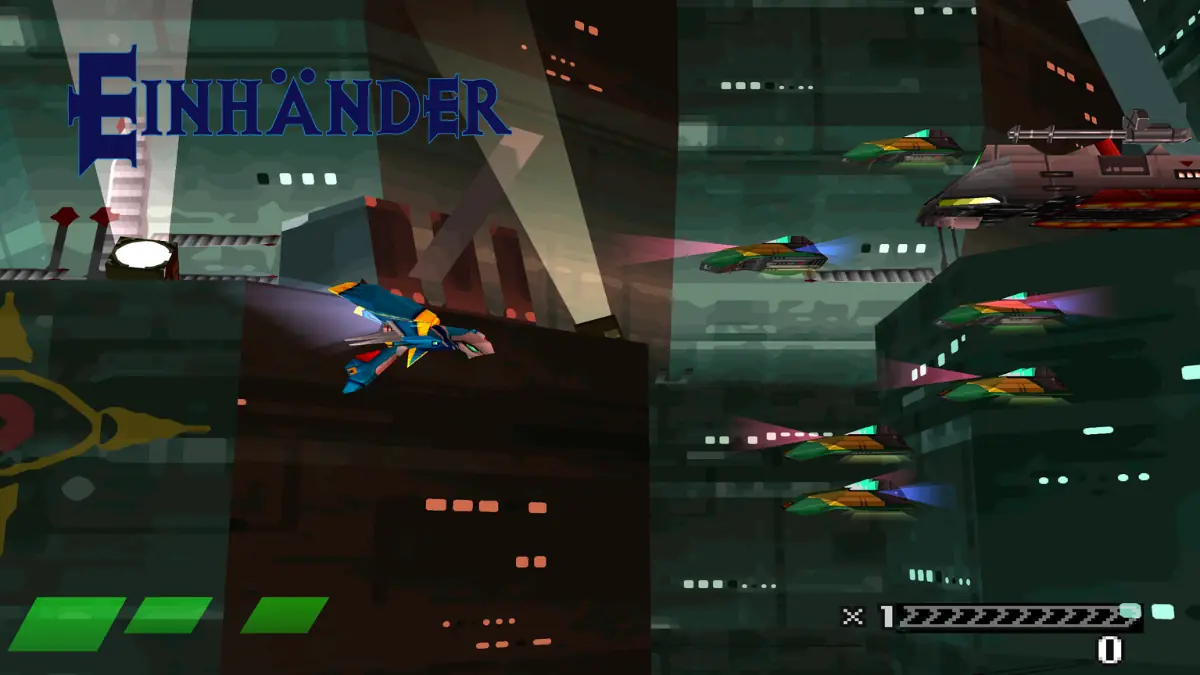
Einhänder makes every stolen weapon feel useful but temporary.
What made it different: Your ship can grab weapons from defeated enemies.
Why it faded: Console shooters were becoming niche, and Square never produced a sequel.
Worth playing if: You want a demanding shooter with exceptional audiovisual direction.
Einhänder looks like the kind of project Square could only have made while feeling invincible. It combines a side-scrolling shooter with cinematic camera movement, huge mechanical bosses, and a weapon system built around stealing limited-use gunpods from enemies. Choosing when to spend or preserve a weapon creates strategy inside the chaos.
The campaign is short and the difficulty expects practice, but both traits fit the arcade structure. Its larger problem was visibility. Square was known for RPGs, while shoot ’em ups were losing mainstream space on home consoles. Today Einhänder is often discovered through lists like this one. It also earned a place in my broader roundup of PS1 hidden gems worth playing.
5. Ghost in the Shell (1997)
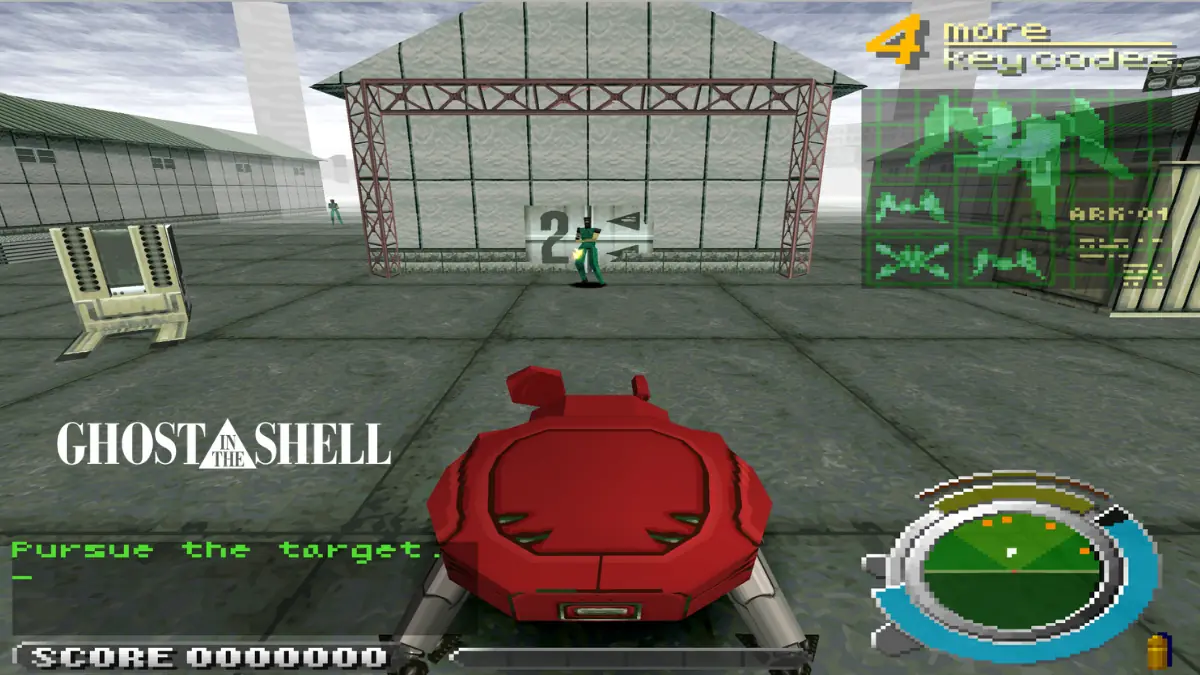
The Fuchikoma can climb walls and ceilings, turning each arena into a full 3D playground.
What made it different: A fast spider tank that can move across almost any surface.
Why it faded: It was tied to an anime license and never received a direct follow-up.
Worth playing if: You like experimental shooters and movement systems that ignore gravity.
Ghost in the Shell hands you a Fuchikoma and lets it scamper up walls, across ceilings, and around environments that would be flat corridors in most shooters. The freedom feels surprisingly modern. Movement becomes the main weapon because changing surfaces lets you evade fire and attack from impossible angles.
Production I.G created the animated sequences, and the English version reunited voice performers from the 1995 film, although the game tells its own story. That production value helped it stand out, but licensed games often disappear once their release window closes. This one deserves to be remembered for its mechanics rather than treated as a collectible attached to a famous name.
6. Jade Cocoon (1999)
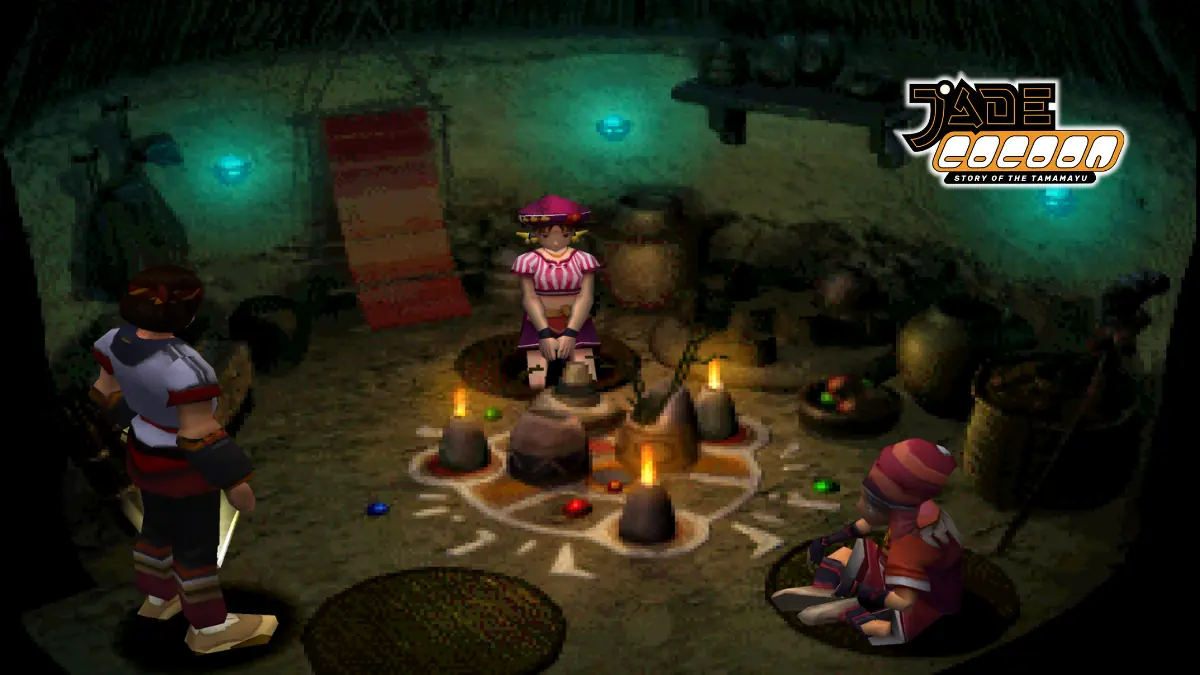
Jade Cocoon builds a darker monster-raising adventure around ritual, folklore, and fusion.
What made it different: Captured creatures can be fused into new forms.
Why it faded: Pokémon dominated the monster-raising conversation, while the sequel changed direction.
Worth playing if: You want monster collecting with a stranger and more somber atmosphere.
Jade Cocoon uses monster raising as part of a folklore-heavy RPG rather than a bright collecting adventure. Levant captures Minions, trains them, and fuses their traits into new combinations. The system can produce some wonderfully odd creatures, which is exactly what I want from a machine that combines monsters without asking whether nature approves.
The visual identity deserves careful credit. Genki collaborated with Katsuya Kondō, the character designer associated with Studio Ghibli films including Kiki’s Delivery Service and Ocean Waves. That does not make Jade Cocoon a Studio Ghibli game, but it helps explain the human warmth beneath its eerie forests. A PlayStation 2 sequel arrived in 2001, yet the series never grew beyond its small following.
7. Bloody Roar (1998)
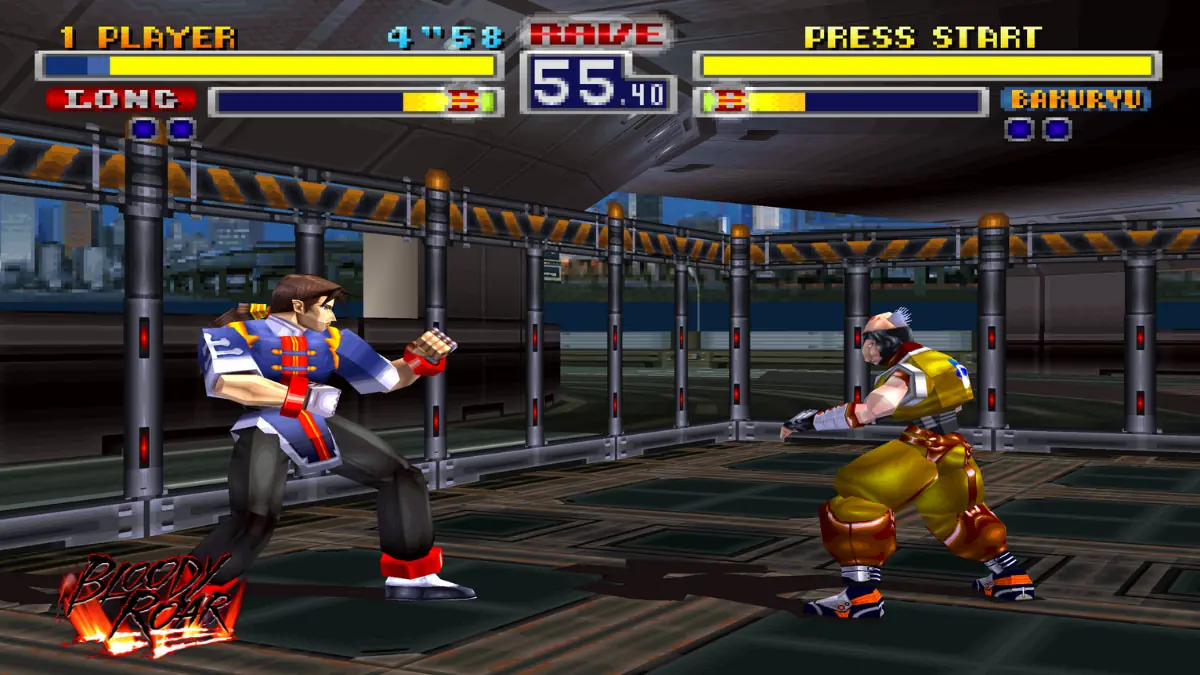
Every fighter can transform into a beast with new attacks and a much less subtle silhouette.
What made it different: Human fighters transform into animal forms during a match.
Why it faded: The series lasted through several sequels, then stopped after Bloody Roar 4.
Worth playing if: You prefer fast, readable fighters with a strong mechanical gimmick.
Bloody Roar gives every character a Beast form that changes reach, damage, movement, and available attacks. The transformation is instantly understandable, but it also creates real decisions around when to spend the Beast Gauge. You can enjoy the spectacle on the first match and start reading the strategy underneath it soon after.
The series did not vanish after one game. Multiple sequels followed across PlayStation, PlayStation 2, GameCube, and Xbox, with Bloody Roar 4 arriving in 2003. The silence since then is what makes the original feel forgotten now. Fighting games often survive through active communities and rereleases. Bloody Roar has had neither at a scale large enough to keep its name in front of new players.
8. The Misadventures of Tron Bonne (2000)
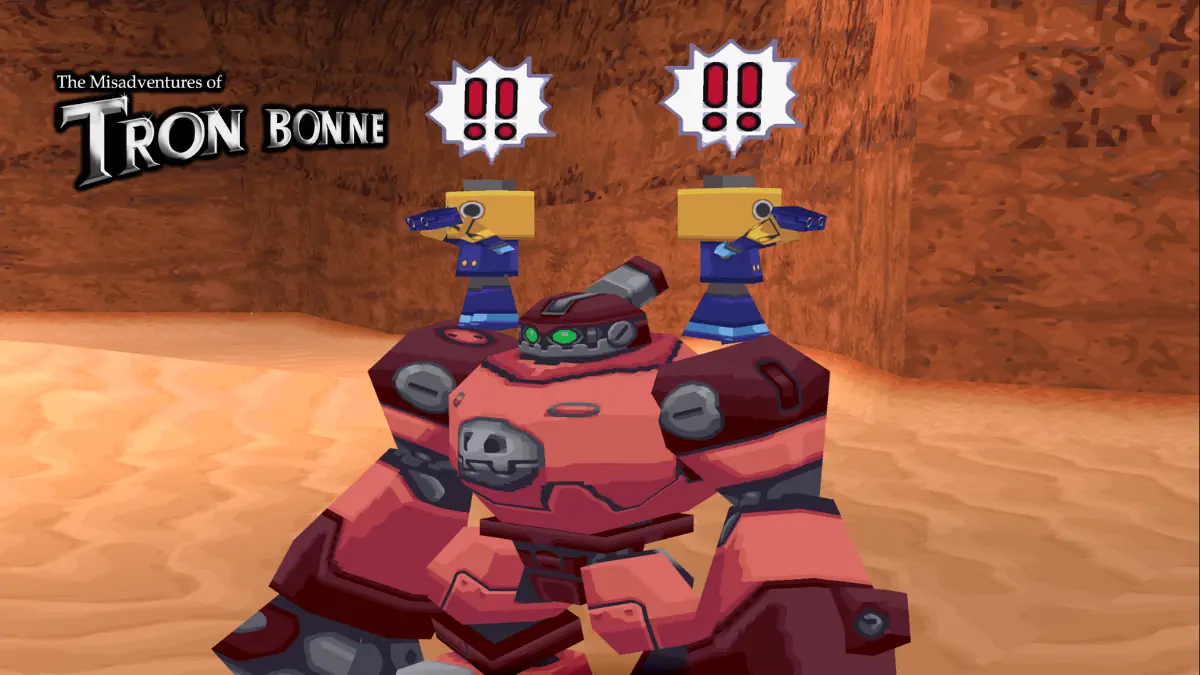
Tron Bonne makes her Servbots useful through training, assignments, and a great deal of shouting.
What made it different: Action, puzzles, exploration, and Servbot management share one campaign.
Why it faded: A limited North American release made the spin-off easy to miss.
Worth playing if: You love Mega Man Legends or games that refuse to stay in one genre.
The Misadventures of Tron Bonne lets the Mega Man Legends antagonist run the show. Her missions include action stages, puzzle work, exploration, and management sequences aboard the Gesellschaft. The Servbots have different abilities and personalities, so assigning and training them becomes more engaging than a menu full of identical helpers has any right to be.
Capcom says the North American edition arrived in 2000 with a limited run. It later became a PSone Classic for PS3, PSP, and PS Vita in 2015, which helped for a while without solving modern access. Its odd structure and excellent characterization make it an easy recommendation for anyone who agrees that Mega Man Legends deserved more.
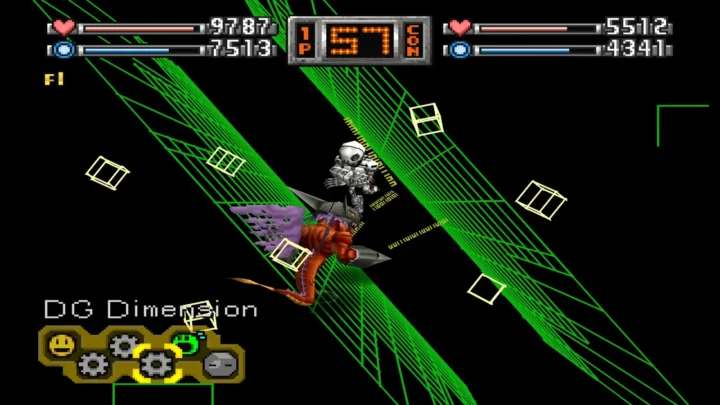
9. Omega Boost (1999)
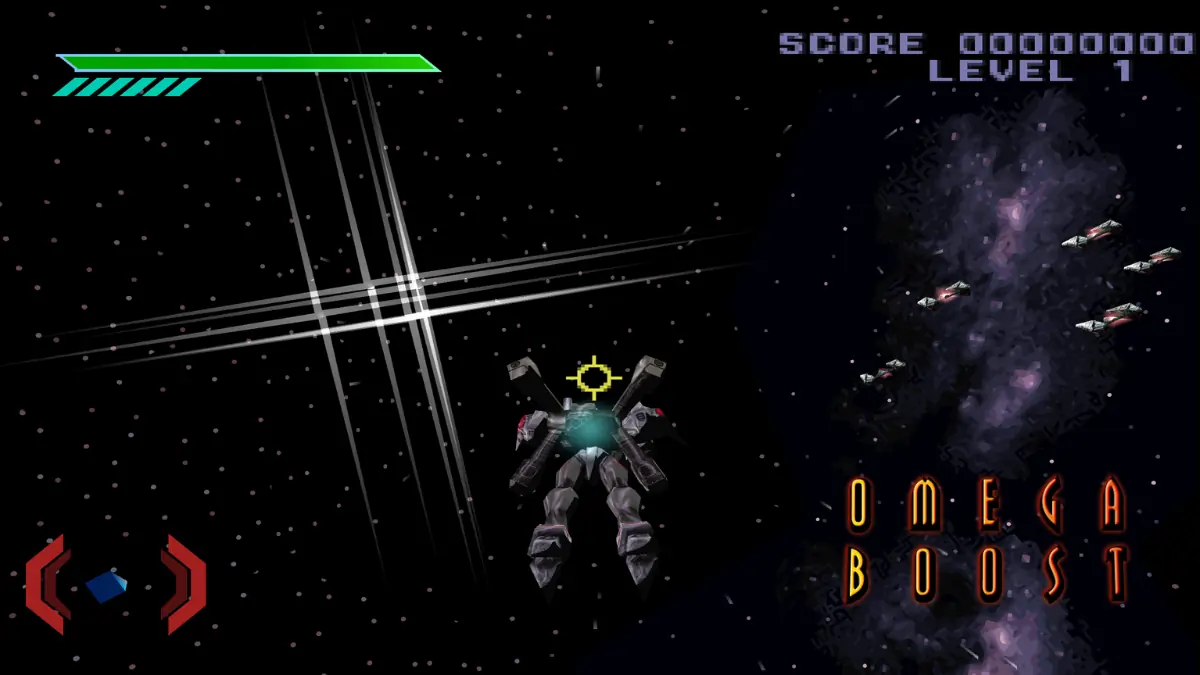
Omega Boost trades Polyphony Digital’s racing lines for missile trails.
What made it different: A fast 3D mech shooter from the studio behind Gran Turismo.
Why it faded: The short campaign ended without a sequel or franchise around it.
Worth playing if: You want lock-on combat, huge targets, and an unusual Polyphony Digital experiment.
Omega Boost is still Polyphony Digital’s great detour. Instead of shaving tenths from a lap time, you fly a transforming mech through space and lock missiles onto swarms of enemies. Shoji Kawamori contributed mechanical designs, giving the machine a pedigree that matches the game’s technical confidence.
The controls take adjustment because full 3D combat asks you to track threats across a wide field, but the spectacle holds up better than many early polygon shooters. The campaign ends quickly, and nothing followed it. Gran Turismo became an institution while Omega Boost became the strange answer to a trivia question about Polyphony Digital.
10. Incredible Crisis (2000)
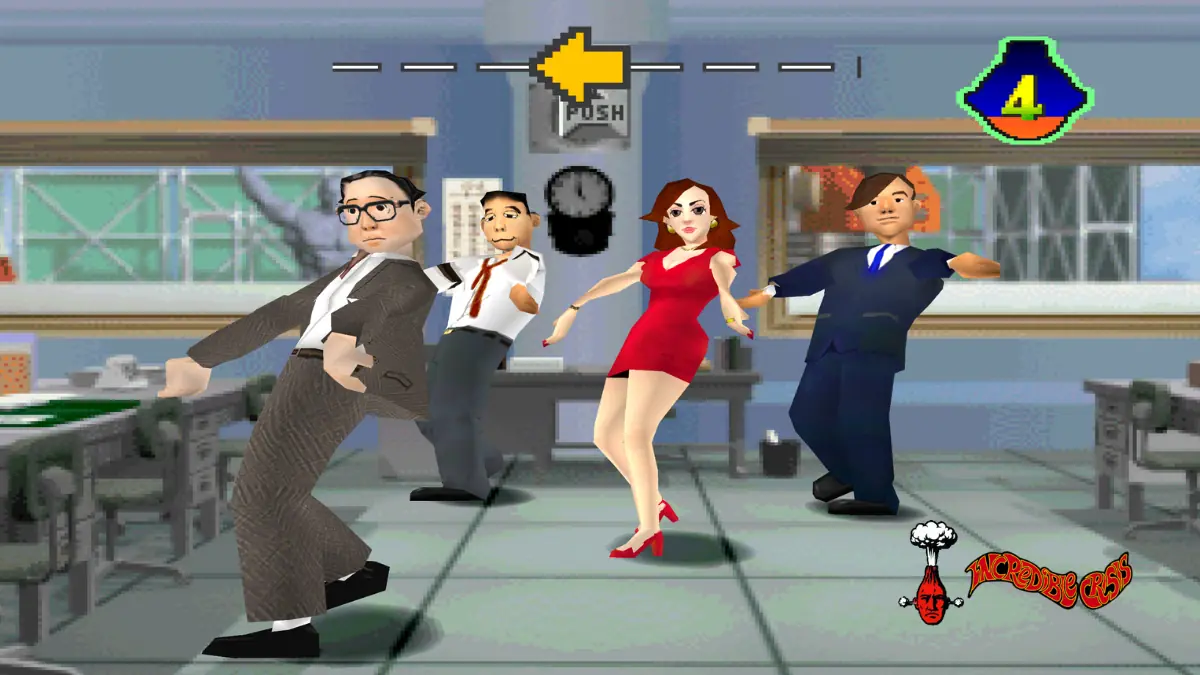
A mandatory office dance is only the beginning of the Tanamatsuri family’s terrible day.
What made it different: A family comedy told through frantic, mechanically unrelated minigames.
Why it faded: The format is difficult to market, and some challenges are brutally unforgiving.
Worth playing if: You enjoy absurd comedy and can tolerate repeating a minigame after one tiny mistake.
Incredible Crisis follows four members of the Tanamatsuri family as an ordinary day collapses into dance routines, runaway stretchers, bank robberies, explosions, and one increasingly unreasonable attempt to get home for Grandma’s birthday. Each scene becomes a different minigame, so the rules keep changing as quickly as the situation.
The soundtrack by Tokyo Ska Paradise Orchestra gives the chaos its pulse. Some sections are far harsher than the joke suggests, especially when a long sequence must be repeated, but the game commits completely to its absurdity. The North American release arrived in 2000 and removed two language-dependent minigames from the Japanese version. Even in slightly reduced form, nothing else on the PS1 feels quite like it.
Frequently Asked Questions
Are these PS1 games really forgotten?
Some are well known among collectors and dedicated retro players. “Forgotten” describes their limited presence in current mainstream discussion, official rerelease programs, and active franchise plans. The list is an editorial judgment, not a measurement of every player’s memory.
Which game is easiest to play legally in 2026?
Hogs of War is the easiest because the PC version remains available on Steam. Most of the others require an original disc and compatible hardware, or access to an older digital purchase on supported legacy systems. If you already own discs and need a practical setup, start with my beginner’s guide to playing PS1 games in 2026.
Are forgotten PS1 games the same as hidden gems?
The categories overlap, but they are not identical. A hidden gem is usually a good game that received too little attention. A forgotten game may have been successful, flawed, or part of a real series before disappearing from the wider conversation. Blasto is historically interesting despite its rough design, while Einhänder fits both labels easily.
Why These Forgotten PS1 Games Still Matter
The most interesting thing about these forgotten PS1 games is how clearly each one reflects a different possibility. Legend of Legaia made menu combat feel physical. Ghost in the Shell treated walls as roads. Tron Bonne mixed several genres because nobody had convinced it to behave.
Several entries are imperfect, and Blasto occasionally feels like a test of whether nostalgia can operate a camera. That roughness is part of the history. The PS1 library grew memorable because developers were allowed to make specific, risky games before every successful idea had to become a permanent content pipeline.
If you want a second list with a stricter focus on quality, continue with my 10 PS1 hidden gems you need to play. Between the two articles, you will find plenty of reasons to keep a memory card nearby.

Defining forgotten as games that have dropped out of the current conversation rather than games nobody knows is a sensible way to frame the list, and the tactical war game starring pigs is a perfect example of early 3D developers still inventing the rules. It is fun to see Polyphony Digital’s side project included too. I run recompgames.net, a catalog of recompiled games and native ports, and lists like this are a great way to rediscover overlooked PS1 games.