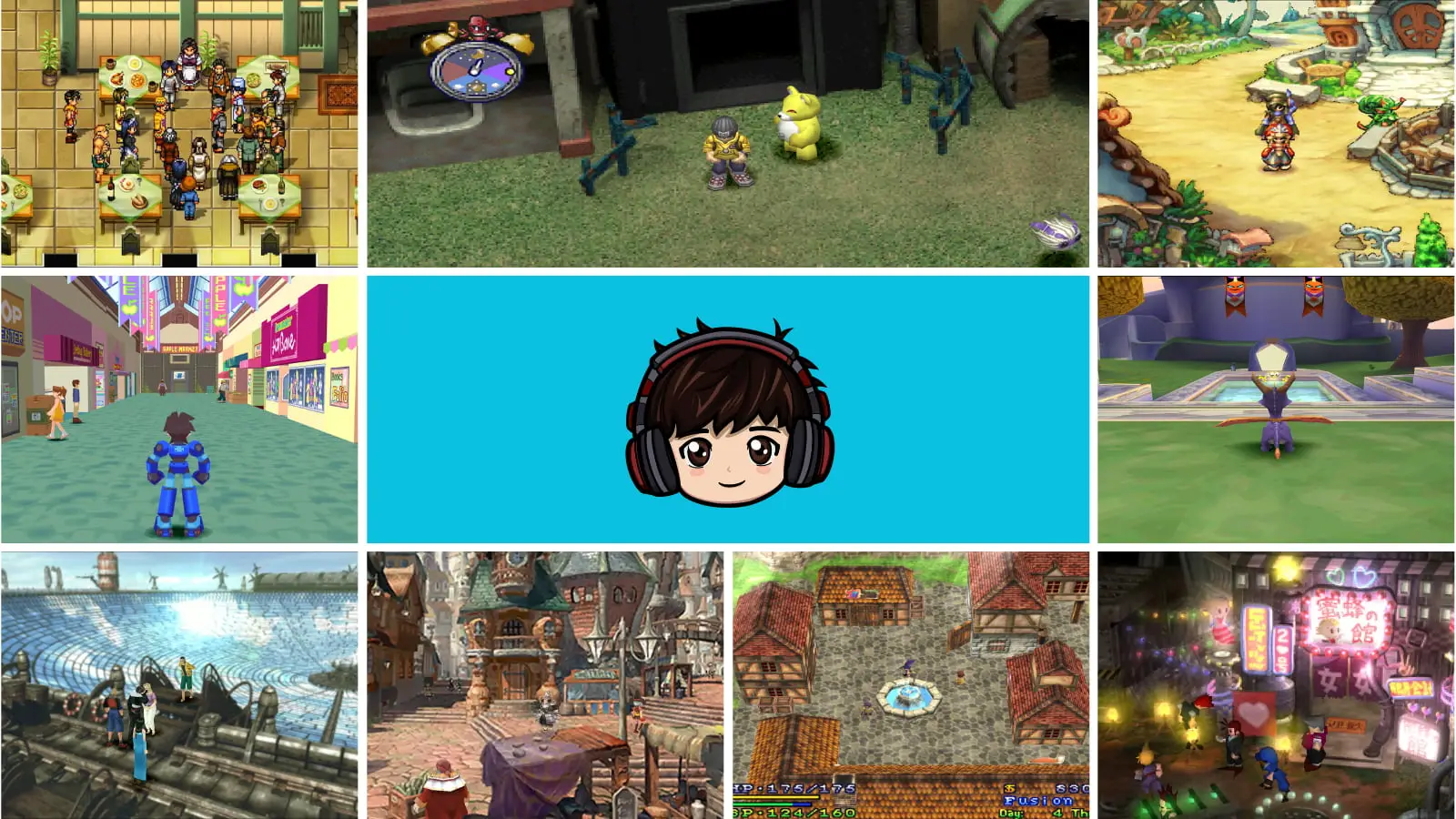
Boss fights tested you. Hubs held you. Some of my strongest PlayStation memories are not fights, endings, or giant reveals. They are places. File City slowly filling with Digimon. Apple Market while I kicked the same can around instead of progressing. Autumn Plains when I realized gliding in circles was somehow enough.
The best PS1 hub worlds and cities did more than connect levels. They gave long adventures somewhere to breathe. You returned for supplies, music, familiar NPCs, or simply because being there felt good. These are the ten PS1 places that still feel the most like temporary homes to me.
How I ranked them: This is not a list of the biggest cities or the hubs with the most features. I care about atmosphere, how often the game gives you a reason to return, how the place changes around you, and whether I ever wandered around for no reason other than I was not ready to leave yet.
Last checked: August 21, 2026. I rechecked the game-specific details in this list, including File City recruitment rewards, Domina’s Land Make placement, Grillin’ Village routines, Fishermans Horizon’s pacifism, Lindblum’s Festival of the Hunt, and Shevat’s history.
Best PS1 Hub Worlds and Cities at a Glance
| # | Hub | Game | Why I Remember It |
|---|---|---|---|
| 1 | File City | Digimon World | You physically build the community by recruiting Digimon |
| 2 | Domina | Legend of Mana | A watercolor hometown you literally place onto the world |
| 3 | Apple Market | Mega Man Legends | Shopping, upgrades, residents, and one extremely kickable can |
| 4 | Grillin’ Village | Brave Fencer Musashi | Daily schedules make the town feel alive |
| 5 | Fishermans Horizon | Final Fantasy VIII | A deliberately pacifist pause in a story full of conflict |
| 6 | Dunan Castle | Suikoden II | Your growing army becomes a growing home base |
| 7 | Lindblum | Final Fantasy IX | A huge city with districts, air cabs, shops, and its own rhythm |
| 8 | Wall Market | Final Fantasy VII | Chaotic, uncomfortable, funny, and completely unforgettable |
| 9 | Autumn Plains | Spyro 2: Ripto’s Rage! | The hub where movement itself became the activity |
| 10 | Shevat | Xenogears | A floating refuge carrying five centuries of history |
Some of these games also show up in my PS1 hidden gems list and my PS1 games that shaped modern gaming. This list is different. I am not asking which game mattered most. I am asking where I would still stop walking and stay for a while.
1. File City — Digimon World
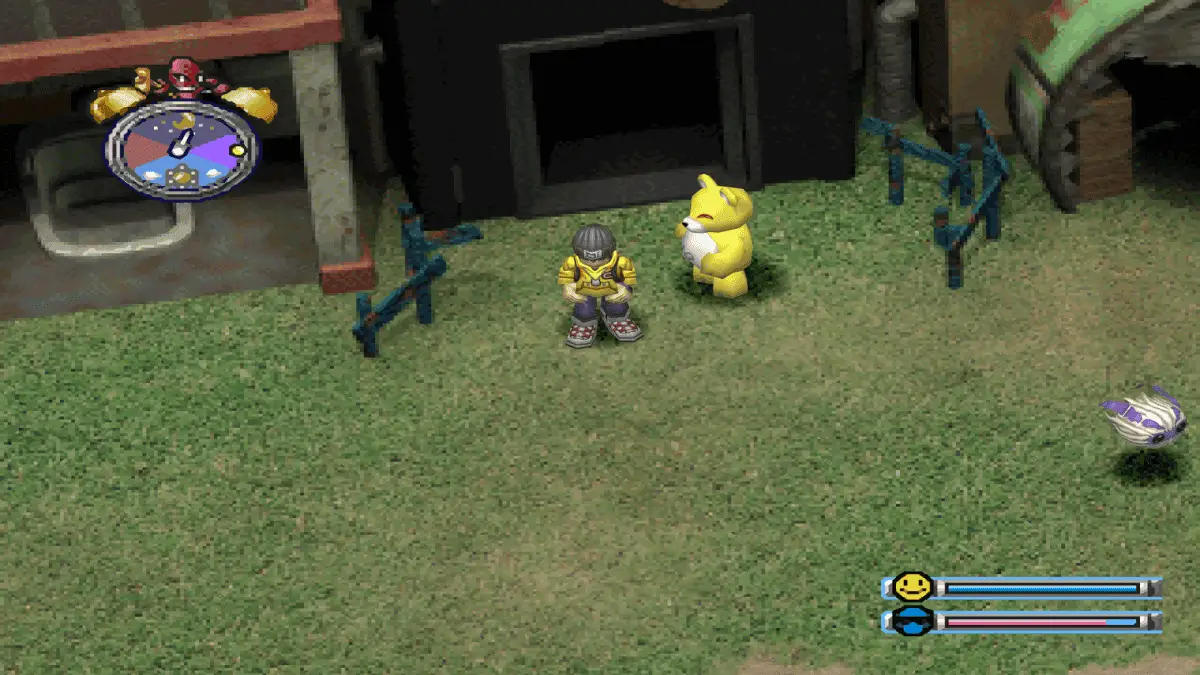
File City starts almost empty. Jijimon is there, the meat farm is there, and a few tiny Digimon are hanging around, but most of the city feels like an outline waiting to be filled in. Then you start bringing Digimon home.
Agumon opens the Item Bank. Birdramon gives you transport across File Island. Centarumon opens a clinic. Other recruits build shops, improve the gym, open an arena, start a restaurant, and occupy spaces that used to feel dead. The city does not just tell you that you are making progress. It looks more alive every time you return.
That is why File City is number one for me. You leave because the game pushes you outward, then return to see whether the place you are protecting has changed. Every rescued Digimon makes home feel slightly more complete.
2. Domina — Legend of Mana
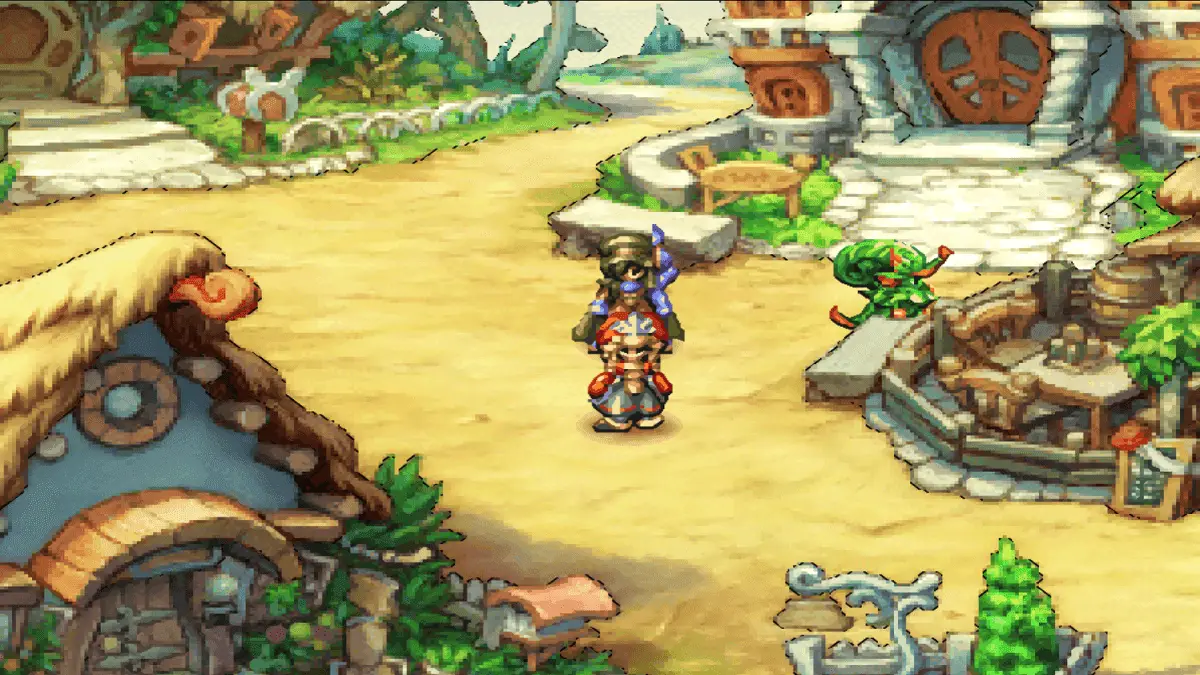
Legend of Mana opens with an almost empty world map. After placing your Home, the Colorblocks Artifact lets you create Domina, the first town the game sends you into. That alone makes the place feel different. You did not discover Domina on a map. You put it there.
Square Enix still describes Legend of Mana’s Land Creation system around that exact idea: artifacts bring towns and dungeons into the world wherever you choose to place them. Domina becomes the friendly face of that system, full of merchants, performers, side stories, and watercolor streets that look like somebody painted a hometown from memory.
It is cozy because the world around it feels handmade, but it is even cozier because some part of that world really was made by you.
3. Apple Market — Mega Man Legends
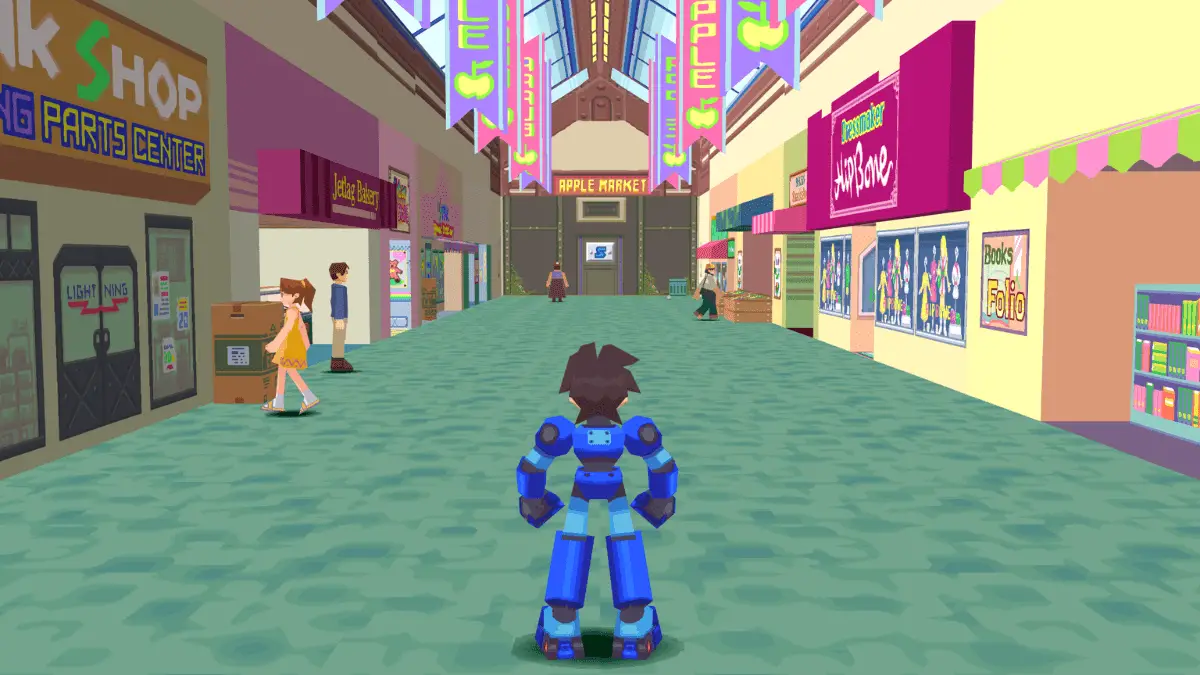
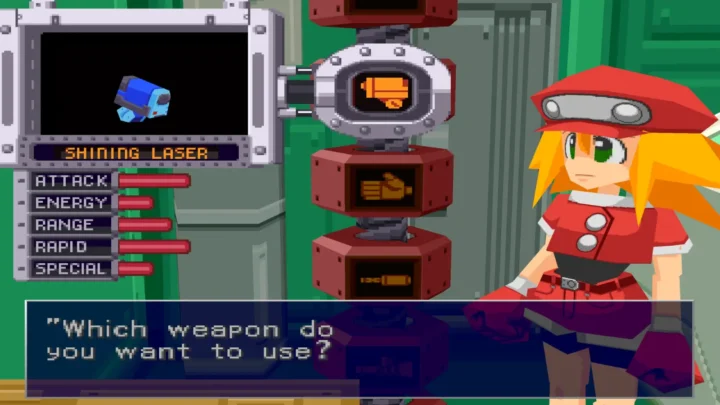
Apple Market felt like the mall I grew up visiting every weekend. The bookstore, bakery, record shop, electronics store, Junk Shop. You could walk the strip, talk to people, check prices, and spend far more time than necessary pretending you were definitely going to buy something.
And then there was the can. Kick it behind the counter at Jetlag Bakery and the game gives you 1,000 Zenny. It is such a stupid little interaction, and that is exactly why I remember it. Mega Man Legends filled Kattelox with tiny things that made the island feel less like a level and more like somewhere MegaMan happened to live.
Apple Market was where you spent your allowance. When money was tight, you learned to savor the looking almost as much as the buying.
4. Grillin’ Village — Brave Fencer Musashi
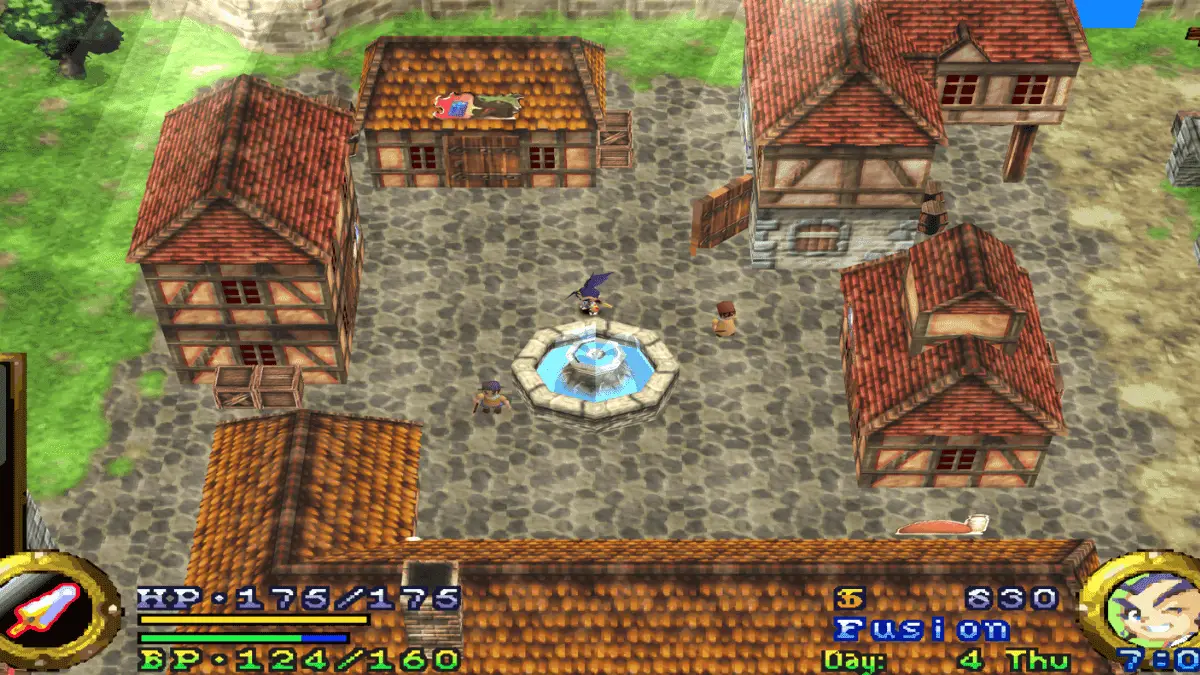
Grillin’ Village had a rhythm that a lot of PS1 towns only pretended to have. Time passed. Shops opened and closed. People moved through routines. If you arrived at the wrong hour, the town did not rearrange itself around your quest marker. You waited.
That small inconvenience did something important: it taught you the town. The bakery, inn, restaurant, grocery, pawn shop, toy store, and residents started becoming familiar because you interacted with them on their schedule instead of yours.
So when the Vambee crisis disrupts the village, it feels personal. The buildings are still there, but the everyday rhythm that made them feel safe is gone. If you have never played it, Brave Fencer Musashi is also one of the games on my PS1 hidden gems list. This town is a big reason why.
5. Fishermans Horizon — Final Fantasy VIII
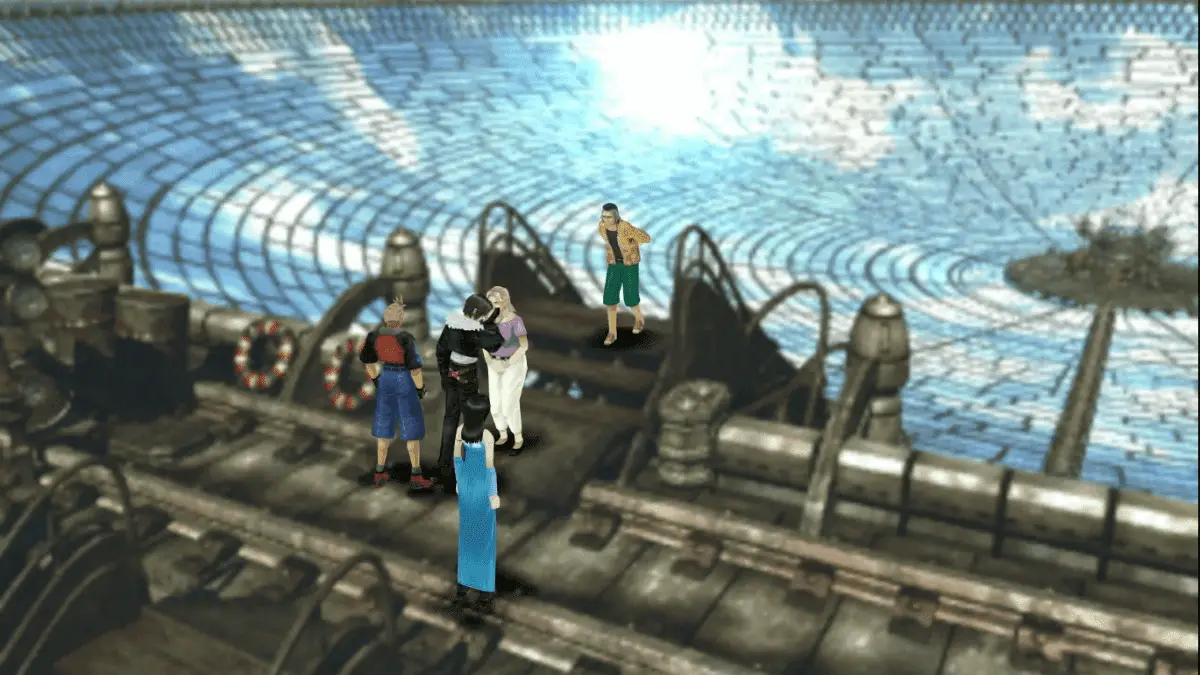
You move differently in Fishermans Horizon because the place asks you to. The walkways stretch across the old transcontinental bridge, the music settles down, and the residents have built an entire identity around refusing violence.
That pacifism is not just background decoration. Mayor Dobe wants SeeD gone because he believes their presence attracts conflict, and the town’s ideals get tested almost immediately when Galbadian forces arrive. FH is peaceful, but the game never lets that peace become effortless.
Then the party ends up performing a concert while Garden is being repaired nearby. After prisons, missiles, assassinations, and military schools, you get music on a quiet horizon. The contrast is the whole point. This is the place where Final Fantasy VIII briefly remembers nobody can live at maximum plot speed forever.
6. Dunan Castle — Suikoden II
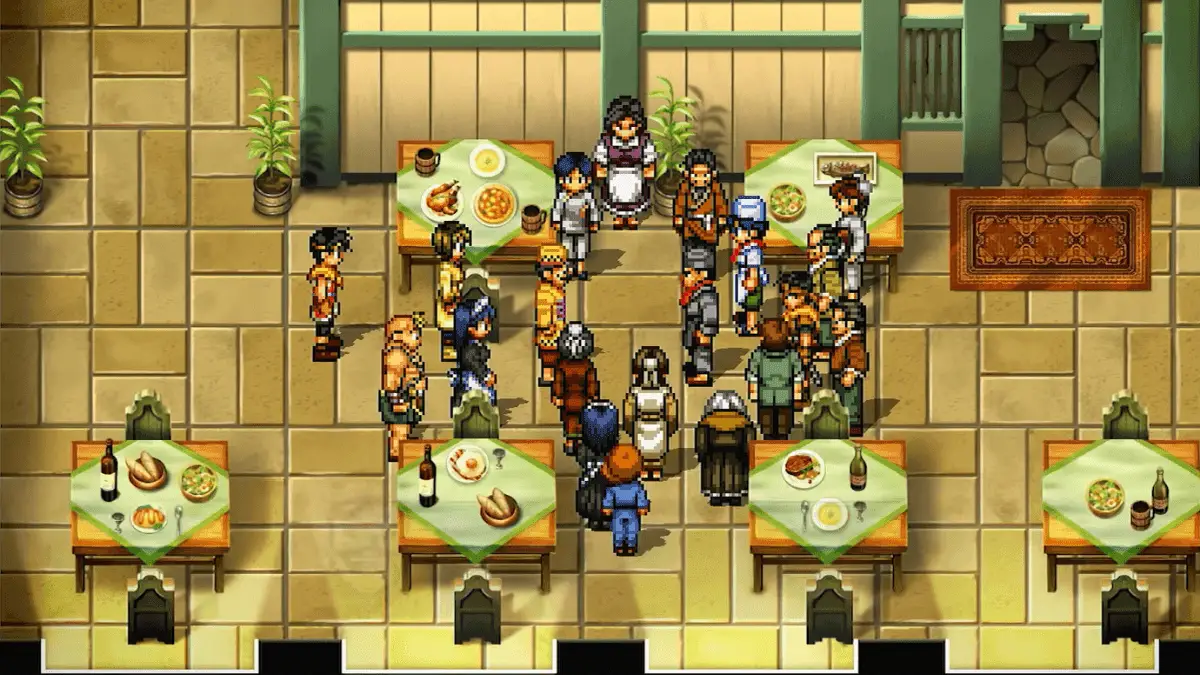
Suikoden II takes the same emotional trick as File City and scales it up to an army. Your headquarters begins as a place with empty rooms and potential. Then the Stars of Destiny start arriving.
The castle expands, new rooms open, shops appear, the bath becomes useful, Hai Yo can run the restaurant, and recruited characters settle into their own corners of the building. Konami’s current Suikoden system overview still describes the home base around this exact loop: recruit allies, bring them home, and watch them take on roles there.
Walking the halls becomes a form of reassurance. These are the people you found out in a world at war, and here they are eating, working, arguing, bathing, cooking, and somehow making a castle feel domestic.
7. Lindblum — Final Fantasy IX
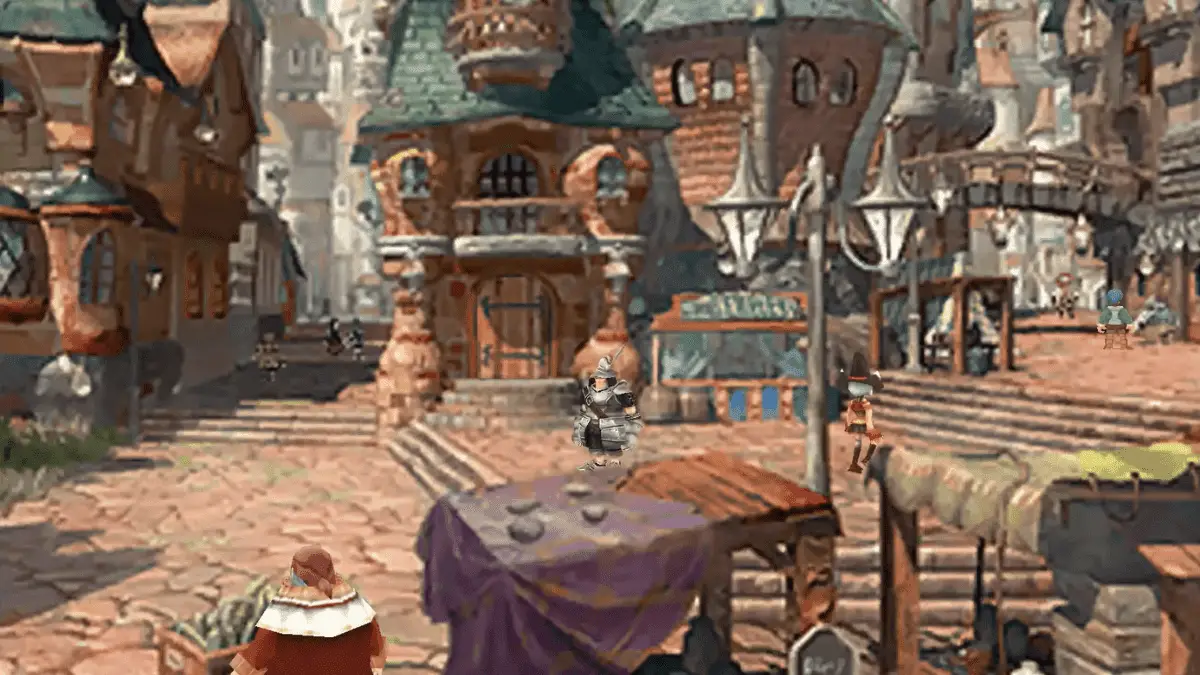
Lindblum was one of the first PS1 cities that made me feel small inside the world instead of centered inside it. The Business, Industrial, and Theater districts have their own shops, residents, and little routines, and air cabs move you between them like the city has infrastructure that existed long before the player showed up.
That scale is why the Festival of the Hunt works so well. The game deliberately releases monsters into the city and turns those familiar streets into a timed competition. Suddenly the districts you were casually browsing become a route you are optimizing for points.
Lindblum feels alive because it is allowed to change function without losing its identity. Shop here. Get lost here. Hunt monsters here. Come back later and see what war has done to it. The city belongs to the world first and the player second.
8. Wall Market — Final Fantasy VII
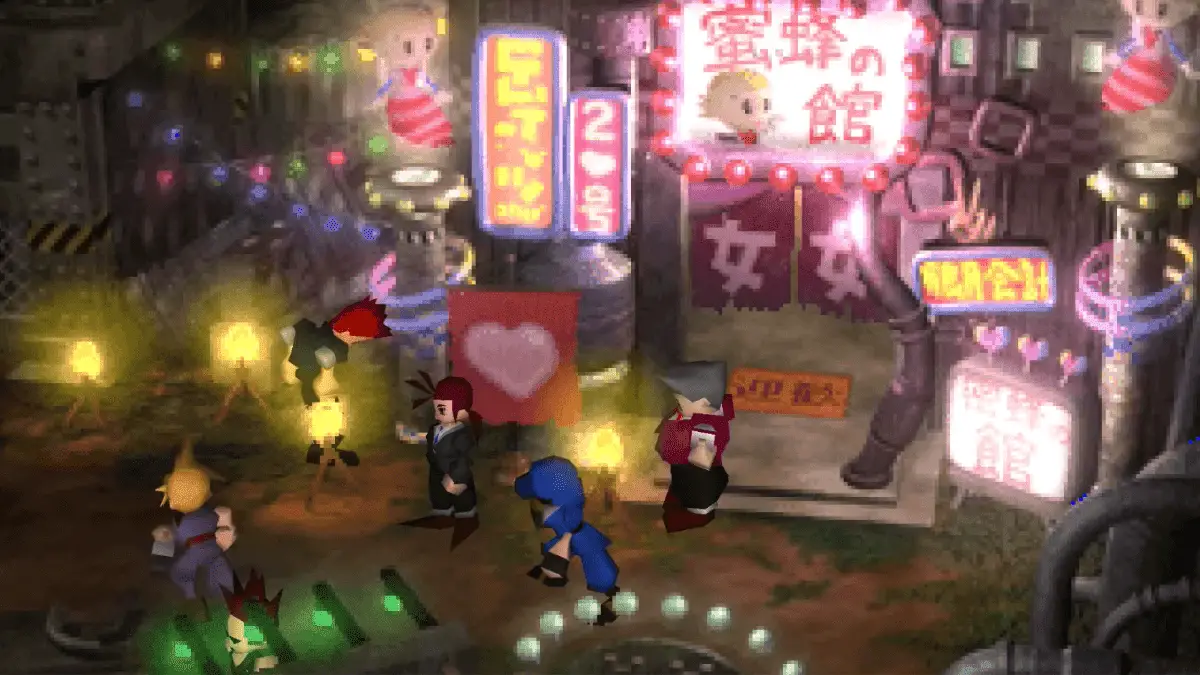
Wall Market breaks almost every rule the other places on this list follow. It is noisy, strange, a little dangerous, and not especially interested in making Cloud comfortable.
That is exactly why it works. The Sector 6 market is packed with shops, a diner, an inn, a gym, the Honey Bee Inn, Don Corneo’s mansion, and the entire disguise sequence that sends you running back and forth through the district. The place becomes memorable because the quest makes you learn it.
Some hubs comfort you. Wall Market overwhelms you until the chaos becomes familiar. Emotional attachment does not always come from safety. Sometimes it comes from knowing exactly which weird building you need to walk into next.
9. Autumn Plains — Spyro 2: Ripto’s Rage!
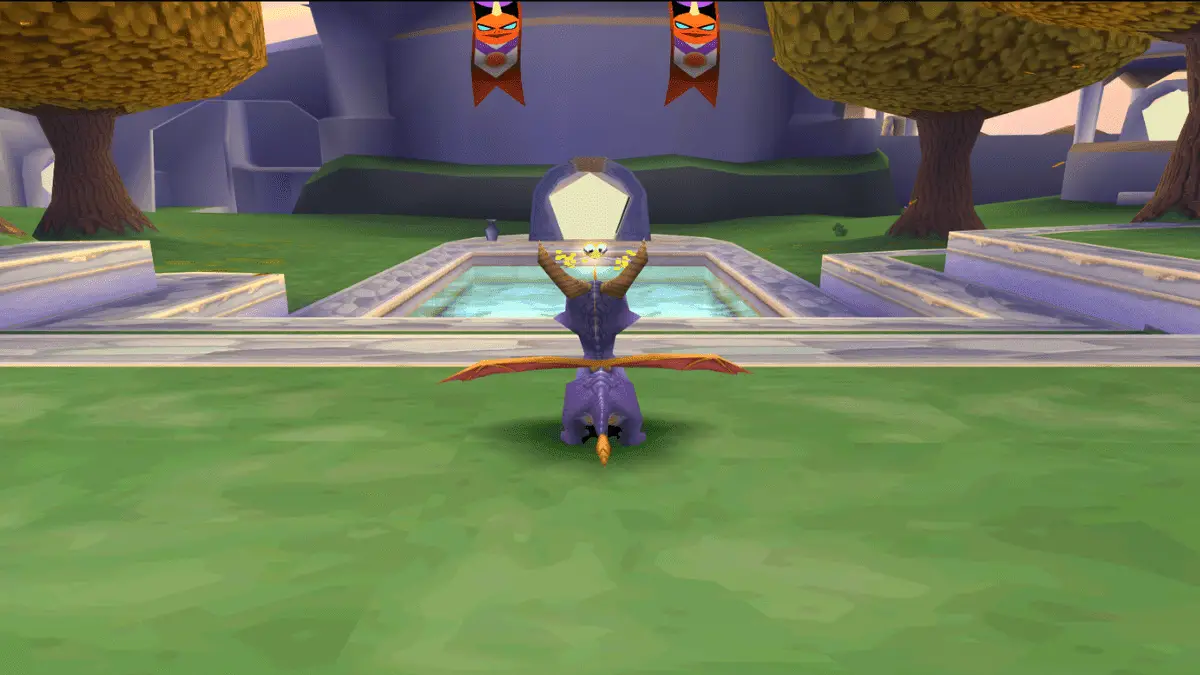
Autumn Plains is the only hub on this list where doing nothing still feels like moving.
The second homeworld in Spyro 2 is full of towers, castle walls, bridges, hidden ledges, and enormous drops that exist mostly to ask one question: “Can I glide over there?” You circle structures because the physics themselves are entertaining. A hub that should be connective tissue becomes a playground.
That is what separates it from the other peaceful places here. Fishermans Horizon makes me want to slow down. Domina makes me want to look around. Autumn Plains makes me want to move for no reason at all. The traversal is the activity.
10. Shevat — Xenogears
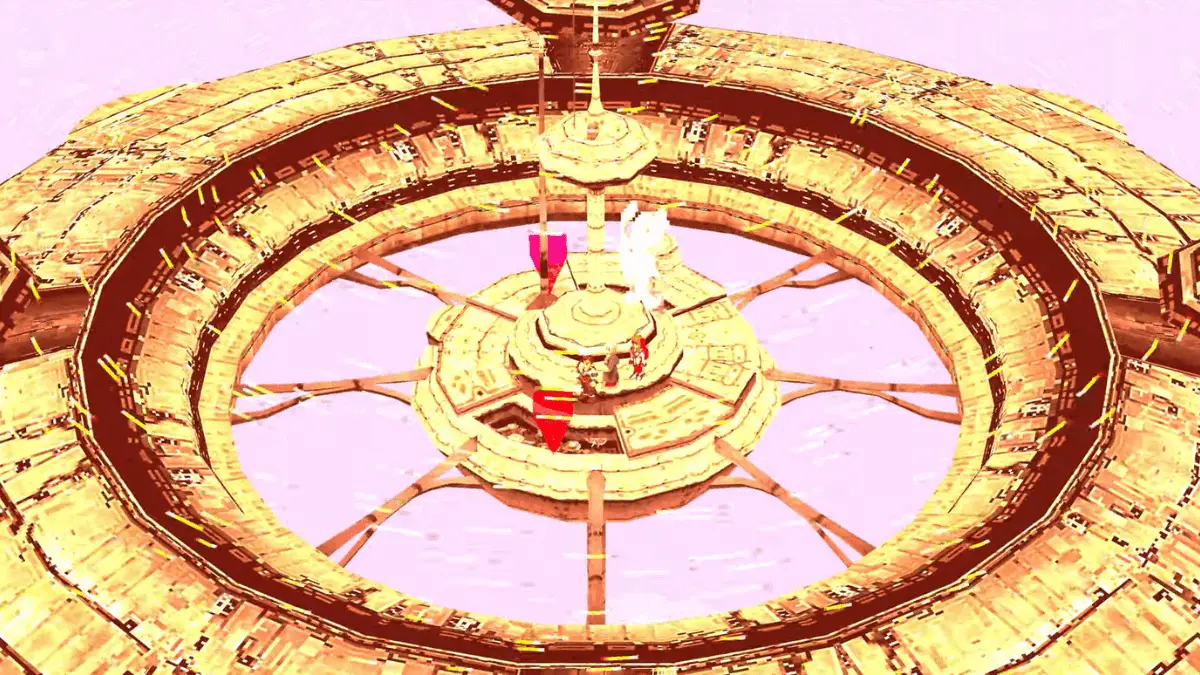
Shevat does not feel built as much as revealed. After so much time on the surface, you reach a hidden nation floating above the world, protected from Solaris and carrying the memory of a war from roughly five hundred years earlier.
Queen Zephyr is the key to the mood. She tells the party she has lived for more than five centuries and remembers the old conflict personally. That history gives Shevat a weariness the prettier hubs on this list do not have. It is a refuge, but it knows exactly what refuge costs.
I used to spend more time there than I needed to. The music, the height, the strange stillness. It felt like the adventure had climbed so far above everything else that the game itself needed a moment to look down.
PS1 Hub Worlds FAQ
What is a hub world in a video game?
A hub world is a central area you repeatedly return to between levels, missions, or larger parts of an adventure. Some hubs are functional menus you can walk around. The best ones become places with shops, characters, secrets, progression, or atmosphere that make returning feel meaningful.
What is the best PS1 hub world?
File City from Digimon World is my pick. Recruiting Digimon physically changes the town and adds services, so your progress through the game becomes visible every time you return home.
Which PS1 hub is the coziest?
For pure atmosphere, I would pick Domina from Legend of Mana or Fishermans Horizon from Final Fantasy VIII. If “cozy” means a place I could move around forever without needing an objective, Autumn Plains wins.
How can I play these PS1 games in 2026?
Availability varies by game. Original hardware and legally backed-up discs through emulation remain options, while some titles have remasters or modern rereleases. My guide to playing PS1 games in 2026 compares the main routes. If you use DuckStation, my DuckStation settings guide covers the visual options without turning every PS1 game into polished plastic.
Why We Remember the Places Between the Battles
Boss fights measure your reflexes, preparation, or patience. Hubs give all of that somewhere to land.
They are where long play sessions exhale. Where you buy supplies after barely surviving. Where the same NPC is standing in the same corner. Where you wander because you forgot what to do next, then realize you do not particularly mind being lost.
That is why these places stayed with me. File City grew because I helped it. Apple Market turned window shopping into an activity. Autumn Plains made movement enough. Shevat made peace feel heavy instead of empty.
We remember battles because they pushed us forward. We remember hubs because they let us stay.