Getting stuck on the PS1 was a different kind of helplessness. There were no YouTube walkthroughs, wiki pages, or Discord servers waiting to rescue you. It was just you, a chunky CRT television, and whatever rumor your friends swore was true at recess.
The original PlayStation arrived before instant answers became normal. As the games grew more ambitious, their tutorials did not always keep up. Some systems were barely explained. Others seemed to expect every child to own a strategy guide and a minor degree in menu navigation.
These are ten PS1 puzzles and mechanics that made me question my intelligence as a kid. If the surrounding rituals are what you remember most, my collection of PS1 memories we buried may unlock a few more things your brain quietly saved.
About this list: This is a personal retrospective, not an objective ranking of the hardest puzzles ever made. I understand most of these systems now. Childhood me deserves no such credit.
Updated: August 18, 2026. The confusion has been preserved for historical accuracy.
Table of Contents
1. Final Fantasy VIII Junction System
Final Fantasy VIII introduced me to Guardian Forces, drawing magic, junctioning spells, and the uncomfortable idea that using my strongest magic could also weaken my stats.
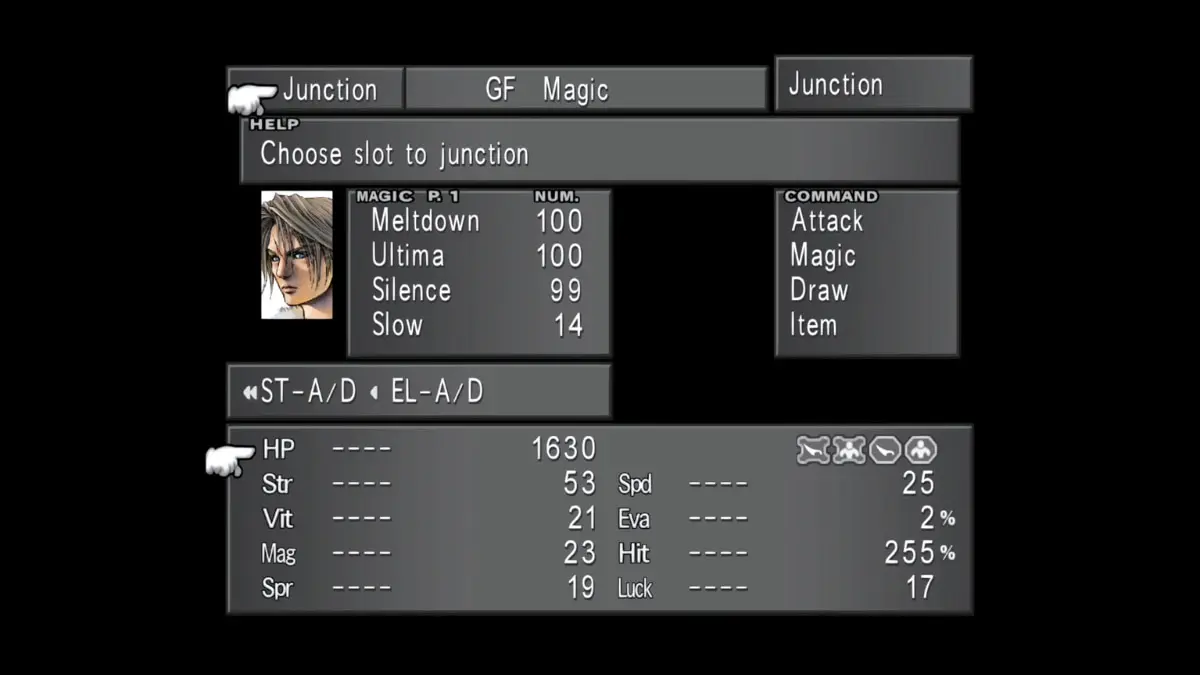
None of this made any sense to me at all.
- Junction Guardian Forces to characters
- Draw magic from enemies and store up to 100 of each spell
- Attach stored spells to stats such as Strength, HP, Magic, or Defense
- Use magic and reduce the stock supporting those stat bonuses
- Fight enemies whose levels scale alongside the party
I sat in those menus staring forward blankly, asking questions such as, “Why does Draw give me more Fire spells?” and “Why is my strength tied to how many Cures I have?” Junction, GF, and Draw all sounded like terminology from three different games. I assumed everything I touched was wrong.
Then the enemies became stronger as I leveled, and I genuinely wondered whether my disc was broken. It was not. I checked. Years later, I finally realized that the system was not impossible. It simply expected far more experimentation than childhood me was prepared to provide.
2. Digimon World Evolution System
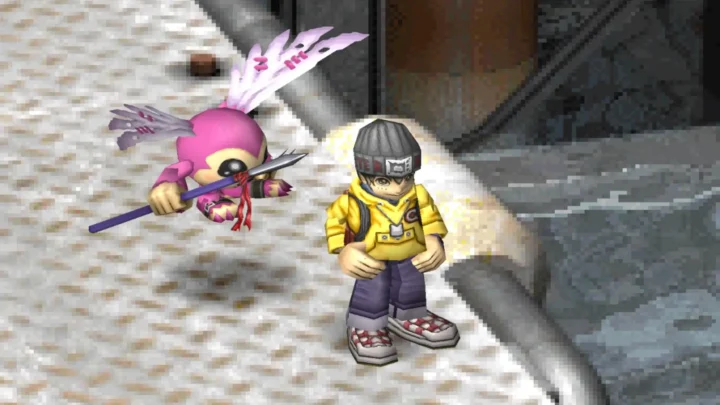
Digimon World quietly judged how I fed, trained, rested, and cleaned up after my partner. I did not know there was a hidden report card. I only knew Numemon kept arriving.
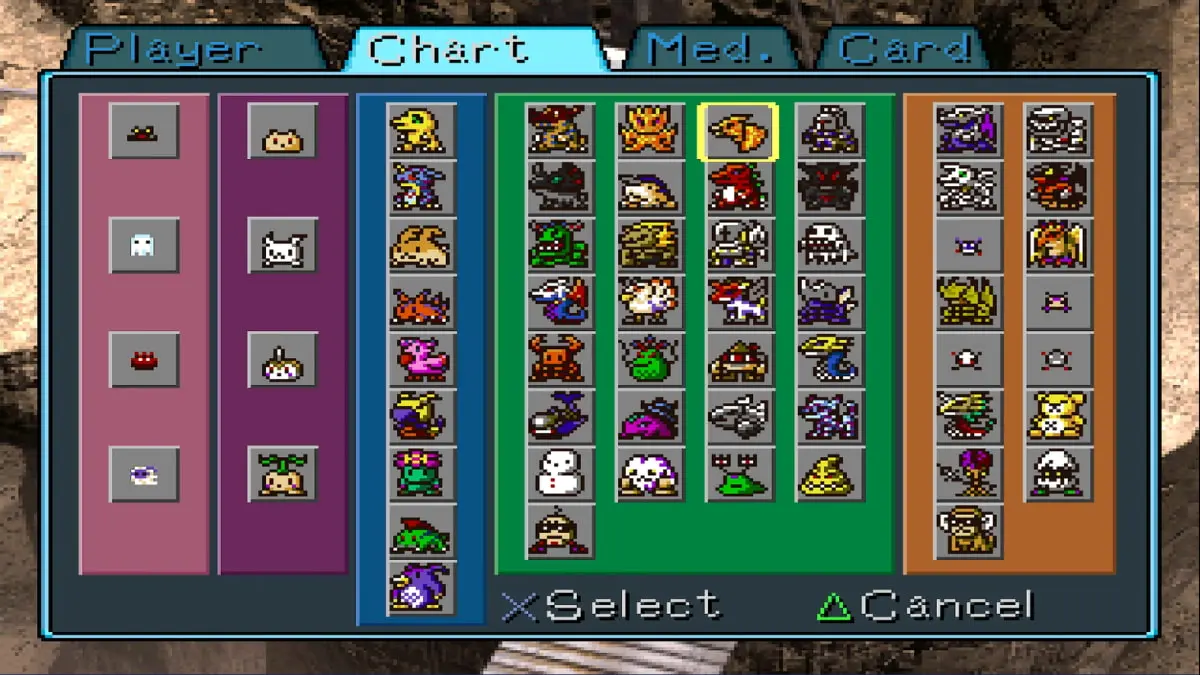
There were so many Digimon to unlock. I knew how to reach approximately two of them.
- Hidden stat requirements for different evolutions
- Care mistakes tied to hunger, sleep, illness, and the bathroom
- Training choices that changed the partner’s development
- Weight and battle requirements the game barely surfaced
- Numemon and Sukamon waiting whenever everything went sideways
My confidence plummeted while playing this game. I felt like the world’s worst digital parent. Every missed cue pushed my partner closer to an evolution I did not expect, but I never connected the result to my care. I assumed I was unlucky.
The poop mechanic terrified me most. My beautiful Digimon could suddenly become a yellow pile of living trash, though I still loved him. Every evolution cutscene brought the same question: “What did I do wrong now?” Learning the formulas as an adult was fascinating and deeply relieving.
3. Mega Man Legends Sub-Cities
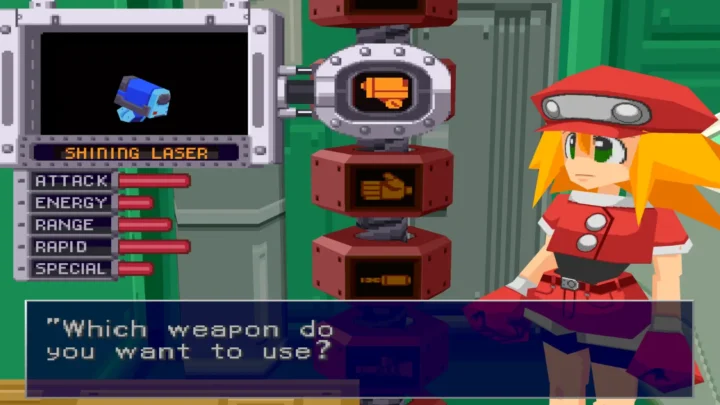
Kattelox Island felt enormous because it rarely stopped to tell me where I belonged. Activating Sub-Cities, finding keys, revisiting ruins, and triggering the next event required the kind of attention I normally reserved for snack placement.
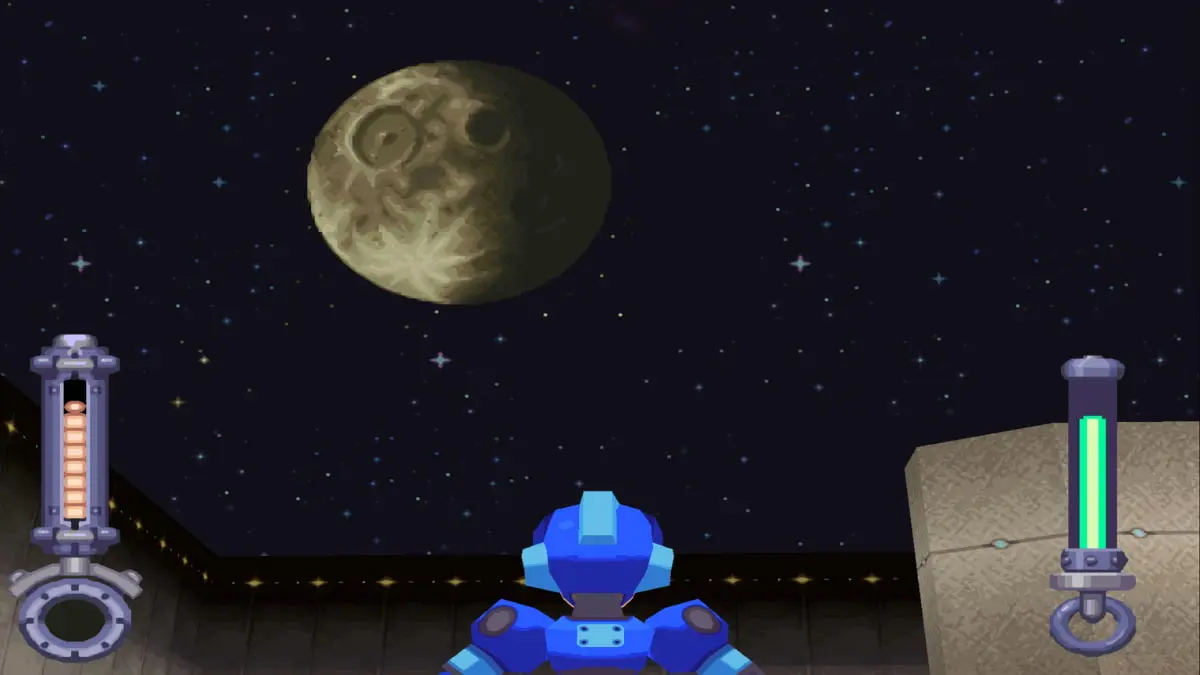
The sky here is a projection. That information did not make the situation less confusing.
- Find the Watcher, Sleeper, and Dreamer Keys
- Explore Sub-Gates and Sub-Cities after specific events
- Activate cutscenes and revisit locations to advance the story
- Navigate Kattelox with no modern objective markers
- Talk to Data repeatedly and hope he suddenly becomes more specific
Mega Man Legends deserved more, but it also kept me in a permanent state of confusion. I spent hours talking to Data and running between familiar doors, hoping the correct trigger would reveal itself. For the longest time, I did not realize that activating the Sub-Cities opened the route that eventually moved the story toward Bruno.
The confusion created a lot of backtracking, but it also made Kattelox feel real. I discovered things almost by accident. The island did not feel like a checklist built for me. It felt like a place that existed whether I understood it or not.
4. Resident Evil 3 Water Sample Puzzle
Resident Evil 3 eventually placed three waveforms in front of me and expected me to understand what clean water looked like in audio-editing software. Nemesis already had me stressed. This felt personal.
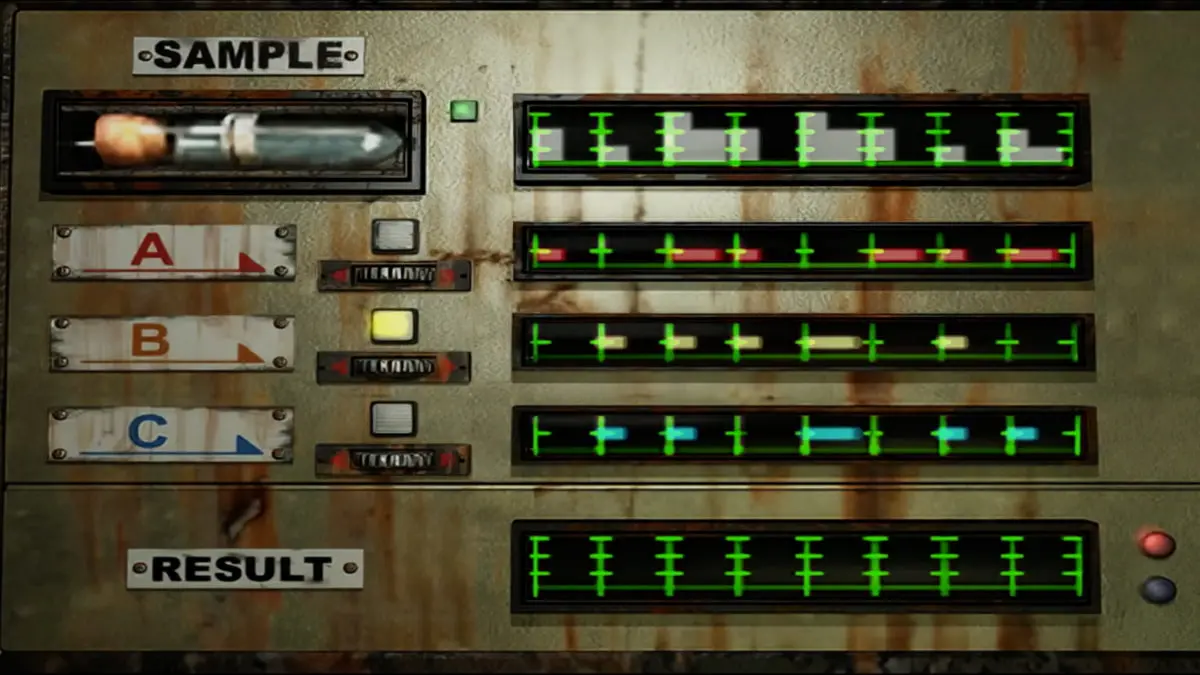
I did not even want to bother, honestly.
- Adjust three waveform channels labeled A, B, and C
- Match the combined result to the sample at the top
- Work through an interface that resembled mixing software
- Rely on trial and error when the logic refused to click
- Remember that Nemesis still existed outside this menu
I paused the game and stared at the screen, hoping the solution would reveal itself out of pity. It never did. The waveforms made no sense, and I kept wondering why a zombie game had assigned me sound engineering homework.
Between the tank controls, fixed camera angles, and constant threat of Nemesis, I had already reached my stress limit. Discovering that other players still complain about this puzzle made me feel much better about the amount of my childhood it consumed.
5. Tomb Raider and the Cistern
The Cistern was a multi-level maze filled with water controls, repeated stone textures, distant switches, and platforming that punished tiny mistakes. It felt like I spent an entire summer vacation inside it.
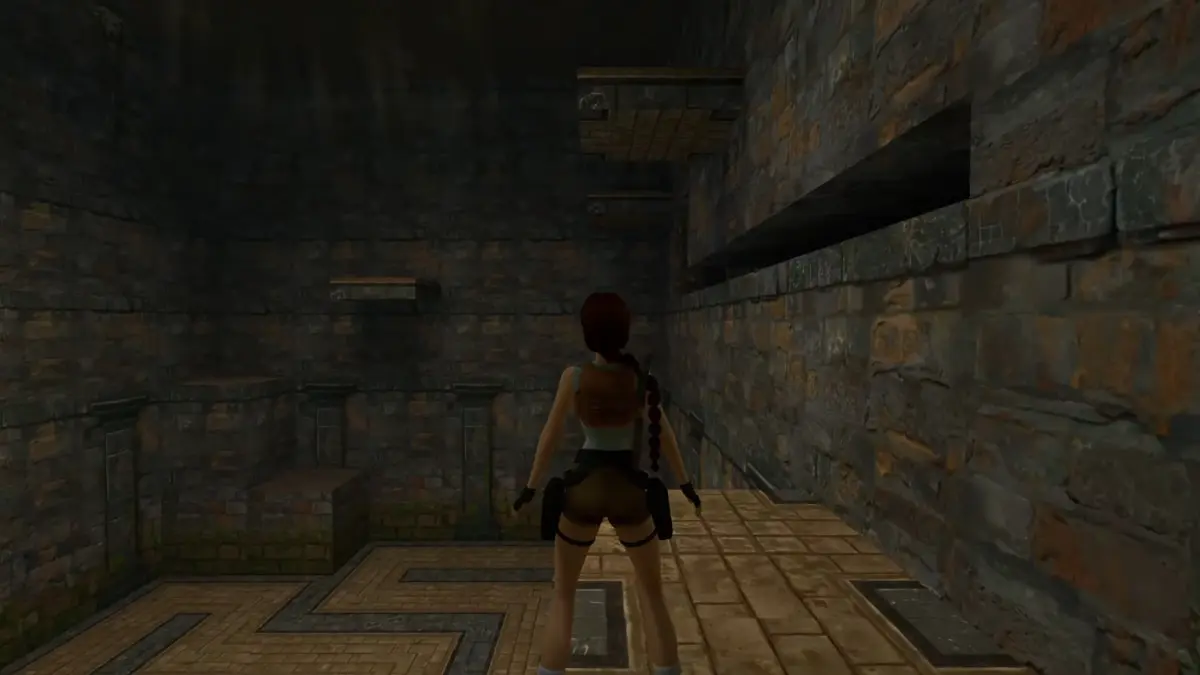
I hated this place.
- Multi-level rooms connected through a 3D maze
- Water levels that changed the available routes
- Repeated textures that made every wall look familiar
- Switches that affected distant rooms
- Platforming that sent one small mistake directly to the floor
Tomb Raider was never famous for forgiving controls. Lara moved with purpose, provided that you had correctly measured the purpose in advance. The Cistern pushed that system to its limit while asking me to remember which rooms changed after each switch.
Every lever sounded as though it had shifted an entire mountain somewhere else. Childhood me rarely knew what had actually changed. I climbed the same ledges repeatedly, convinced the answer would eventually appear through persistence alone.
6. Legend of Legaia and the Guessing Game
Legend of Legaia turned every battle command into a tiny fighting-game input. New Arts came from entering the correct directional sequence, which meant I spent a lot of time guessing and pretending the results were intentional.
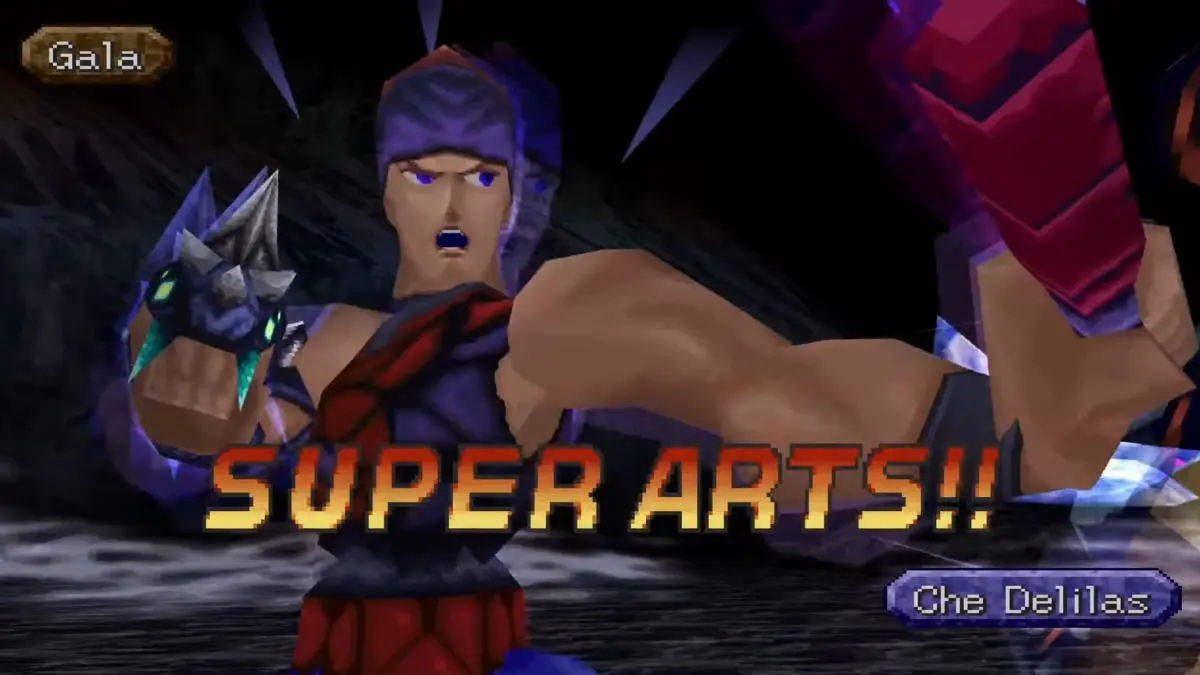
What buttons do I hit again?
- Arts built from specific High, Low, Left, and Right inputs
- New combinations discovered through experimentation
- Spirit used to defend and prepare for stronger turns
- Action Points required for higher-tier Arts
- Input strings that felt like secret cheat codes
I entered random combinations and waited for the “New Art” message. When it appeared, I felt as though I had uncovered something forbidden. Most of the time, I had no idea how to repeat it.
The AP and Spirit systems were equally unclear to me. I assumed Spirit was a wasted resting turn instead of a useful defensive and resource-building choice. I still think Legaia has one of the coolest battle systems on the PS1. I simply spent my childhood using it incorrectly.
7. Vagrant Story and Its Combat System
Vagrant Story measured weapons, enemy types, affinities, durability, Phantom Points, Risk, buffs, and timing. I measured whether the damage number was larger than one. We approached the system at different academic levels.
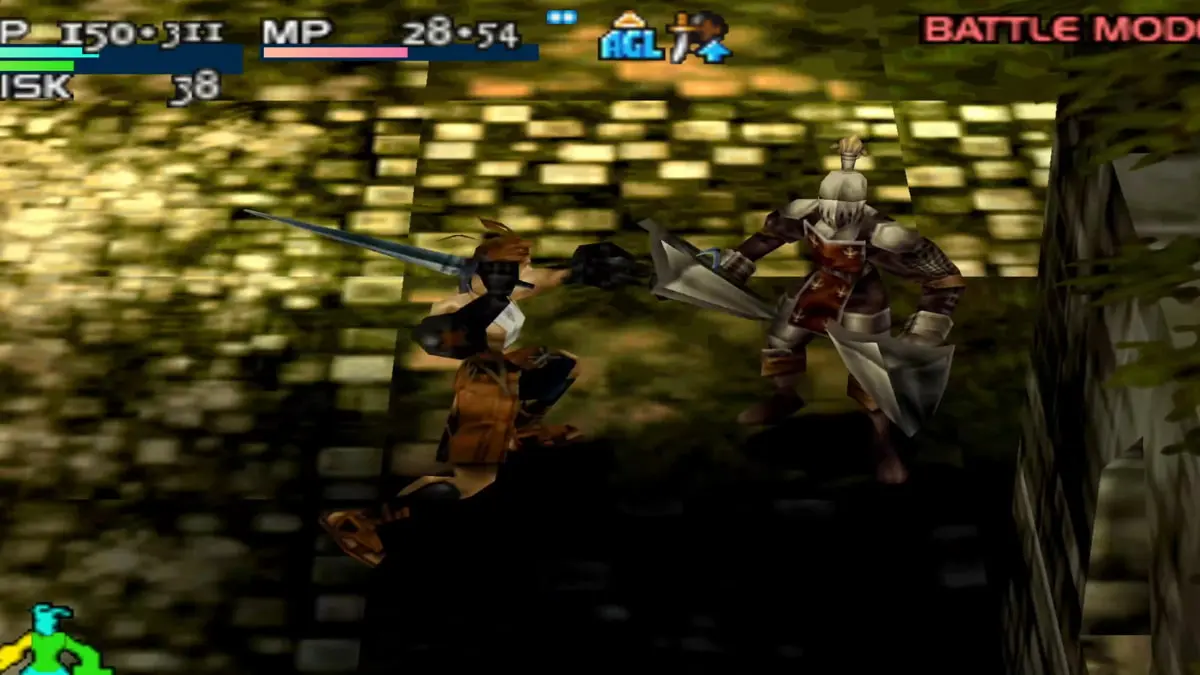
I should have brought a calculator, honestly.
- Weapon classes that performed differently against enemy types
- Affinities and stats affecting damage behind the scenes
- Durability and Phantom Points changing weapon performance
- Risk rising as attacks and chains continued
- Chain abilities demanding precise timing
Vagrant Story made me feel straight-up dumb, and I was a straight-A student. I attacked enemies and watched tiny damage numbers appear, completely unaware that the weapon in my hand was poorly suited to the target. I thought it was broken.
The chain system added another layer of panic. Perfect timing could create enormous combos. Miss the rhythm once and everything fell apart. I appreciate the depth now, but as a kid it felt like punishment for not owning a strategy guide.
8. Resident Evil and the Crest Puzzles
The Spencer Mansion was already terrifying before Resident Evil asked me to locate four crests scattered behind locked doors, keys, emblems, and enough backtracking to make every hallway feel personal.
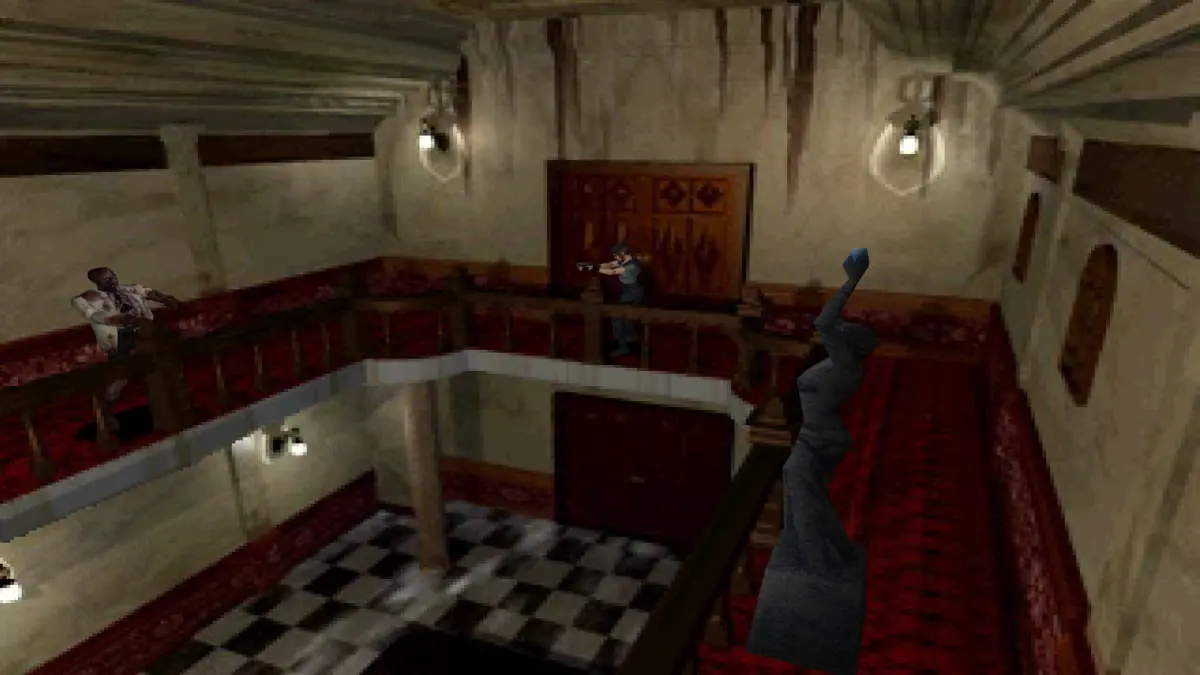
The mansion had the creepiest atmosphere imaginable.
- Four crests hidden across the mansion
- Keys and emblems opening routes far from where they were found
- Locked doors creating constant dead ends
- Fixed camera angles hiding useful items
- Limited inventory space turning every trip into a decision
I did not even know what a crest was. When I finally found one, the game provided no comforting objective marker pointing toward the other three. The mansion twisted back into itself, and every locked door felt like a direct response to my confidence.
The number of times I re-entered the wrong room should have counted as cardio. Between the item juggling, fixed camera angles, and limited ammunition, the whole mansion felt like a haunted puzzle box designed to punish curiosity.
9. Parasite Eve and the Mitochondria
Parasite Eve introduced me to mitochondria through spontaneous combustion, biological horror, weapon parts, and a battle system that lived somewhere between real-time action and turn-based RPG combat.
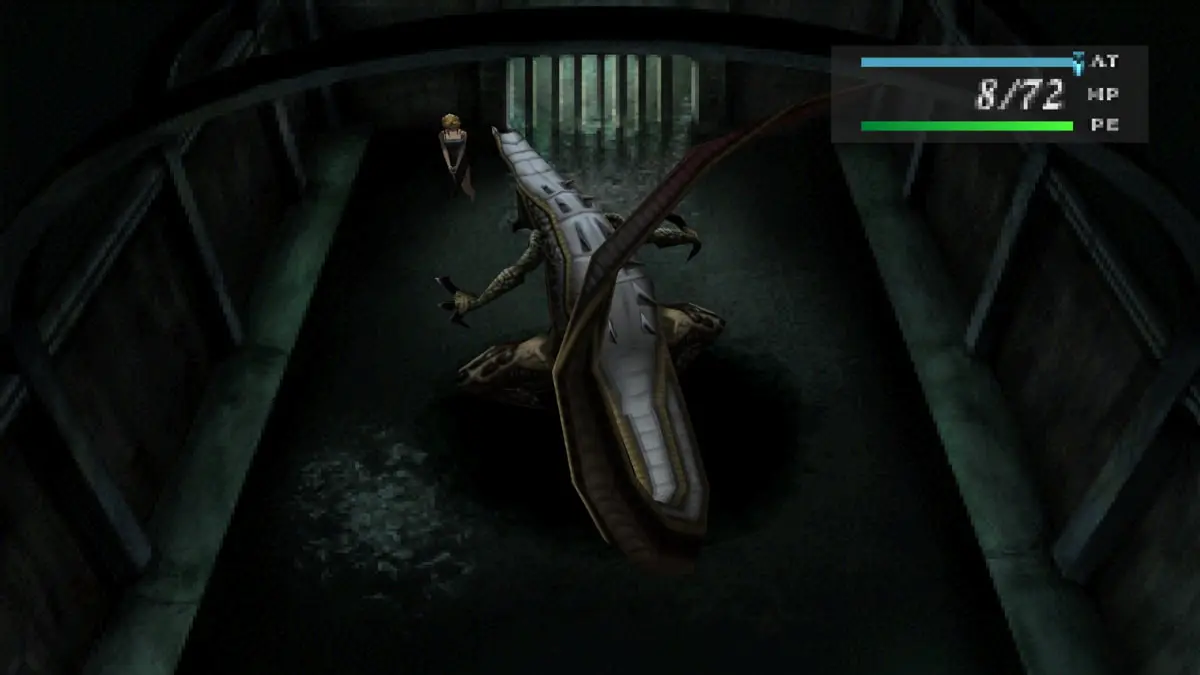
I did not like science growing up.
- Real-time movement combined with an Active Time Bar
- Parasite Energy abilities with unfamiliar names and effects
- Weapon customization built around parts, tools, and Bonus Points
- A story filled with biological terminology
- The 77-floor Chrysler Building waiting in EX Game mode
The story was incredible, but the moment characters began discussing mitochondrial takeovers, I felt as though I had opened a biology textbook by mistake. Combat looked real-time without behaving like a normal action game, so I never felt completely certain about what I was supposed to do.
Weapon upgrades made the situation worse. I moved bonuses around with tools and hoped the numbers were improving. Then came the Chrysler Building, a 77-floor optional dungeon with randomized layouts and very little comfort. Parasite Eve is one of the PS1’s most memorable games. Childhood me needed a science degree to survive it.
10. Silent Hill Radio Static
Silent Hill scared me because I did not understand what was happening. The radio static grew louder near monsters, the world changed around me, and important objects seemed perfectly willing to blend into the scenery.
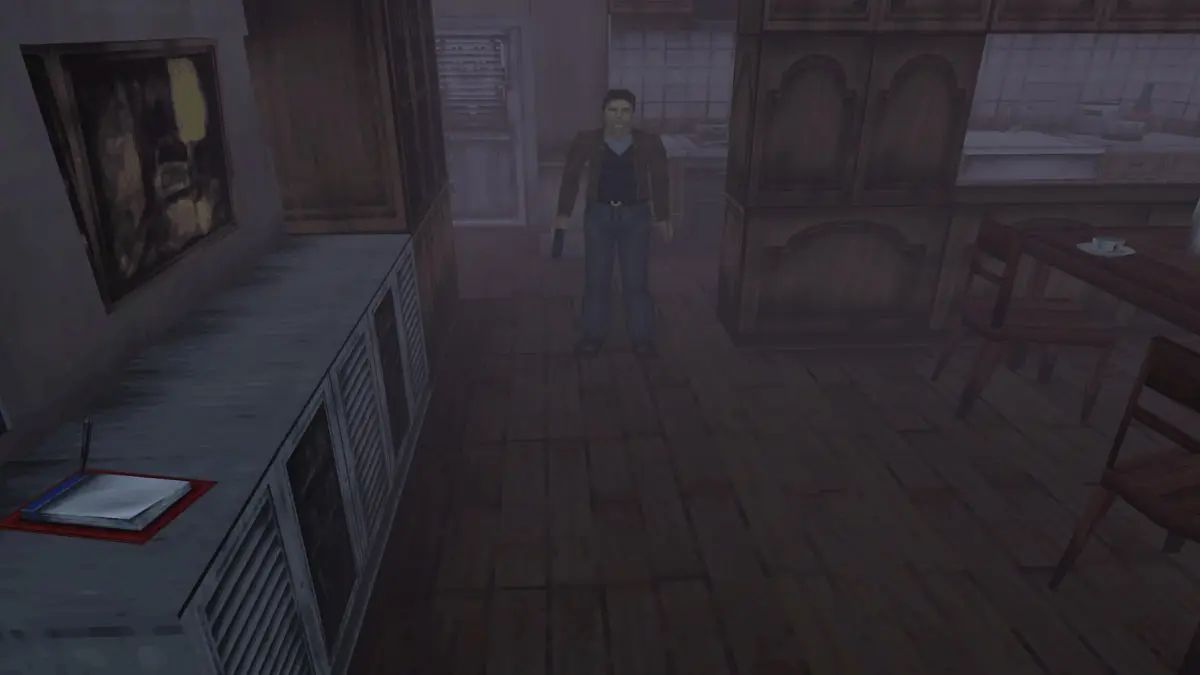
I thought I heard voices through the static.
- Radio static increasing as enemies moved closer
- Environmental puzzles built around abstract clues
- Otherworld transitions that changed familiar locations
- Key items that blended into dark backgrounds
- Maps that still expected the player to pay attention
Younger me did not immediately understand the radio. I thought the television was breaking. The puzzles were even worse, especially the piano puzzle in the school. I kept paper beside me and worked on it like a piece of deranged homework.
The Otherworld transitions completed the panic. One moment I stood in a normal hallway. The next, everything was rusted metal, peeling walls, and darkness. Silent Hill did not merely make me feel lost. It made me question whether the game itself had broken reality.
Why Getting Stuck on the PS1 Became a Rite of Passage
Getting stuck on the PS1 forced us to experiment. We retraced our steps, filled notebooks, asked friends, tested rumors, and occasionally left the console running overnight because reaching that save point again sounded worse than the electric bill.
The games were not always fair, and their explanations were not always good. Still, the lack of immediate answers made every breakthrough feel personal. Solving a puzzle without help created the kind of memory that stayed long after the details disappeared.
If you want another reason to return, these PS1 hidden gems include several games that still reward curiosity. PlayStation also maintains an official history of the original console for anyone ready to make the passage of time feel unusually aggressive.
Your turn: Which PS1 puzzle, mechanic, or location kept you stuck as a kid? I may need the evidence for Part 2.